The Snug
Articles
Tasting · 2 min read
What Age Really Does to Whisky
Why older isn't automatically better, and how the cask and the climate decide when a whisky is at its best.
Listen to this article
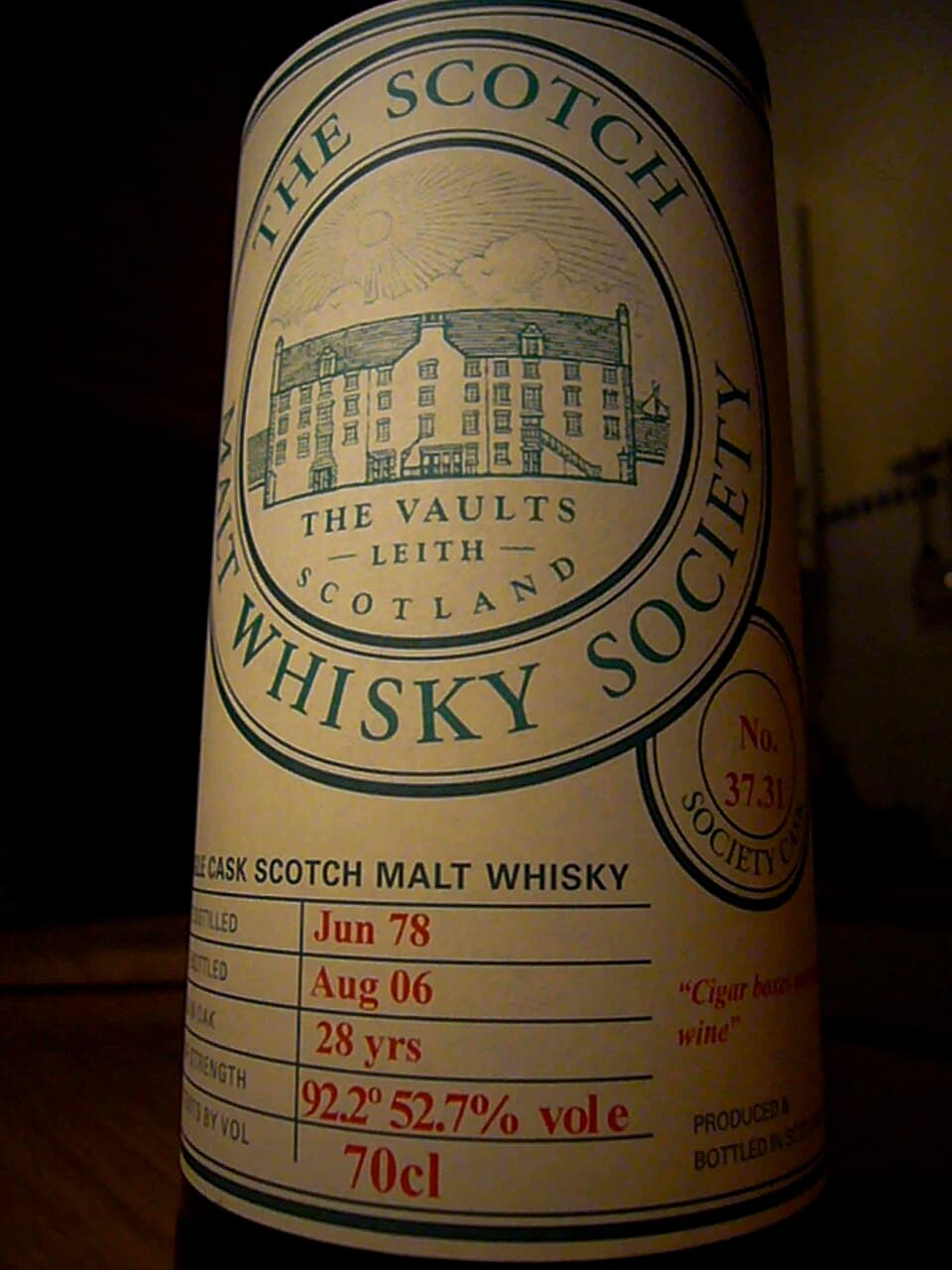
Whisky ages in the cask and stops when it's bottled, and in the cask it's a trade. The spirit loses its rough edges and picks up vanilla, spice and colour from the wood. It also loses volume, and given long enough it can end up tasting of little but oak. Most whiskies reach a point where the trade stops paying off, and where that point falls depends mostly on the cask.
A first-fill sherry butt is large and active, and a heavy spirit can sit in one for 18 or 25 years and still taste of fruit. Refill casks, already used once or twice for Scotch, give much less, which is why many of the best very old whiskies come out of tired refill hogsheads. A first-fill bourbon barrel is smaller and works faster, and a delicate spirit can turn dry and woody in one well before its twentieth birthday.
Climate changes the speed. In Scotland's cool warehouses about 2 percent of the cask evaporates each year, the angel's share. Kentucky summers push that up, and in Taiwan or southern India losses can pass 10 percent a year. That's why Kavalan and Amrut mostly bottle young, often with no age at all, and still taste mature. A 20 year old from a hot climate would be mostly wood, and there wouldn't be much of it left.
Vintage and age tell you different things. A vintage gives the year of distillation, and Scotch rules require the bottling year or age alongside it. Vintage releases tend to be a single batch or cask, so two bottlings of the same age from different years can taste quite different. A standard 12 year old from a big brand is a recipe instead, blended to taste the same every year.
Leaving the number off can work well. Aberlour A'bunadh (around £75) is bottled in numbered batches at cask strength from oloroso sherry butts, and Ardbeg Uigeadail (about £65) has been made for over twenty years. Both beat plenty of older whiskies at the same price.
To find your own sweet spot, taste one distillery at several ages. Glenfarclas makes it easy: the 10, 15 and 25 share the same sherry-led house style, at roughly £40, £55 and well over £100. Plenty of people find the 15 gives them most of what the 25 does, for a lot less money.
In The Snug
More to read
Tasting · 2 min read
How to Taste Whisky
A few simple habits that get more out of every glass, with no special kit beyond a little water.
Tasting · 2 min read
Reading Between the Lines of a Whisky Label
What a label leaves out, and the impressive words on it that have no legal meaning at all.
Tasting · 2 min read
To Add Water or Not
When a few drops of water help a whisky, when they don't, and what the chemistry suggests.
Keep going in The Snug
Read it, then pour it.
The Snug in the Dramour app has every article read aloud, the Between Drams podcast and recipes from your shelf, and picks up where you left off. Ask Dramcierge for a bottle to taste what you've just read about.