The Snug
Articles
Tasting · 2 min read
To Add Water or Not
When a few drops of water help a whisky, when they don't, and what the chemistry suggests.
Listen to this article
People argue about water in whisky more than almost anything else, and the honest answer is that it depends mostly on strength. At 40 percent there's often little to gain. At cask strength, somewhere in the 50s or low 60s, a few drops can change a whisky a lot.
High alcohol gets in the way in two ways. It burns, which makes flavours hard to pick out, and it dulls your nose. Bring a 58 percent whisky down a few points and the heat backs off, so the fruit and wood behind it are easier to find. Most whisky has already had water added before bottling to bring it down to strength, so adding a little more at home is hardly sacrilege.
There's some chemistry behind it too. In 2017 two researchers at Linnaeus University in Sweden, Björn Karlsson and Ran Friedman, used computer simulations to see how guaiacol, one of the compounds behind smoky and spicy flavours, behaves in mixtures of water and ethanol. Up to about 45 percent alcohol it tended to gather at the surface of the liquid, where it can reach your nose. At 59 percent and above it was mostly held down in the body of the liquid. It was a model rather than a tasting panel, but it fits what plenty of drinkers notice, which is that a splash of water can make a peated whisky smell smokier.
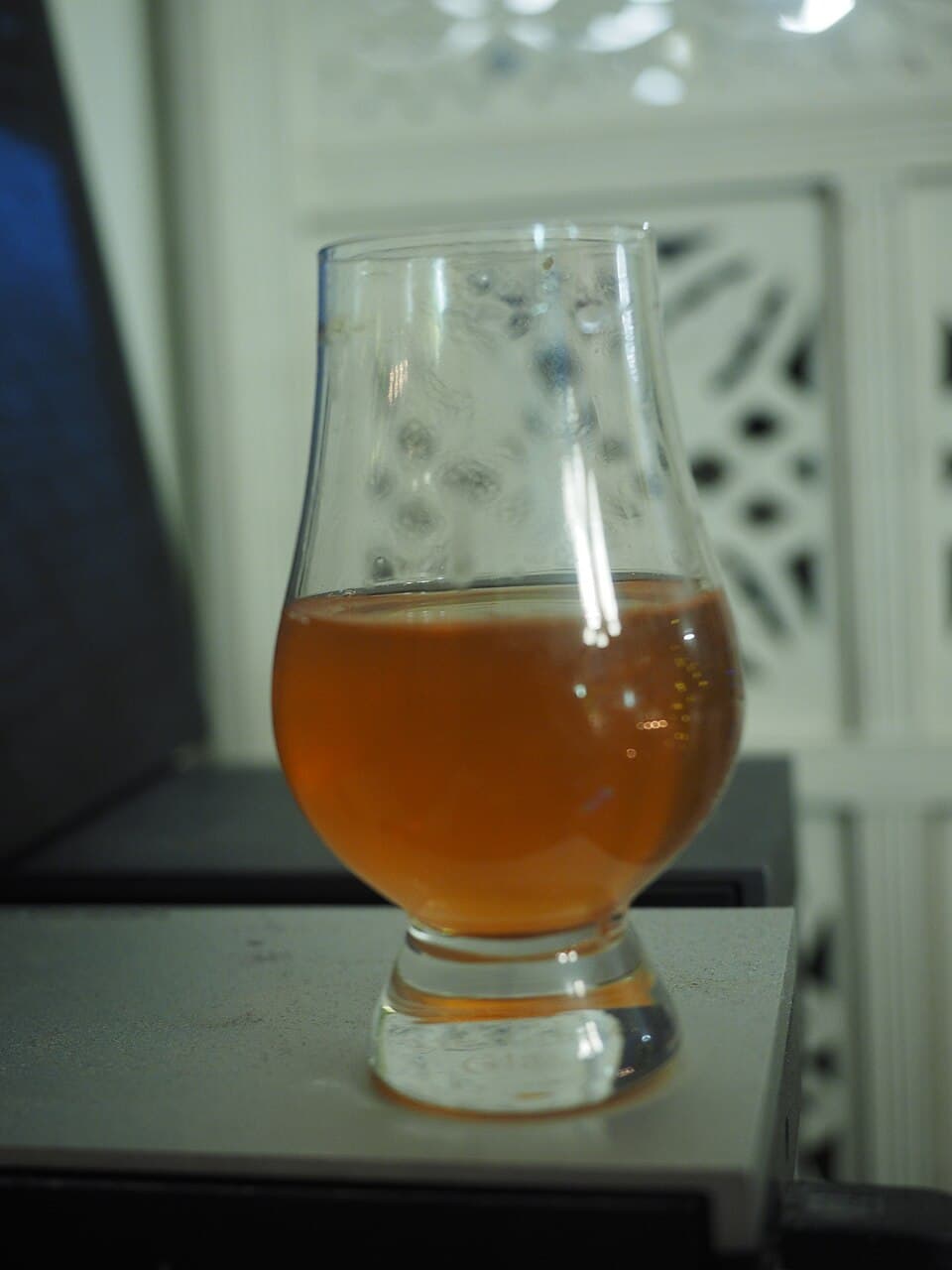
Taste it neat first, then add water a few drops at a time with a teaspoon, a straw or a pipette, and nose it again after each. You can always add more and you can't take it back out. Use still water at room temperature or a little cooler. Tap water is fine if yours is soft, and a plain bottled still water works if it isn't. Sparkling water changes the texture. Ice chills the whisky and mutes the aroma, which is fine in a highball and less so when you're trying to taste.
With standard-strength bottles, water is personal. A drop can wake up a whisky that seems closed, but take it much below the mid 30s and the texture goes thin. To see the effect clearly, pour two small measures of a cask-strength whisky such as Glenfarclas 105 (around £60, bottled at 60 percent), add water to just one, and taste them side by side.
In The Snug
More to read

Tasting · 2 min read
How to Taste Whisky
A few simple habits that get more out of every glass, with no special kit beyond a little water.
Tasting · 2 min read
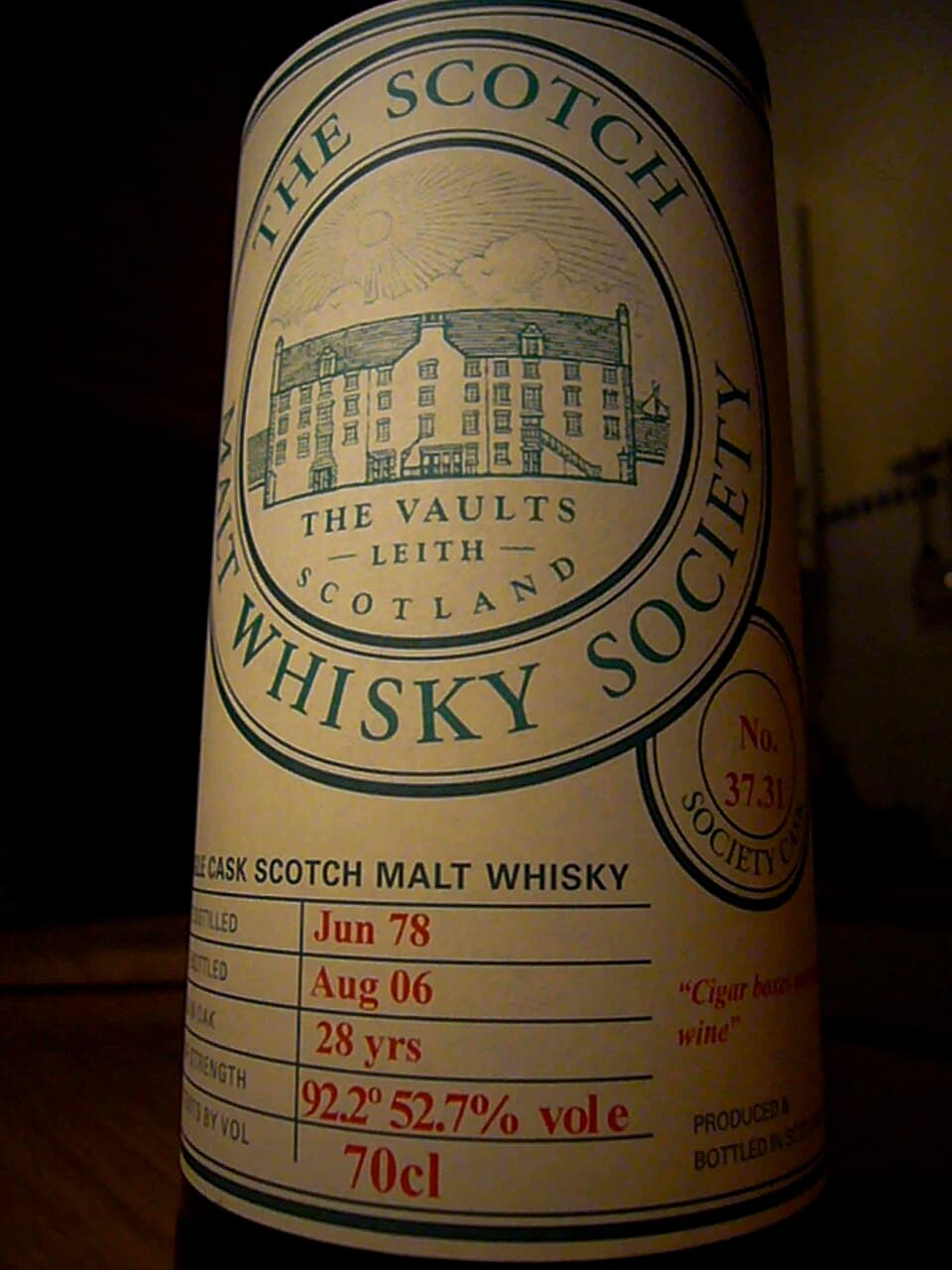
What Age Really Does to Whisky
Why older isn't automatically better, and how the cask and the climate decide when a whisky is at its best.
Tasting · 2 min read
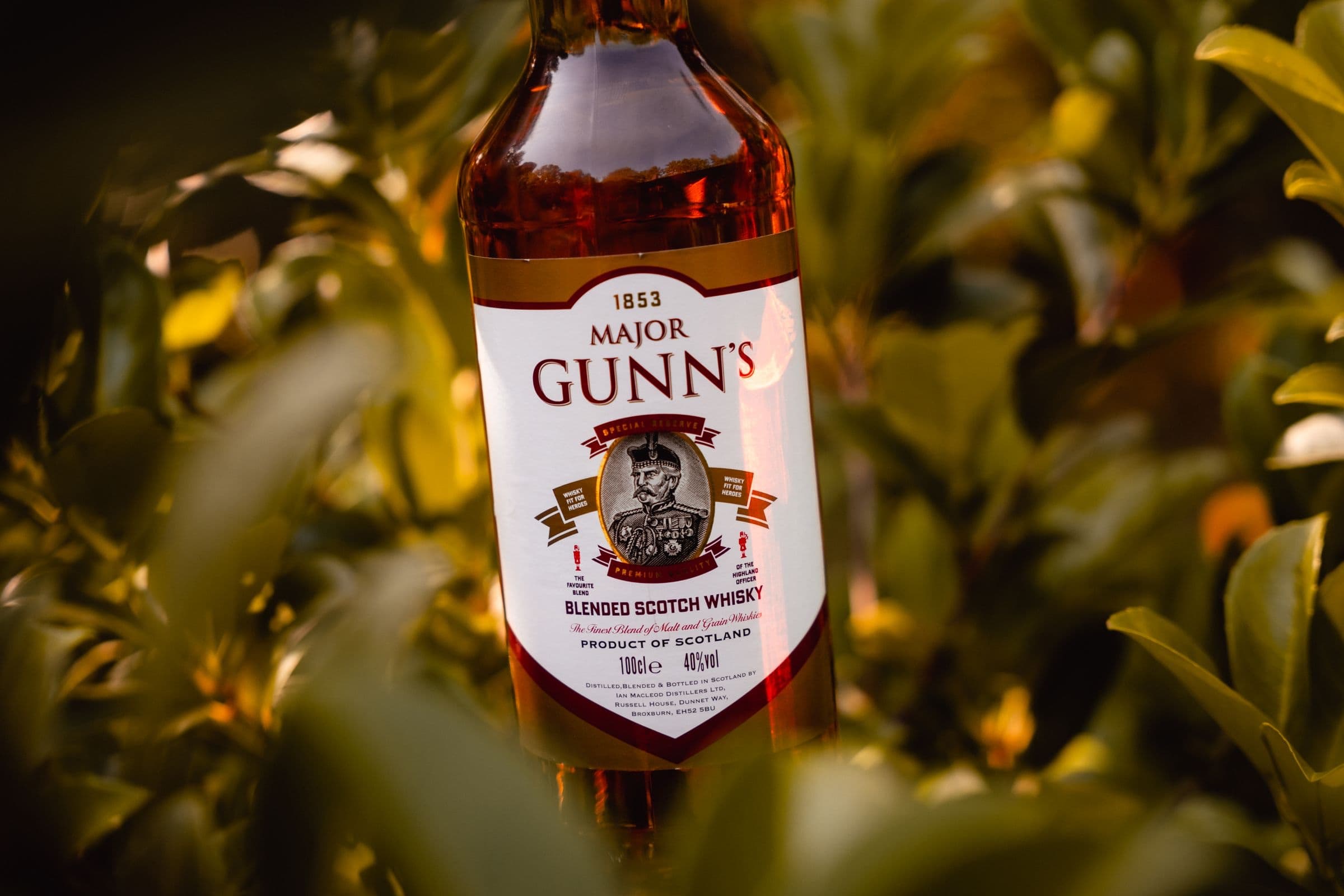
Reading Between the Lines of a Whisky Label
What a label leaves out, and the impressive words on it that have no legal meaning at all.
Keep going in The Snug
Read it, then pour it.
The Snug in the Dramour app has every article read aloud, the Between Drams podcast and recipes from your shelf, and picks up where you left off. Ask Dramcierge for a bottle to taste what you've just read about.