The Snug
Articles
Tasting · 2 min read
Reading Between the Lines of a Whisky Label
What a label leaves out, and the impressive words on it that have no legal meaning at all.
Listen to this article
Once you know what the words on a label mean, the next skill is noticing what isn't there. Producers are allowed to leave a lot out, and the gaps tend to follow a pattern.
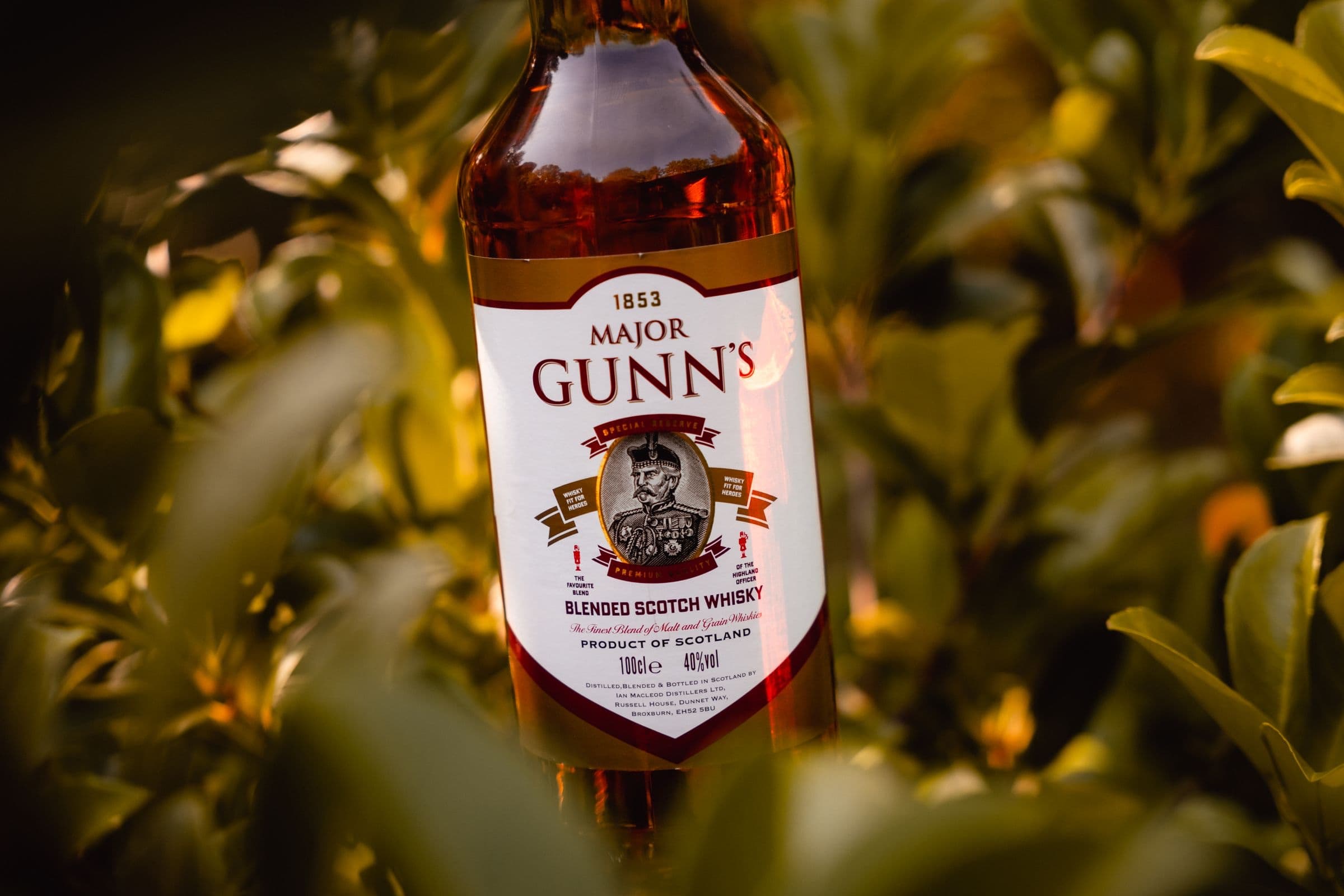
Start with strength. A bottle at exactly 40 percent is sitting on the legal minimum. That's normal for big brands and no reason to avoid it, but it usually means the whisky has been watered down as far as the rules allow and is very likely chill-filtered. Chill filtering means cooling the whisky and filtering it so it won't turn cloudy in the cold or when you add water, and it removes some of the fatty compounds that give texture. Many producers who skip it bottle at 46 percent or above, where haze is less of a problem, and print non chill-filtered on the label because they want the credit.
Then colour. Scotch is allowed to contain plain caramel colouring, known as E150a, and in the UK the label doesn't have to mention it. Germany and Denmark do require it to be declared, so if your bottle carries the German words mit Farbstoff, colouring was used. If a label says nothing either way, assume it might be coloured.
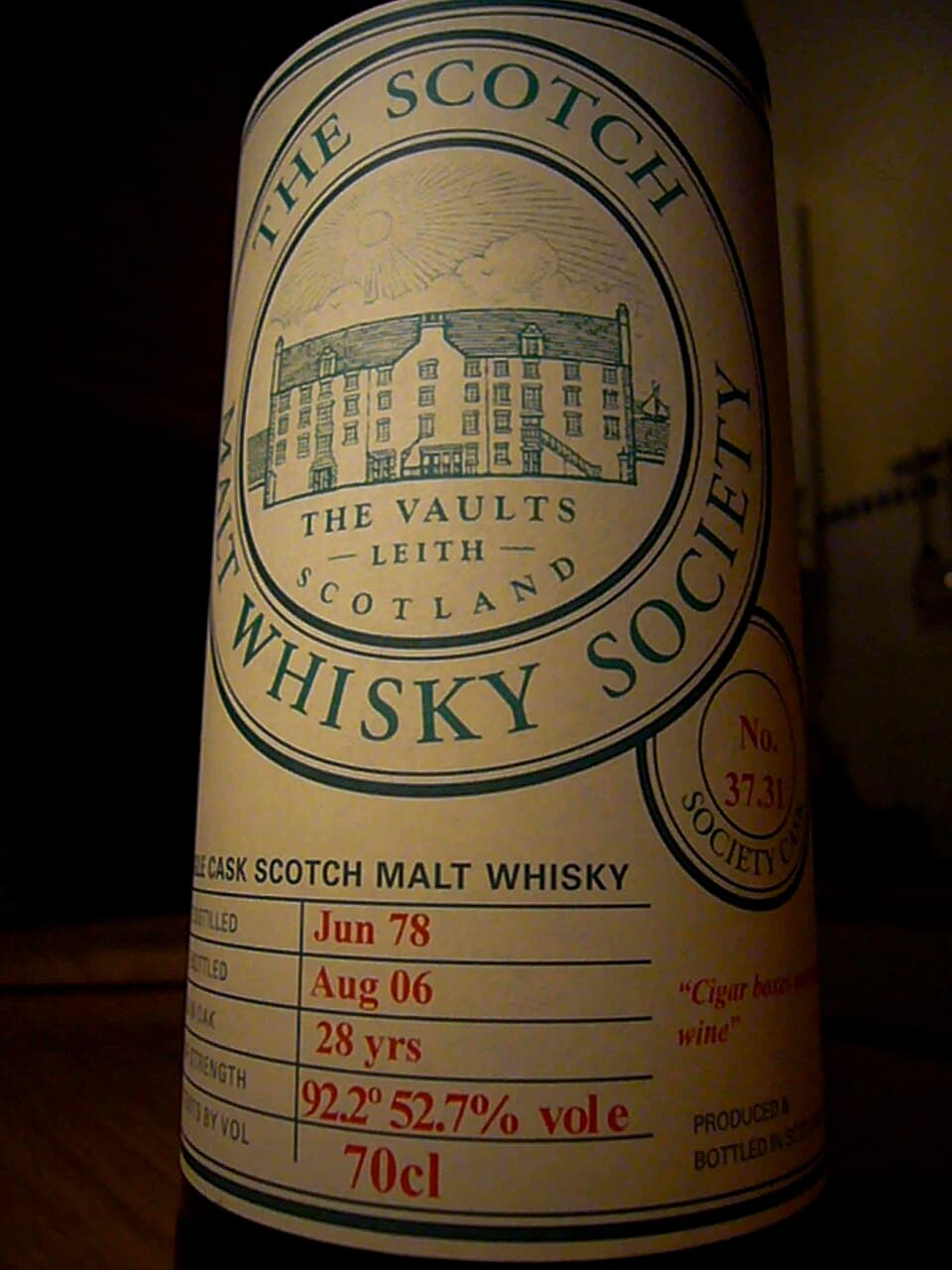
Age and wood leave gaps too. No age statement often, though not always, means there's young whisky in the mix, since any number would have to reflect the youngest part. Finished in a port or wine cask can mean anything from a few months to a couple of years in that second cask, and the label rarely says which. An independent bottling that names a region but no distillery usually means the distiller sold the cask on condition its name stayed off.
Finally, the marketing words. Reserve, rare, select, small batch and handcrafted have no definition in the Scotch rules, and they turn up on brilliant whiskies and dull ones alike. Pure malt was once common and is now banned in favour of blended malt. Read the words the law controls and treat the rest as decoration.
For a side-by-side test, compare Aberlour 12 Double Cask at around £40 with Aberlour A'bunadh at about £75. The 12 is 40 percent and says little about how it was made. The A'bunadh has no age but is bottled at cask strength, with a batch number, and tells you it's non chill-filtered with natural colour.
In The Snug
More to read
Tasting · 2 min read
How to Taste Whisky
A few simple habits that get more out of every glass, with no special kit beyond a little water.
Tasting · 2 min read
What Age Really Does to Whisky
Why older isn't automatically better, and how the cask and the climate decide when a whisky is at its best.
Tasting · 2 min read
To Add Water or Not
When a few drops of water help a whisky, when they don't, and what the chemistry suggests.
Keep going in The Snug
Read it, then pour it.
The Snug in the Dramour app has every article read aloud, the Between Drams podcast and recipes from your shelf, and picks up where you left off. Ask Dramcierge for a bottle to taste what you've just read about.