The Snug
Articles
Craft · 2 min read
Water: What It Really Does in Whisky
Every distillery talks up its spring. Here's where water genuinely counts and where it's mostly a good story.
Listen to this article
Distilleries love talking about their water. Glenlivet has Josie's Well, Glenmorangie has the Tarlogie Springs, and the Islay distilleries draw brown, peaty water from lochs and burns. It makes a good story on a tour, and there's some truth in it, but water does less to the taste of a finished whisky than the marketing suggests.
Water does three jobs in a distillery. The first is mashing, where hot water goes over ground malt to dissolve the sugars. Minerals play a part in the chemistry here, as in brewing, and most Scottish distilleries use soft water that has run off granite or peat. Glenmorangie is the well known exception, with hard, mineral-rich water, and it still makes one of the lightest spirits in Scotland. That says a lot about how much else is going on.
The second job uses the most water by far. Condensers need a steady flow of cold water to turn vapour back into liquid. That's partly why distilleries traditionally stopped for a few weeks in late summer, the silent season, when burns ran low and warm.
Peaty water sounds as if it should add smoke, but whatever it picks up is tiny next to the smoke from peat-dried malt. Bruichladdich's Classic Laddie is made on Islay, with Islay water, and tastes of barley and honey rather than smoke.
The third job is bringing the strength down. Spirit usually goes into cask at around 63.5 percent, and most whisky is bottled between 40 and 46, so a lot of water goes in at the end. Scotch law allows nothing else to be added apart from plain caramel colouring. The water used here is normally demineralised, because minerals can cause haze, which means the famous spring often plays no part in this step. Cask-strength bottlings skip it entirely.
Where water really matters is the reason a distillery was built where it is: a clean, reliable supply was the first thing anyone needed. To taste what reduction does, try Laphroaig 10 next to Laphroaig 10 Cask Strength and notice how much of the difference comes down to strength alone.
In The Snug
More to read
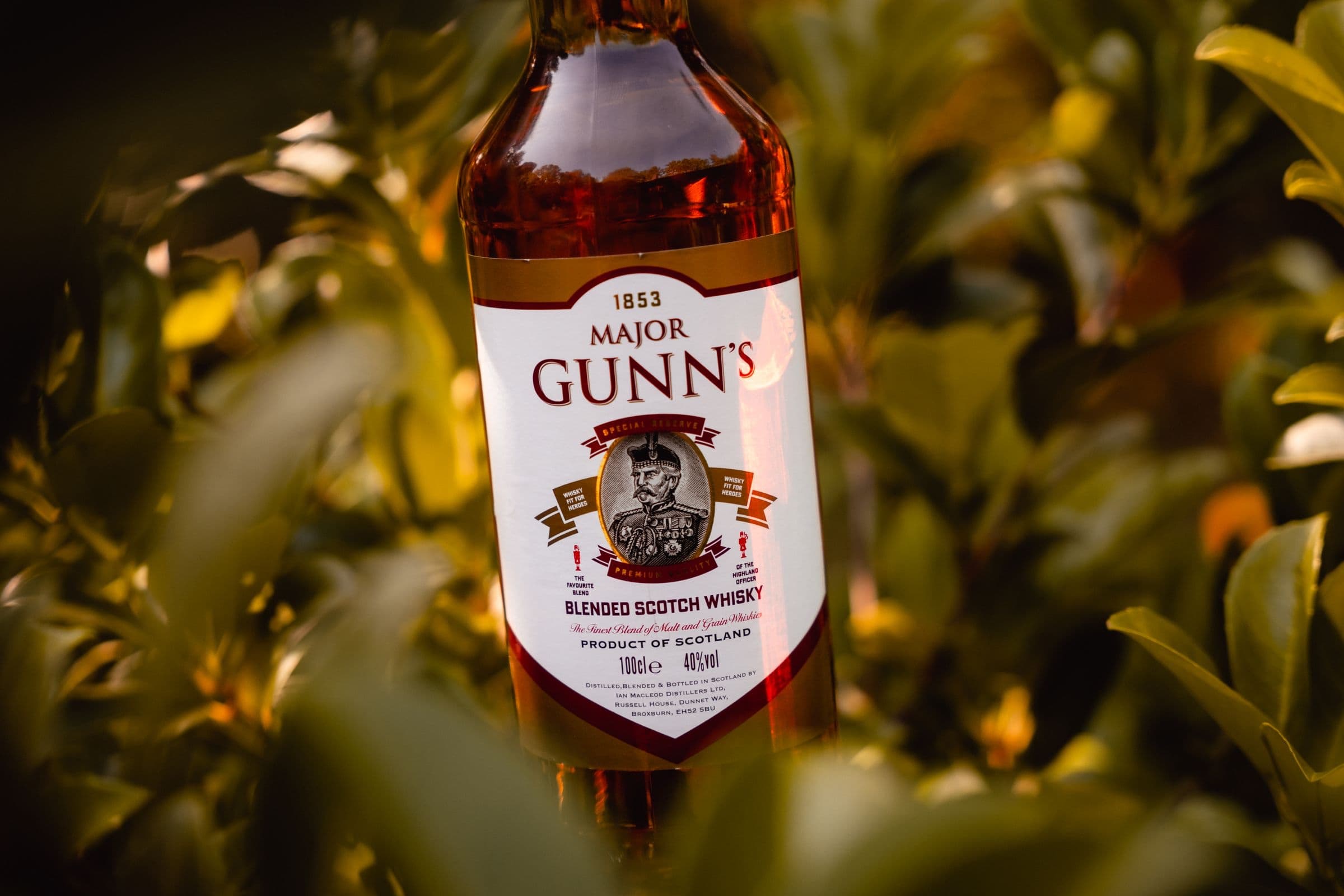
Craft · 2 min read
How to Read a Whisky Label
What each line on a Scotch label means, which ones the law requires, and which are optional extras.
Craft · 2 min read
Understanding Age Statements
What the number on a Scotch label legally means, and what it means when there isn't one.
Craft · 2 min read
Cask Types and Their Influence
Ex-bourbon, sherry, port and virgin oak: what each kind of cask does to the spirit inside it.
Keep going in The Snug
Read it, then pour it.
The Snug in the Dramour app has every article read aloud, the Between Drams podcast and recipes from your shelf, and picks up where you left off. Ask Dramcierge for a bottle to taste what you've just read about.