The Snug
Articles
Craft · 2 min read
How to Read a Whisky Label
What each line on a Scotch label means, which ones the law requires, and which are optional extras.
Listen to this article
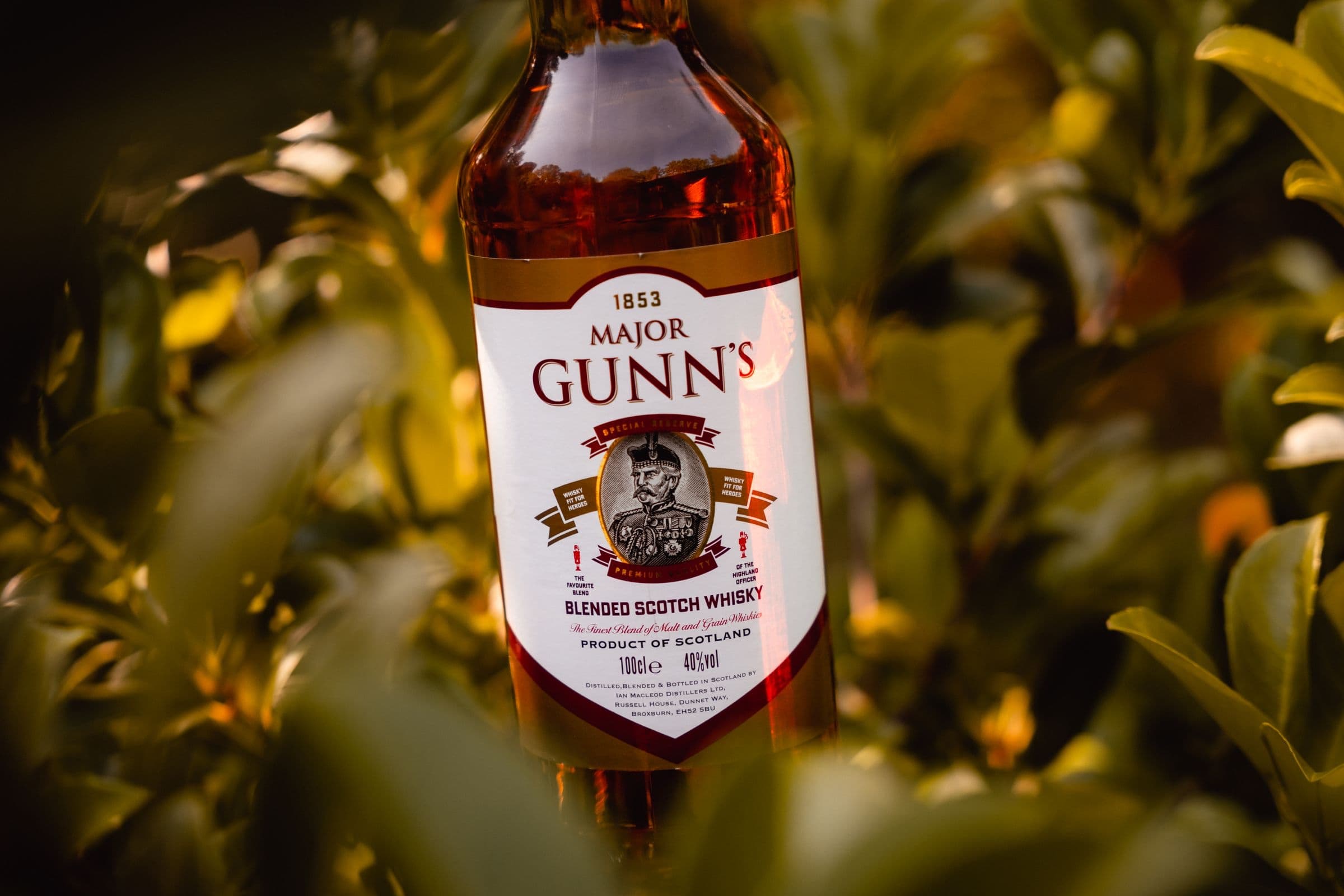
Scotch labels are governed by the Scotch Whisky Regulations 2009, so the key words mean the same thing whatever brand is on the bottle. Some lines are required by law and some are optional. Once you know which is which, a label takes about ten seconds to read.
Start with the category. Every bottle has to say which of five types it is. Single malt Scotch whisky is made from malted barley in pot stills at one distillery. Single grain also comes from one distillery but can include other cereals such as wheat or maize, usually from a column still. Blended malt mixes single malts from more than one distillery, blended grain does the same with grain whisky, and blended Scotch whisky mixes malt and grain. Since 2012 single malt Scotch has also had to be bottled in Scotland.
Next is strength. The alcohol by volume, or ABV, must be on the label, and Scotch can't be sold below 40 percent. Most everyday bottlings sit between 40 and 46. Cask strength means the whisky went into the bottle without being watered down, which usually puts it somewhere in the 50s or low 60s.
An age is optional, but if there is one it refers to the youngest whisky in the bottle, and it has to be given in years. A vintage is the year the whisky was distilled. The rules say it must sit alongside either the bottling year or an age, so you can always work out how long it spent in wood.
Cask details are optional too. Matured in ex-bourbon or sherry casks tells you the wood it spent most of its life in, while finished in means it moved to a second cask for a shorter spell at the end. A distillery's own release is called an official bottling. An independent bottler buys casks and sells them under its own name, usually with a line such as distilled at Caol Ila, bottled by Signatory. Phrases like non chill-filtered and natural colour are the producer volunteering extra information.
Try it on two bottles. Glenfiddich 12, around £35, says single malt, 40 percent, 12 years old, and nothing about colour or filtering. Kilchoman Machir Bay, about £45, has no age but tells you it's 46 percent, non chill-filtered and naturally coloured. Reading the two side by side shows you quickly which details a producer chose to share.
In The Snug
More to read
Craft · 2 min read
Understanding Age Statements
What the number on a Scotch label legally means, and what it means when there isn't one.
Craft · 2 min read
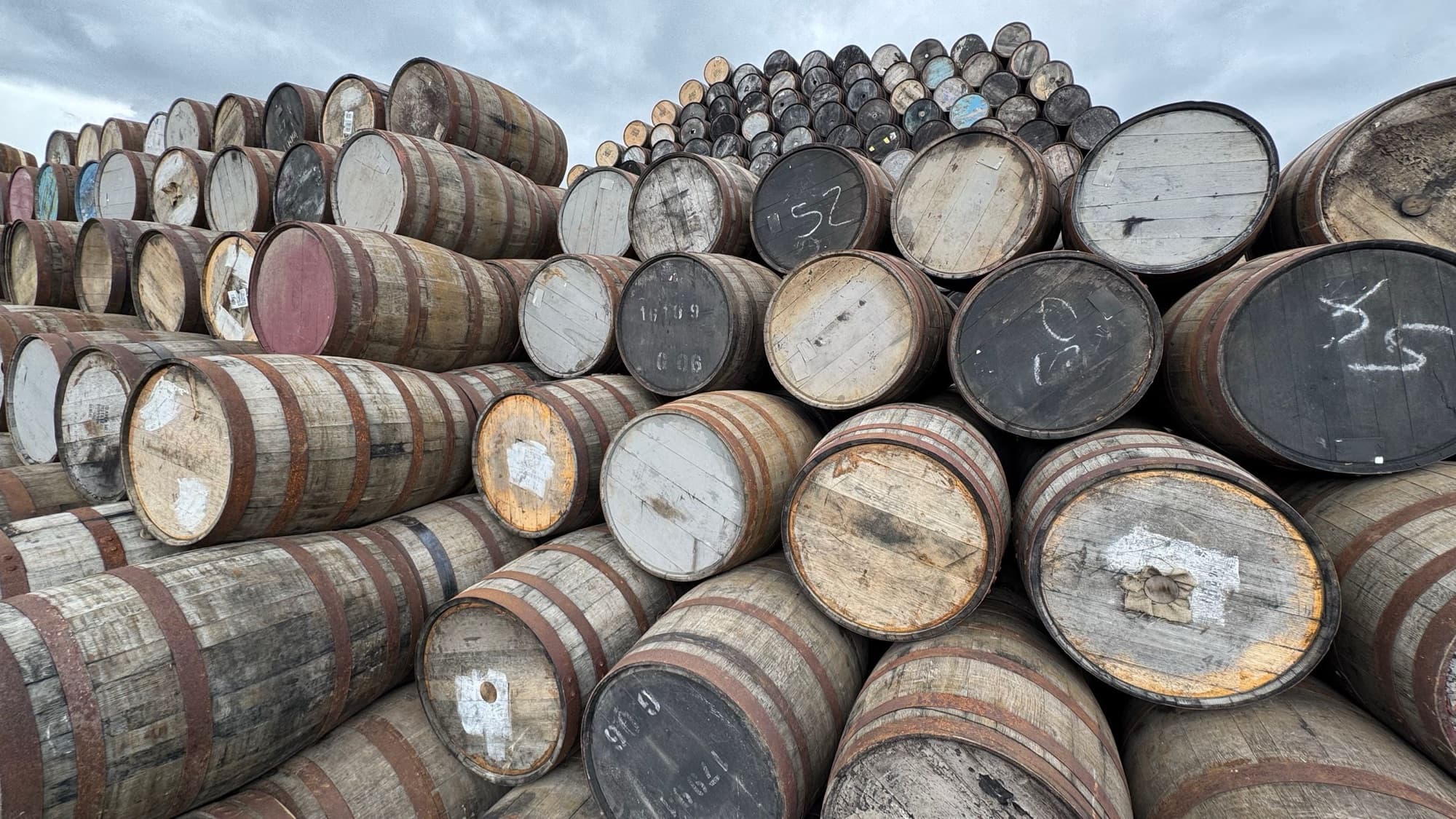
Cask Types and Their Influence
Ex-bourbon, sherry, port and virgin oak: what each kind of cask does to the spirit inside it.
Craft · 2 min read
What SMWS Cask Codes Mean
How to read a Scotch Malt Whisky Society bottle code, and what the colour on the label tells you.
Keep going in The Snug
Read it, then pour it.
The Snug in the Dramour app has every article read aloud, the Between Drams podcast and recipes from your shelf, and picks up where you left off. Ask Dramcierge for a bottle to taste what you've just read about.