The Snug
Articles
Craft · 2 min read
Cask Types and Their Influence
Ex-bourbon, sherry, port and virgin oak: what each kind of cask does to the spirit inside it.
Listen to this article
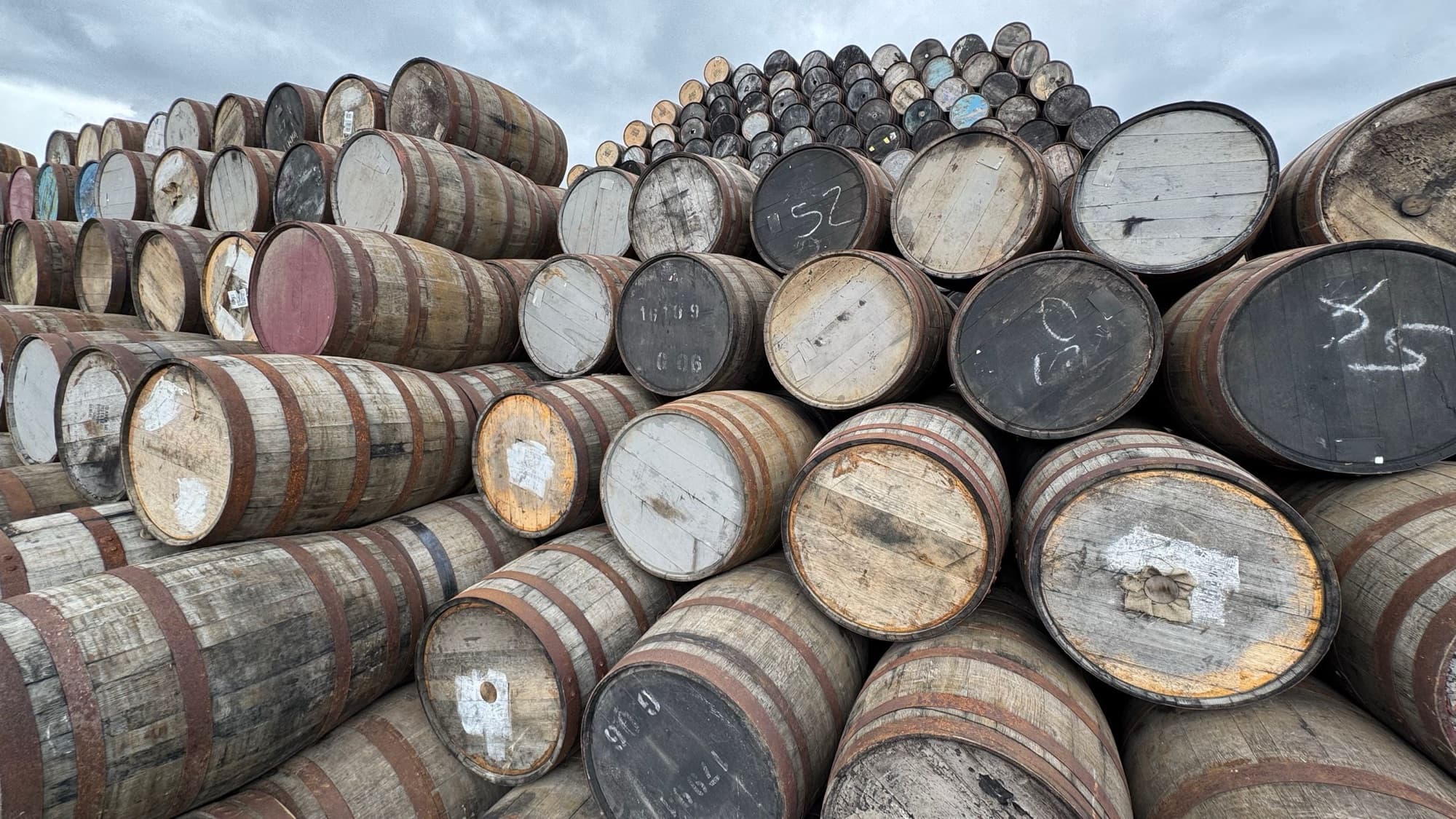
Spirit comes off the still clear and fierce, and nearly all of its colour comes from the cask. You'll often hear that the wood gives 60 or 70 percent of the flavour too. Nobody has properly measured that, so treat it as a rule of thumb, but what the cask held before is one of the biggest choices a distillery makes.
Ex-bourbon barrels are the workhorse. American law says bourbon has to go into new charred oak, so once a barrel is emptied it can't be reused for bourbon, and huge numbers are sold on to Scotland. They give vanilla, coconut and honey while leaving room for the distillery's own character. Glenmorangie Original, around £40, shows what plain bourbon wood does.
Sherry casks cost several times as much and the effect is far more obvious. Oloroso brings dried fruit, walnut and the Christmas cake note people know from Macallan and GlenDronach. Pedro Ximénez is much sweeter and leaves raisin and treacle. Most sherry casks today are seasoned to order: a cooperage builds the cask, a bodega fills it with sherry for a year or two, then it's emptied and shipped to Scotland. GlenDronach 12, around £50, is the benchmark.
Port, Madeira, Sauternes, red wine and rum casks usually turn up as finishes. The whisky matures in bourbon or sherry wood, then spends a few months to a couple of years in the second cask. Balvenie DoubleWood 12 (around £45) and Glenmorangie Quinta Ruban (port, around £50) are the easy ones to find. A good finish adds a layer on top. A heavy-handed one leaves the whisky tasting mostly of wine.
Virgin oak, new wood that has held nothing, is used sparingly in Scotch because it gives spice and sweetness so quickly. Deanston Virgin Oak uses it as a short finish. Then there's the fill. A first-fill cask is on its first round of Scotch and has the most to give. Refill casks give less colour and sweetness, so the spirit shows through more, and plenty of whisky fans prefer them for that.
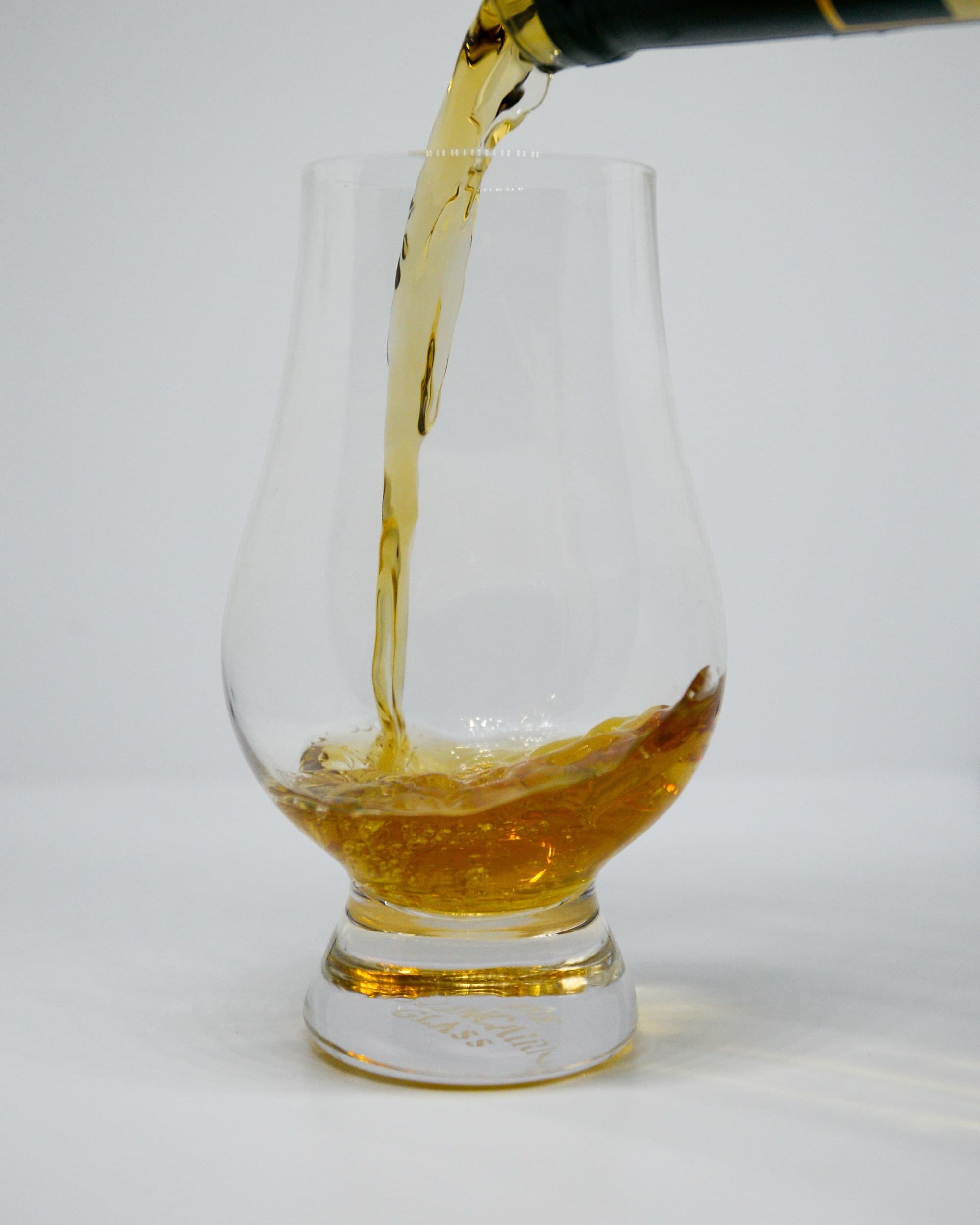
To see it for yourself, pour Glenmorangie Original next to GlenDronach 12. Before you even taste them, the colour shows how far apart bourbon and sherry wood can take a malt.
In The Snug
More to read
Craft · 2 min read
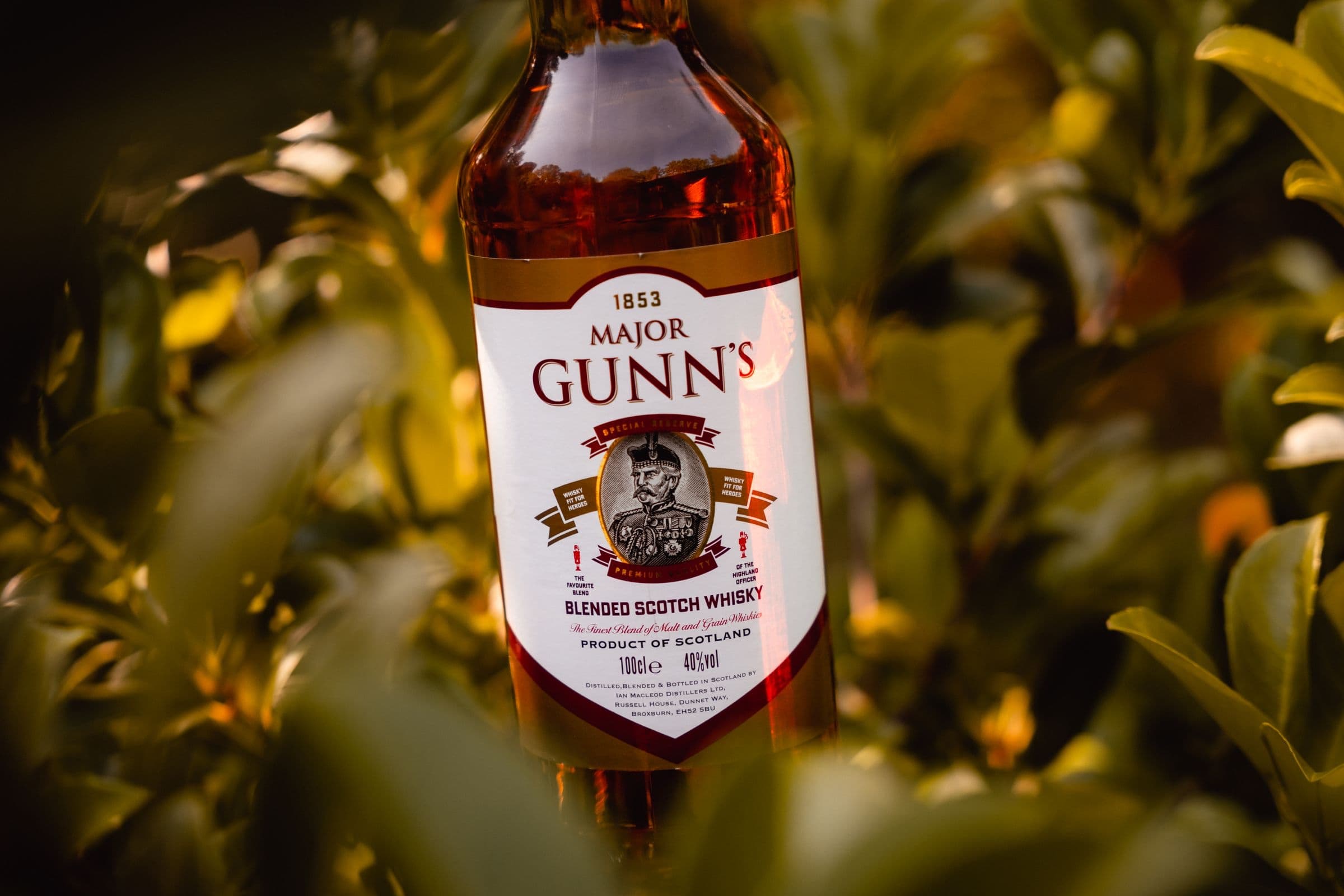
How to Read a Whisky Label
What each line on a Scotch label means, which ones the law requires, and which are optional extras.
Craft · 2 min read
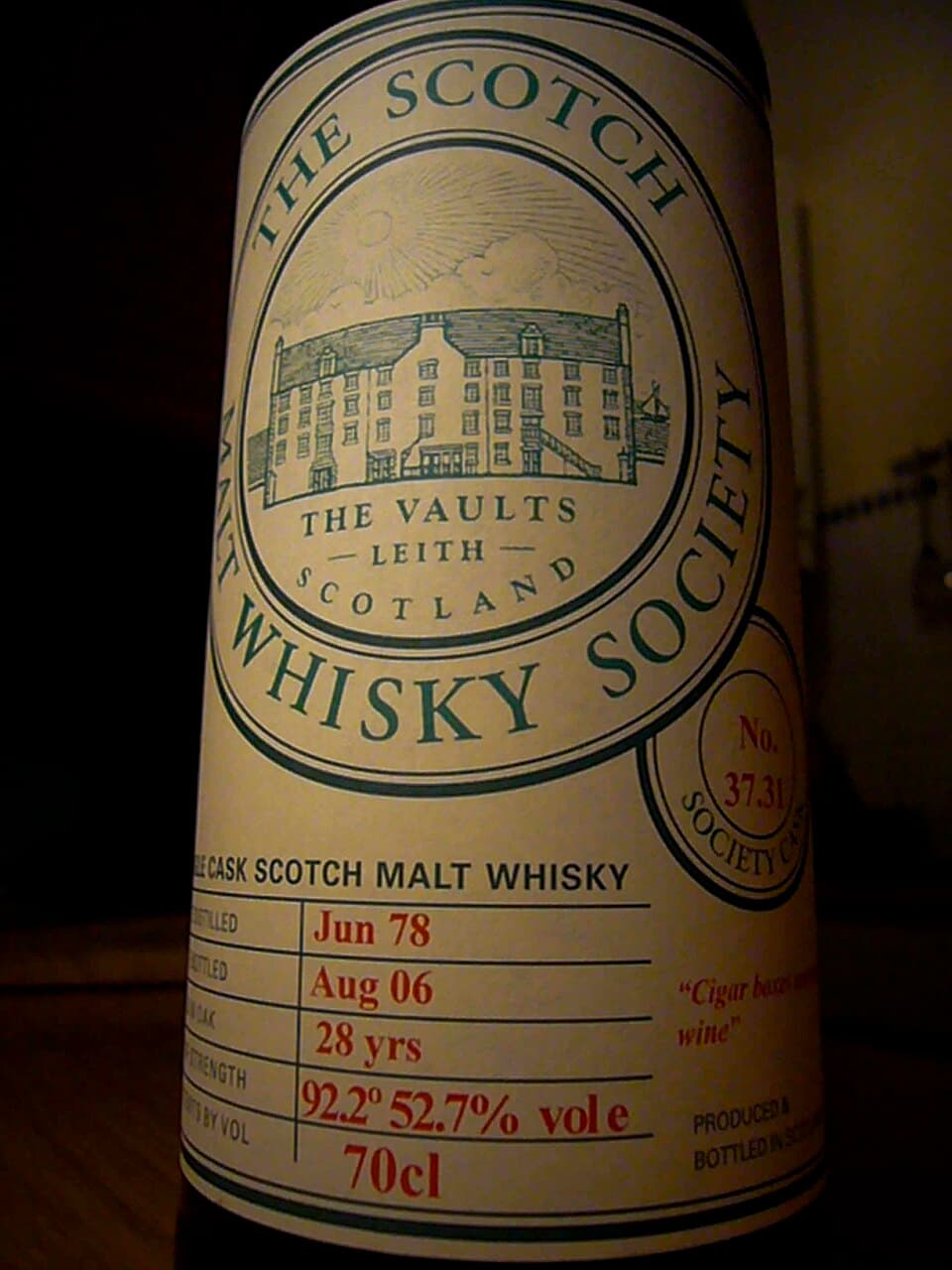
Understanding Age Statements
What the number on a Scotch label legally means, and what it means when there isn't one.
Craft · 2 min read
What SMWS Cask Codes Mean
How to read a Scotch Malt Whisky Society bottle code, and what the colour on the label tells you.
Keep going in The Snug
Read it, then pour it.
The Snug in the Dramour app has every article read aloud, the Between Drams podcast and recipes from your shelf, and picks up where you left off. Ask Dramcierge for a bottle to taste what you've just read about.