The Snug
Articles
Craft · 2 min read
Tropical Ageing: Why Rum Matures Faster
Caribbean heat pulls rum through the wood far faster than a Scottish warehouse, and costs more spirit doing it.
Listen to this article
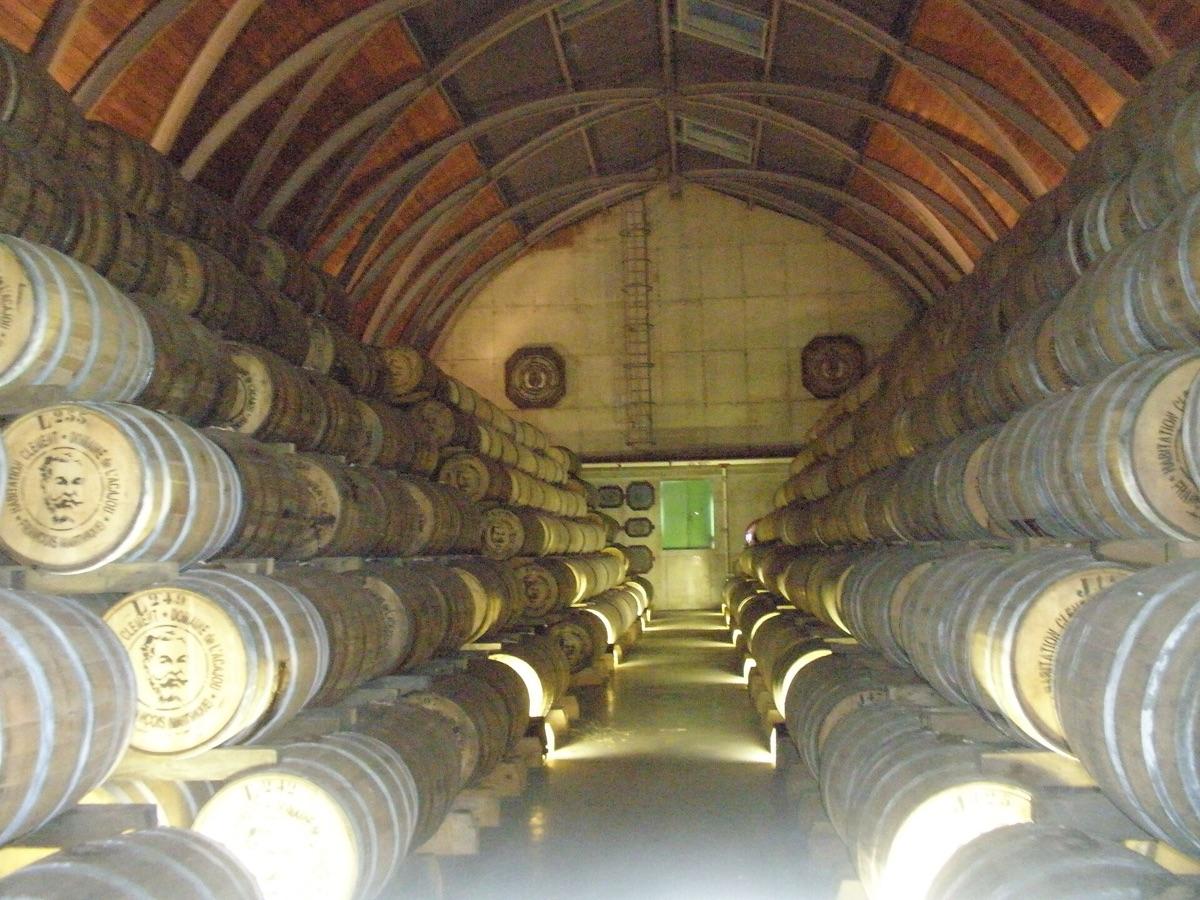
A cask of whisky in a Scottish warehouse loses roughly 2 percent of its contents a year to evaporation. In the Caribbean the angel's share is usually put at somewhere between 6 and 10 percent a year. Over a decade that adds up quickly, and a rum cask filled ten years ago can easily be half empty.
Heat is the main reason. Warm spirit works its way deeper into the oak and pulls colour and vanilla out of it much faster, and the slow reactions that round off a young spirit speed up too. Humidity plays a part in what evaporates, but the temperature does most of the work. A five year old rum from Barbados or Guyana can look and taste as oaky as a Scotch twice its age.
That's why a 12 year old rum and a 12 year old Scotch can't really be compared. A rum that has sat in the tropics for twelve years has lost a big share of its cask and taken a lot from the wood, and very old tropical rums can turn tannic and drying.
There's a long-running argument about the alternative. For a long time a lot of Caribbean rum was shipped to Britain in cask and aged in cool dockside warehouses, and some still is aged in Europe today. Continental ageing is slower, loses far less to the angels and tends to keep more of the distillery's own character. Tropical ageing gives more oak and depth in less time. Independent bottlings often say which they are on the label, and fans have strong opinions about both.
One caveat before comparing numbers. In the UK and EU an age statement has to refer to the youngest rum in the bottle, but plenty of rums, especially solera styles from Latin America, put a large number on the front that has nothing to do with age. Make sure the figure says years old before you read anything into it.
A simple test: pour El Dorado 12 (around £42) next to any supermarket 12 year old Speyside malt. Look at the colour first, then taste. The rum will almost always seem older and more wood-driven, even though both spent the same twelve years in oak.
In The Snug
More to read
Craft · 2 min read
How to Read a Whisky Label
What each line on a Scotch label means, which ones the law requires, and which are optional extras.
Craft · 2 min read
Understanding Age Statements
What the number on a Scotch label legally means, and what it means when there isn't one.
Craft · 2 min read
Cask Types and Their Influence
Ex-bourbon, sherry, port and virgin oak: what each kind of cask does to the spirit inside it.
Keep going in The Snug
Read it, then pour it.
The Snug in the Dramour app has every article read aloud, the Between Drams podcast and recipes from your shelf, and picks up where you left off. Ask Dramcierge for a bottle to taste what you've just read about.