The Snug
Articles
Craft · 2 min read
The Warehouse and the Angel's Share
Where whisky spends its years, and why a cask in Kentucky loses spirit faster than one in Speyside.
Listen to this article
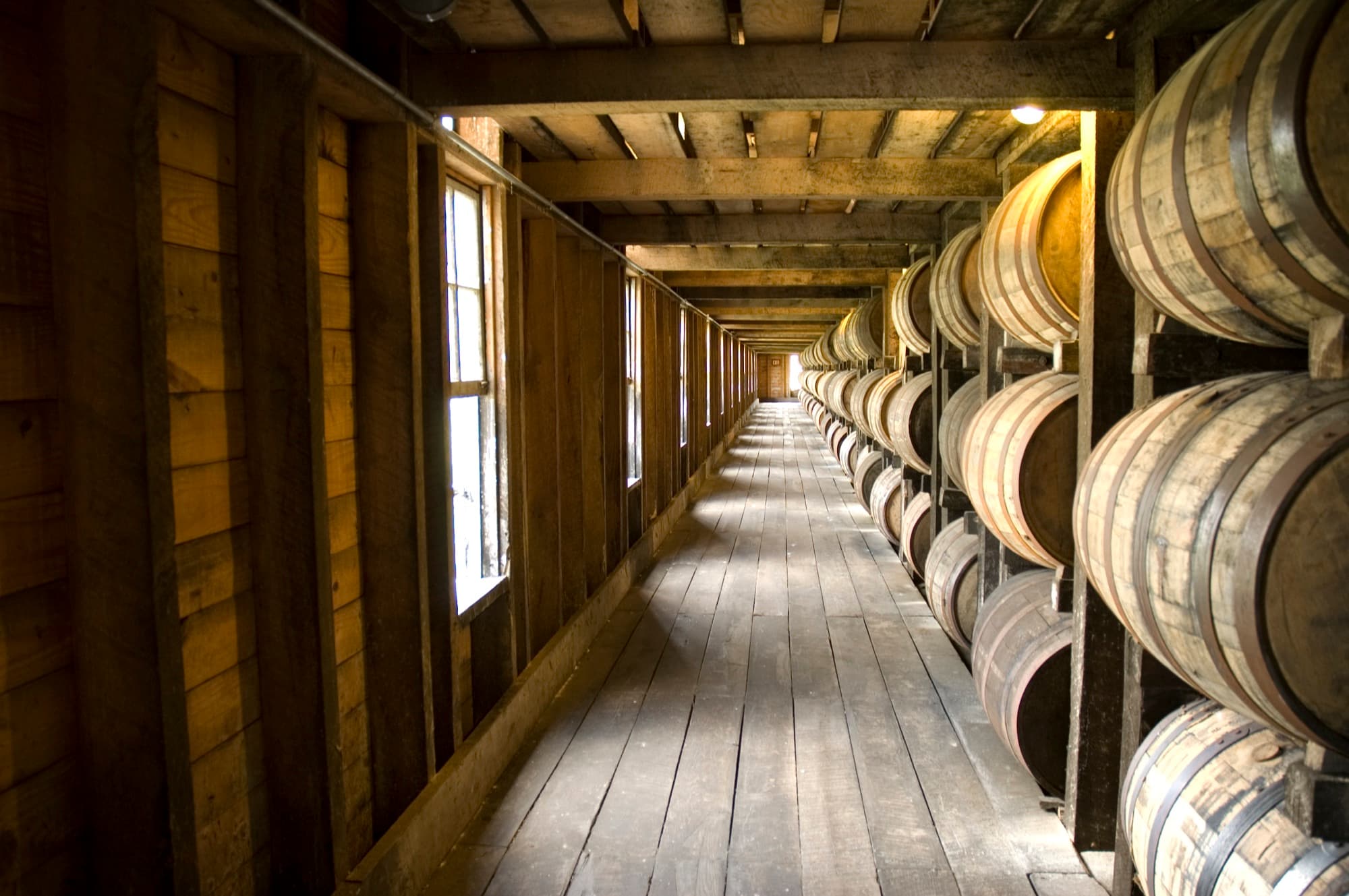
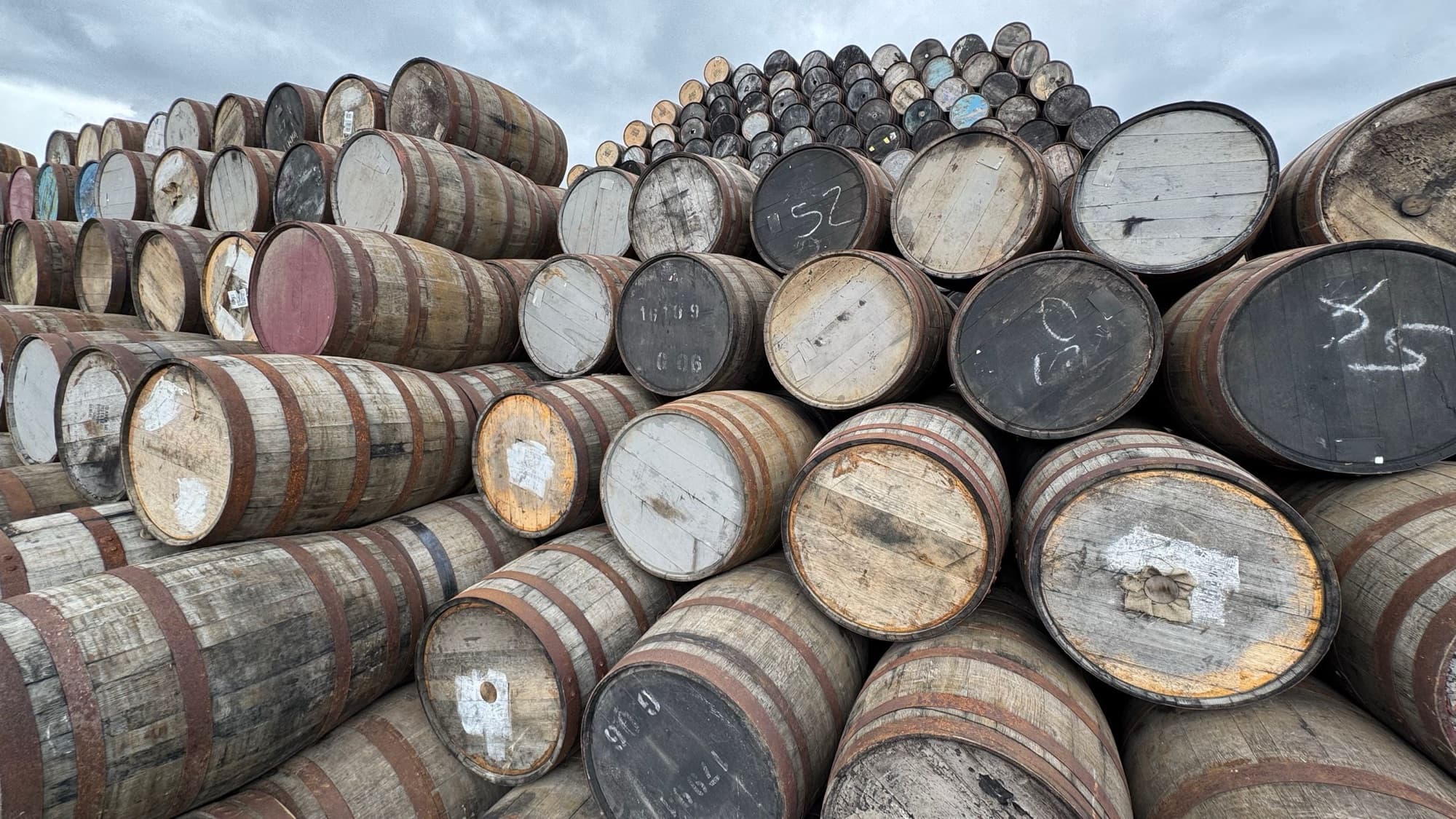
Oak breathes. Every year a cask sits in a warehouse, a little of what's inside evaporates through the wood. This is the angel's share. In Scotland it's usually reckoned at around 2 percent of the volume a year, which adds up: a cask left for 20 years can lose something like a third of what went in. You can sometimes see where it went. A black fungus called Baudoinia feeds on the alcohol vapour and stains warehouse walls and nearby buildings.
Climate decides how fast it goes. Scotland is cool and damp all year, so casks lose more alcohol than water and the strength slowly drops. Kentucky has hot summers and cold winters, and losses there are commonly put at around 4 percent a year, more in the first year. In the top floors of a Kentucky rickhouse, where summer heat builds up, more water than alcohol escapes, so the bourbon gets stronger as it ages. Hotter places like Taiwan and India lose far more again, which is why their whisky is rarely aged for long.
Heat speeds up maturation too. As a warehouse warms, the spirit expands into the wood and draws out flavour, and as it cools it pulls back. Bigger swings mean more of this, which is part of why a six-year-old bourbon can taste older than a six-year-old Scotch.
Scottish warehouses come in three main kinds. Dunnage warehouses are the traditional ones: low stone buildings with earth floors, casks stacked two or three high on wooden runners. They stay cool and damp and mature whisky slowly and evenly. Racked warehouses are taller, with casks on steel racks many rows high, and the top rows run warmer than the bottom. Palletised warehouses hold casks standing on end on pallets, moved by forklift, the cheapest way to store a lot of whisky.
Some producers move casks between floors to even things out, while others pick their best barrels from spots known to suit them. You'll see dunnage mentioned on labels as a mark of quality. It's a fair hint, not a guarantee.
To taste what climate does, try Kavalan Classic from Taiwan, around £55 and typically only a few years old, next to Glenfiddich 12. Then guess which one is older.
In The Snug
More to read
Craft · 2 min read
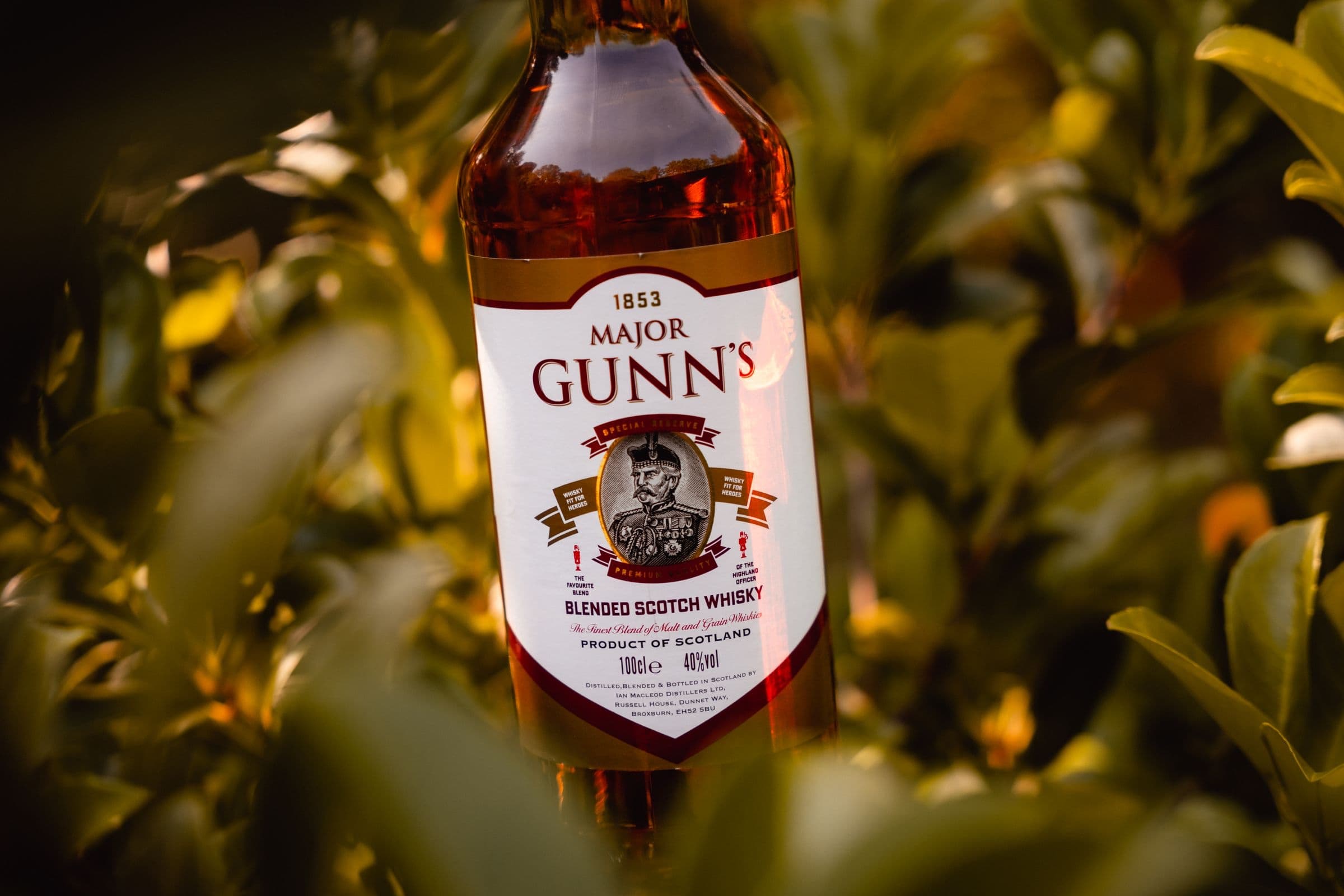
How to Read a Whisky Label
What each line on a Scotch label means, which ones the law requires, and which are optional extras.
Craft · 2 min read
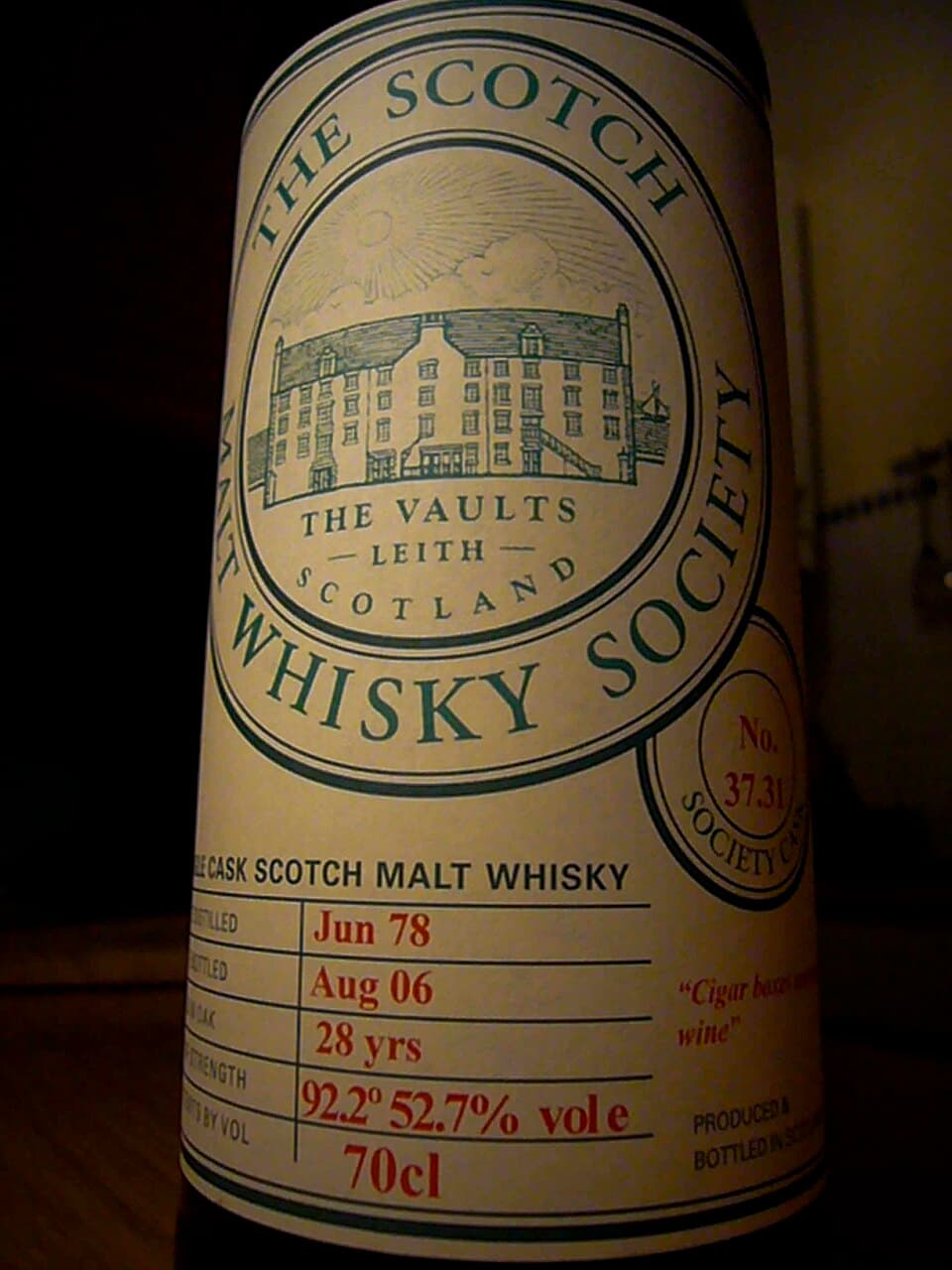
Understanding Age Statements
What the number on a Scotch label legally means, and what it means when there isn't one.
Craft · 2 min read
Cask Types and Their Influence
Ex-bourbon, sherry, port and virgin oak: what each kind of cask does to the spirit inside it.
Keep going in The Snug
Read it, then pour it.
The Snug in the Dramour app has every article read aloud, the Between Drams podcast and recipes from your shelf, and picks up where you left off. Ask Dramcierge for a bottle to taste what you've just read about.