The Snug
Articles
Craft · 2 min read
The Stillman's Art: Making the Cut
Where the stillman cuts the run, and the shape of the still itself, decide how heavy or clean a malt will be.
Listen to this article
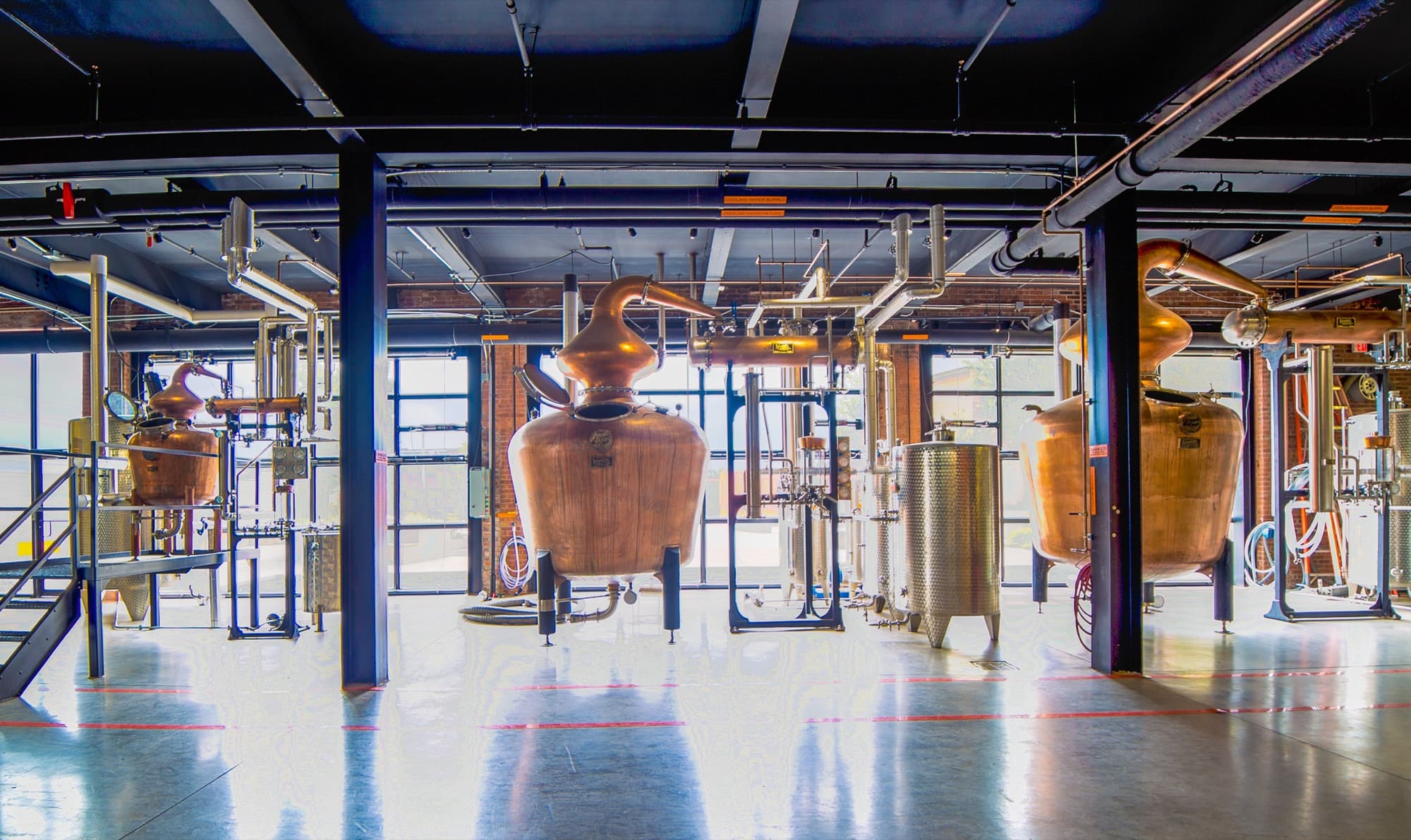
Malt whisky is usually distilled twice in copper pot stills. The first, the wash still, turns the beer-like wash into low wines of roughly 20 to 25 percent. The second, the spirit still, is where the important decisions get made, because not everything that comes out of it is worth keeping.
A spirit still run comes off in three parts. First come the foreshots, very strong and full of volatile compounds that smell sharp and solventy. Next comes the heart, or middle cut, which is the part that becomes whisky. Last come the feints, where the strength falls and heavier, oily compounds take over. Foreshots and feints aren't thrown away. They go back in with the next batch of low wines and get distilled again.
The stillman follows the run through the spirit safe, a locked brass and glass box that dates from the early 1800s, when the excise wanted to monitor spirit without anyone being able to get at it. Hydrometers inside show the strength. One old test for when the foreshots are done is to add water: if the spirit turns cloudy, it's too early. Many distilleries now cut on strength and timing, often collecting the heart from about 75 percent down to somewhere in the 60s.
Where the cuts fall shapes the spirit. A narrow cut, stopped early, gives a lighter and fruitier spirit. Running the heart further towards the feints collects heavier, oilier flavours that need longer in the cask. Much of the smoky character comes through late in the run, so peated distilleries that want plenty of it tend to cut lower.
The still itself matters as much as the cut. Tall stills with long necks send most of the vapour back down to be distilled again, which is called reflux, so only lighter compounds make it over. Glenmorangie's necks are about 5.14 metres, the tallest in Scotland, and its spirit is one of the most delicate. Small, squat stills give heavier spirit, and so do worm tubs, the old coiled condensers sitting in a vat of cold water, because they give the vapour less contact with copper. Mortlach and Talisker both still use them.
The easiest way to taste the difference is Glenmorangie Original next to Mortlach 12, around £55. Both have spent years in oak, but the weight of the spirit underneath is completely different.
In The Snug
More to read
Craft · 2 min read
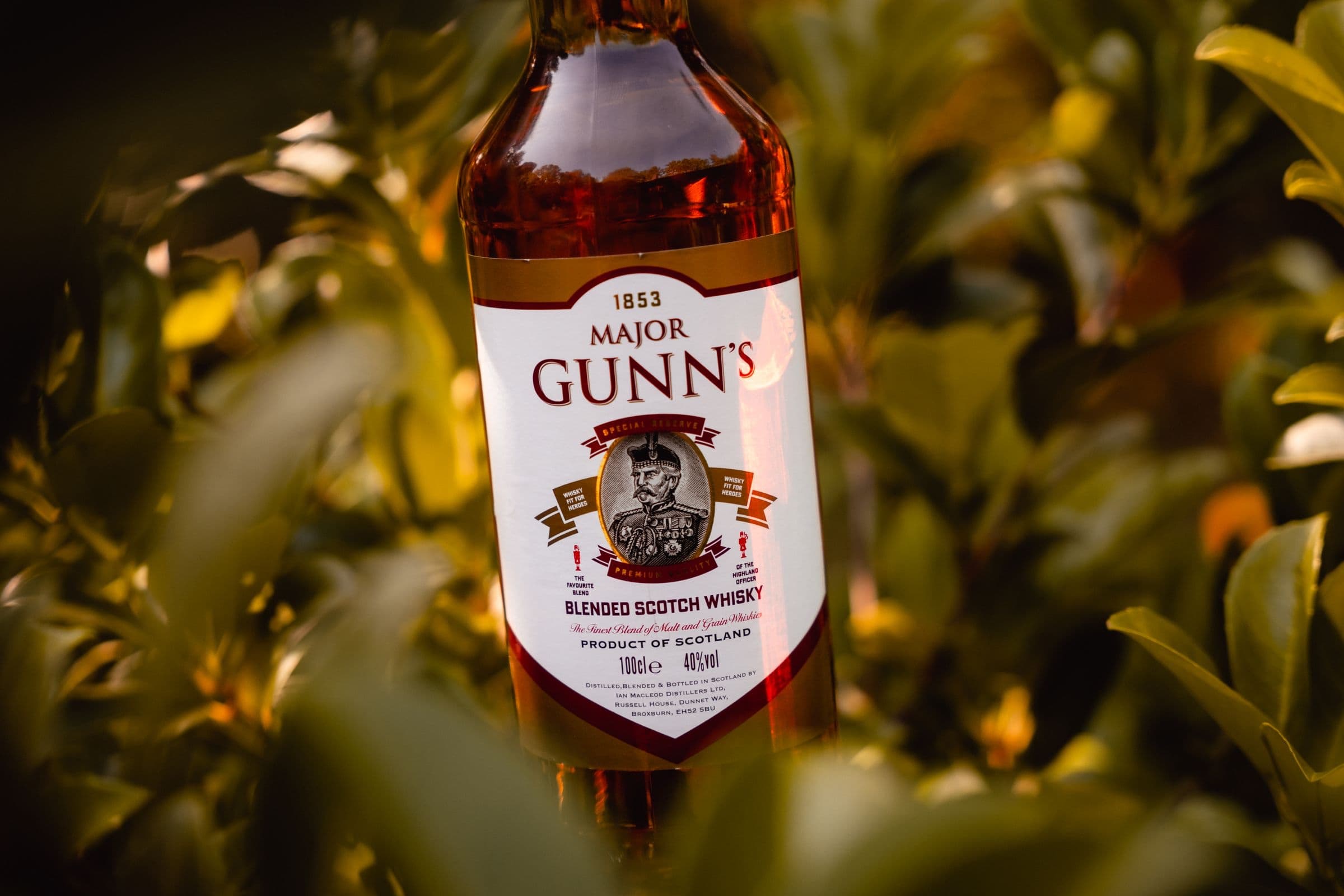
How to Read a Whisky Label
What each line on a Scotch label means, which ones the law requires, and which are optional extras.
Craft · 2 min read
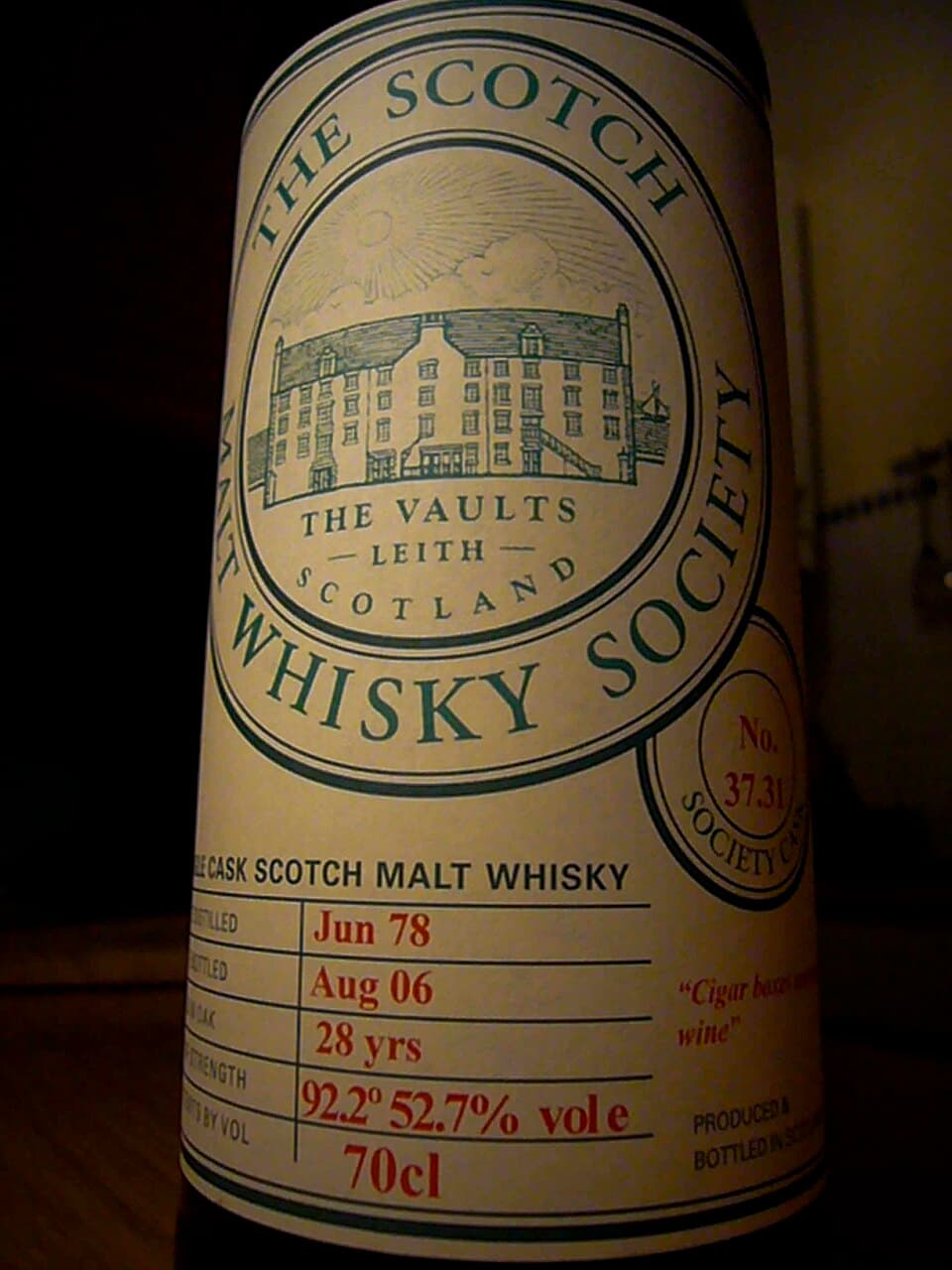
Understanding Age Statements
What the number on a Scotch label legally means, and what it means when there isn't one.
Craft · 2 min read
Cask Types and Their Influence
Ex-bourbon, sherry, port and virgin oak: what each kind of cask does to the spirit inside it.
Keep going in The Snug
Read it, then pour it.
The Snug in the Dramour app has every article read aloud, the Between Drams podcast and recipes from your shelf, and picks up where you left off. Ask Dramcierge for a bottle to taste what you've just read about.