The Snug
Articles
Craft · 2 min read
Single Cask vs Small Batch vs Blend
What the words on a Scotch label legally mean, which ones mean nothing, and why blends get a bad press.
Listen to this article
Scotch law has five categories, and every bottle has to say which one it falls into. Single malt is made only from malted barley, in pot stills, at one distillery. Single grain also comes from one distillery but can use other cereals such as wheat or maize, and is usually made in column stills. Blended malt is single malts from more than one distillery mixed together. Blended grain does the same with grain whisky. Blended Scotch, by far the biggest seller, combines malt and grain.
Blended malt used to be called vatted malt, until the 2009 regulations dropped the term. Vatting still describes what happens in nearly every bottle, though. A standard single malt like Glenfiddich 12 is many casks from the same distillery mixed together, so that each batch tastes like the last.
Single cask is the opposite. One cask is bottled on its own, often at cask strength, and a hogshead might give a few hundred bottles. The next cask from the same distillery and year can taste quite different. That's the appeal for collectors, and also the risk, because some casks are superb and some get bottled because somebody needed to sell them.
Small batch means whatever the producer wants it to mean. There's no legal definition in Scotland or in the US, so one distillery's small batch could be a dozen casks and another's a few hundred. Treat it as a hint about style rather than a promise.
Blends are often written off as the cheap stuff, which is unfair. A blender has to make the same flavour year after year from stocks that never stop changing, and that's harder than bottling one good cask. Johnnie Walker Black Label, around £30, is a 12 year old blend with a thread of smoke through it. Blue Label carries no age statement, costs about £150 and is built from older, rarer stock. Compass Box, founded by John Glaser in 2000, made blending interesting again. Its Great King Street Artist's Blend, about £40, uses a far higher share of malt than a supermarket blend.
For a test at home, pour Monkey Shoulder, a blended malt at about £28, next to a single malt you know well. See if you can tell which one came from a single distillery.
In The Snug
More to read
Craft · 2 min read
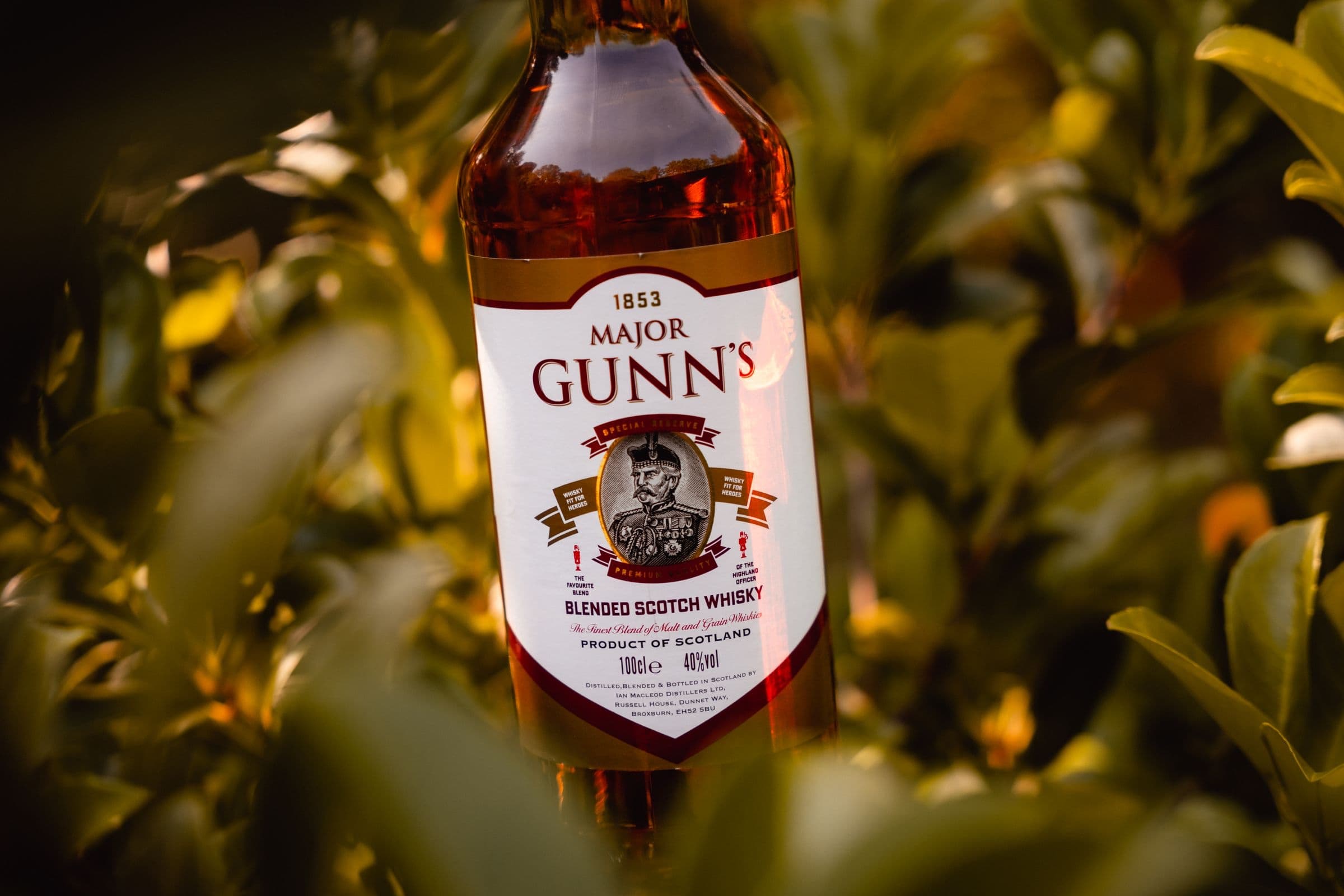
How to Read a Whisky Label
What each line on a Scotch label means, which ones the law requires, and which are optional extras.
Craft · 2 min read
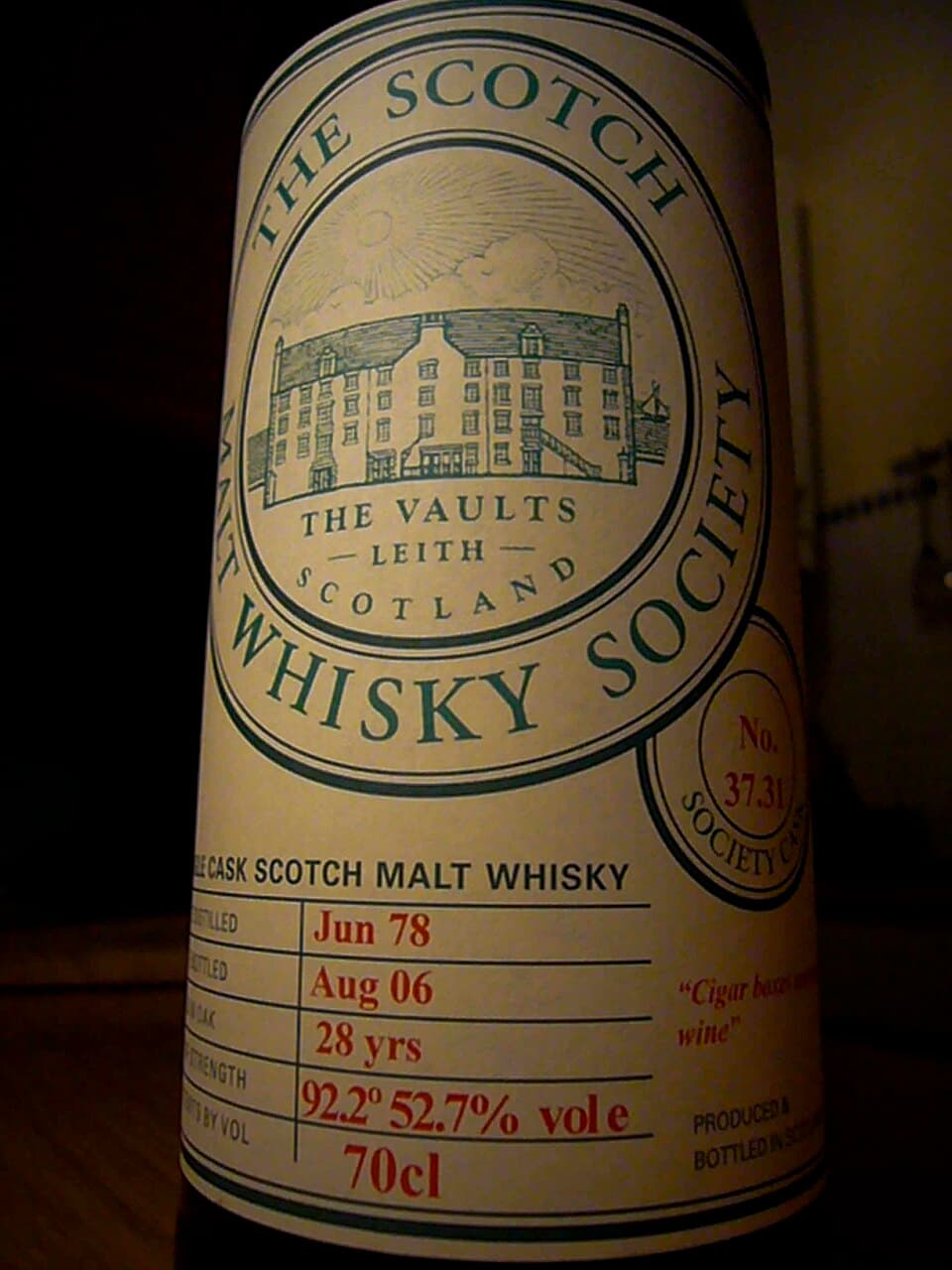
Understanding Age Statements
What the number on a Scotch label legally means, and what it means when there isn't one.
Craft · 2 min read
Cask Types and Their Influence
Ex-bourbon, sherry, port and virgin oak: what each kind of cask does to the spirit inside it.
Keep going in The Snug
Read it, then pour it.
The Snug in the Dramour app has every article read aloud, the Between Drams podcast and recipes from your shelf, and picks up where you left off. Ask Dramcierge for a bottle to taste what you've just read about.