The Snug
Articles
Craft · 2 min read
Rum 101: Molasses, Cane Juice and Everything Between
Where rum comes from, and why a bottle from one island can taste nothing like a bottle from the next.
Listen to this article
Rum is a spirit distilled from sugar cane, and that one plant covers more ground than almost any other base. A light Cuban white and a heavy Jamaican pot still rum have about as much in common as vodka and Laphroaig. Most of the gap comes down to what gets fermented and how it's distilled.
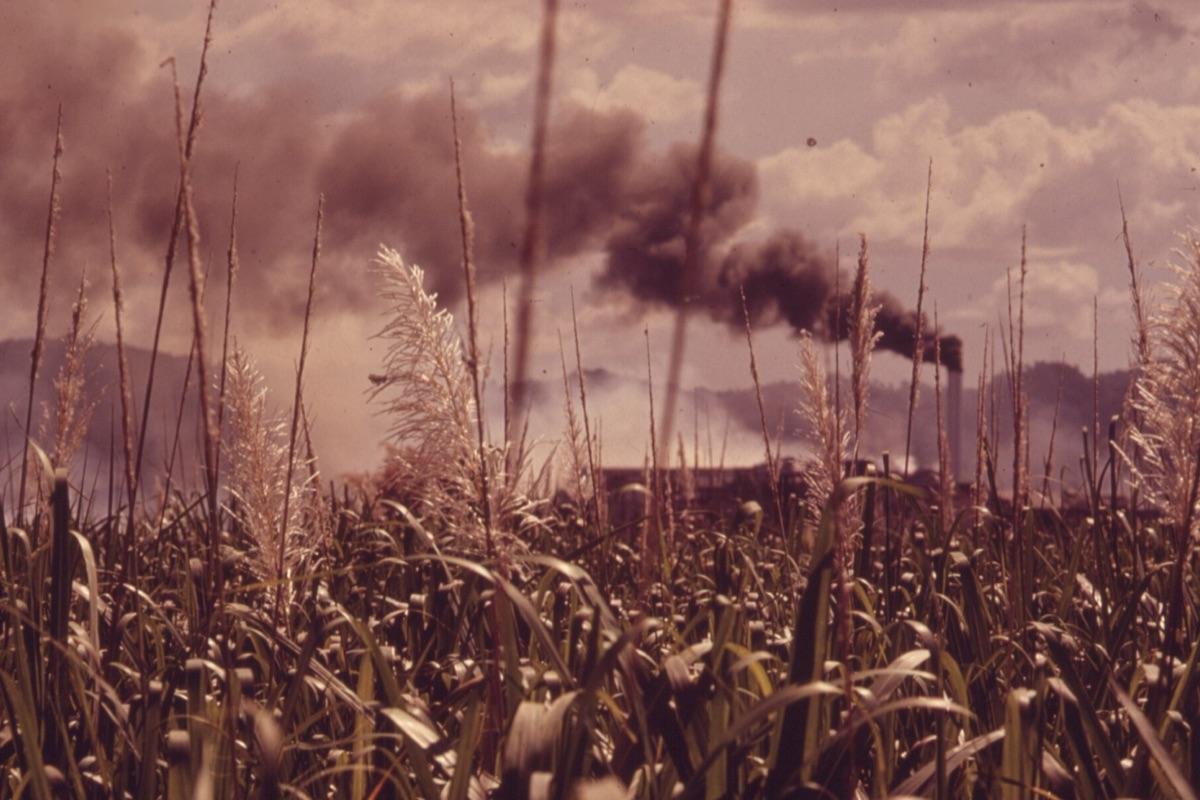
The vast majority of rum starts as molasses, the thick dark syrup left behind once sugar has been crystallised out of boiled cane juice. It keeps for months and travels well. Rhum agricole, mostly from Martinique and Guadeloupe, is made from fresh-pressed cane juice instead. The juice spoils quickly, so it has to be fermented on the spot during the harvest, and the spirit comes out grassier as a result. Somewhere in between sits cane honey, juice boiled down to a syrup without the sugar being taken out. Ron Zacapa in Guatemala is the best known rum made from it.
Stills matter just as much. Pot stills work in batches and hang on to heavy, oily flavour. Column stills run continuously and can strip a spirit back to something very clean. Plenty of distilleries run both and blend the results, which is how Foursquare and Mount Gay in Barbados build most of their rums.
On the shelf you'll mostly see three kinds. White rum is unaged, or aged briefly and filtered to take the colour out. Aged rum has spent years in oak, usually ex-bourbon barrels, and in Caribbean heat it darkens fast. Spiced rum has had spices and flavourings added, and usually sugar too. Rum sold in the UK has to be at least 37.5% ABV, so a spiced bottle at 35%, like Captain Morgan Original Spiced Gold, is legally a spirit drink and says so in the small print.
The island styles grew out of colonial history. The old British colonies tend towards heavier molasses rum, the French islands make agricole, and the former Spanish colonies such as Cuba and Puerto Rico lean light and clean. It's a rough rule with plenty of exceptions, but handy in a shop.
To taste the spread for yourself, pour Mount Gay Eclipse (around £22) next to Rhum J.M Blanc (about £38). Same sugar cane, very different spirits. The agricole smells of cut grass and green olive, which surprises most people the first time, while the Barbados rum is all toffee and soft vanilla.
In The Snug
More to read
Craft · 2 min read
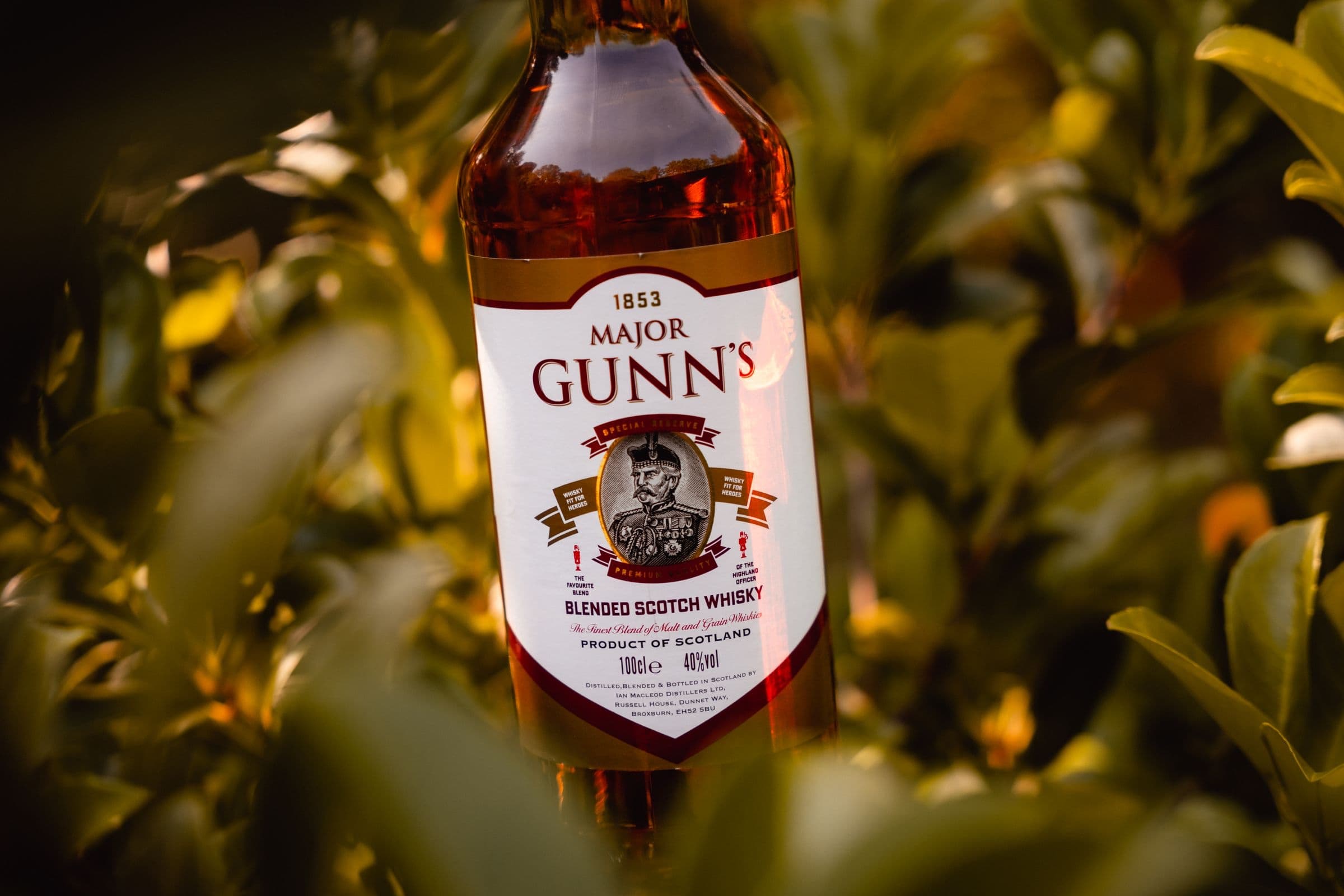
How to Read a Whisky Label
What each line on a Scotch label means, which ones the law requires, and which are optional extras.
Craft · 2 min read
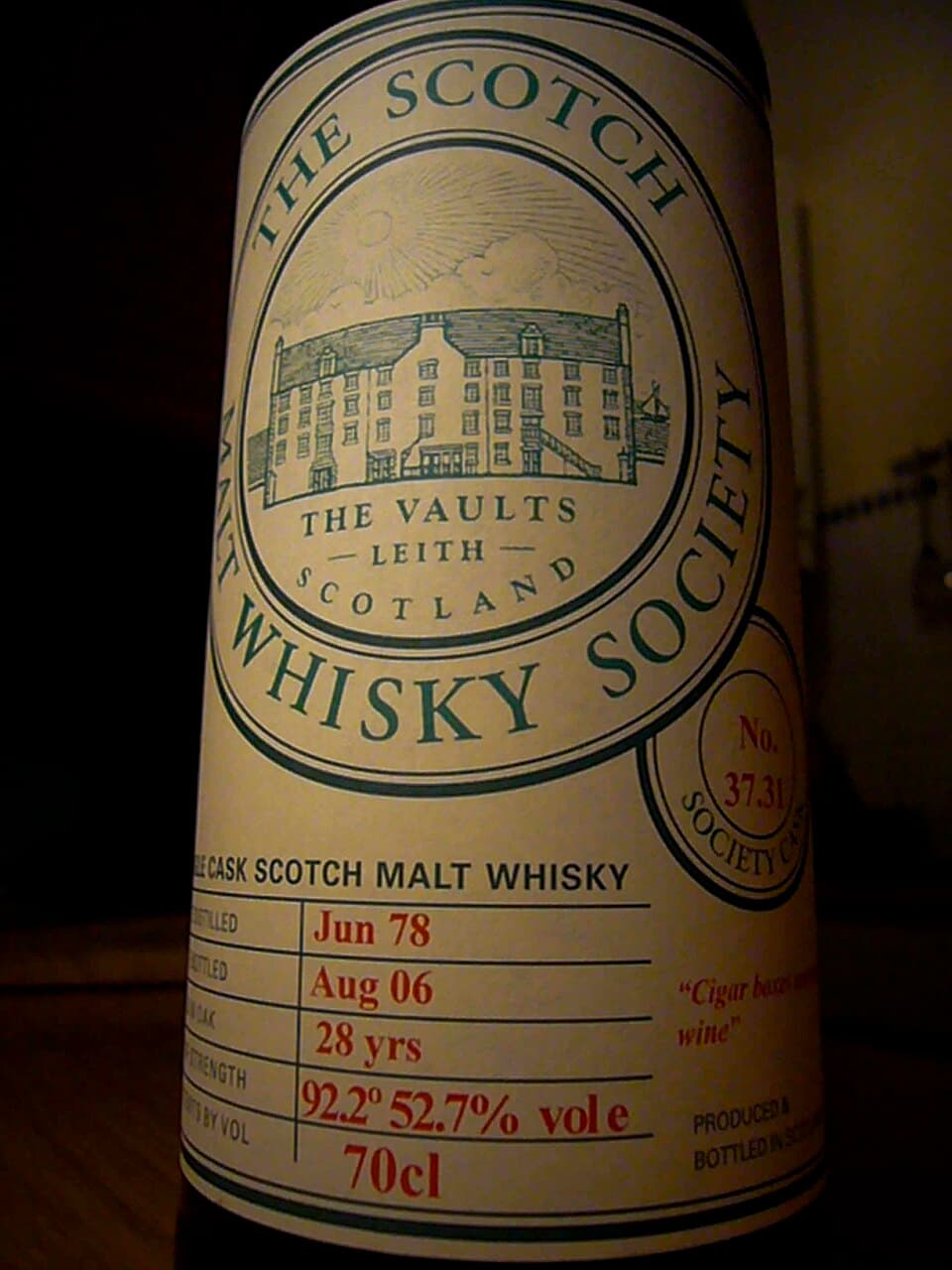
Understanding Age Statements
What the number on a Scotch label legally means, and what it means when there isn't one.
Craft · 2 min read
Cask Types and Their Influence
Ex-bourbon, sherry, port and virgin oak: what each kind of cask does to the spirit inside it.
Keep going in The Snug
Read it, then pour it.
The Snug in the Dramour app has every article read aloud, the Between Drams podcast and recipes from your shelf, and picks up where you left off. Ask Dramcierge for a bottle to taste what you've just read about.