
The Snug
Articles
Craft · 2 min read
Reading a Mash Bill
What corn, rye, wheat and malted barley each bring to a bourbon, and how to read the percentages.
Listen to this article
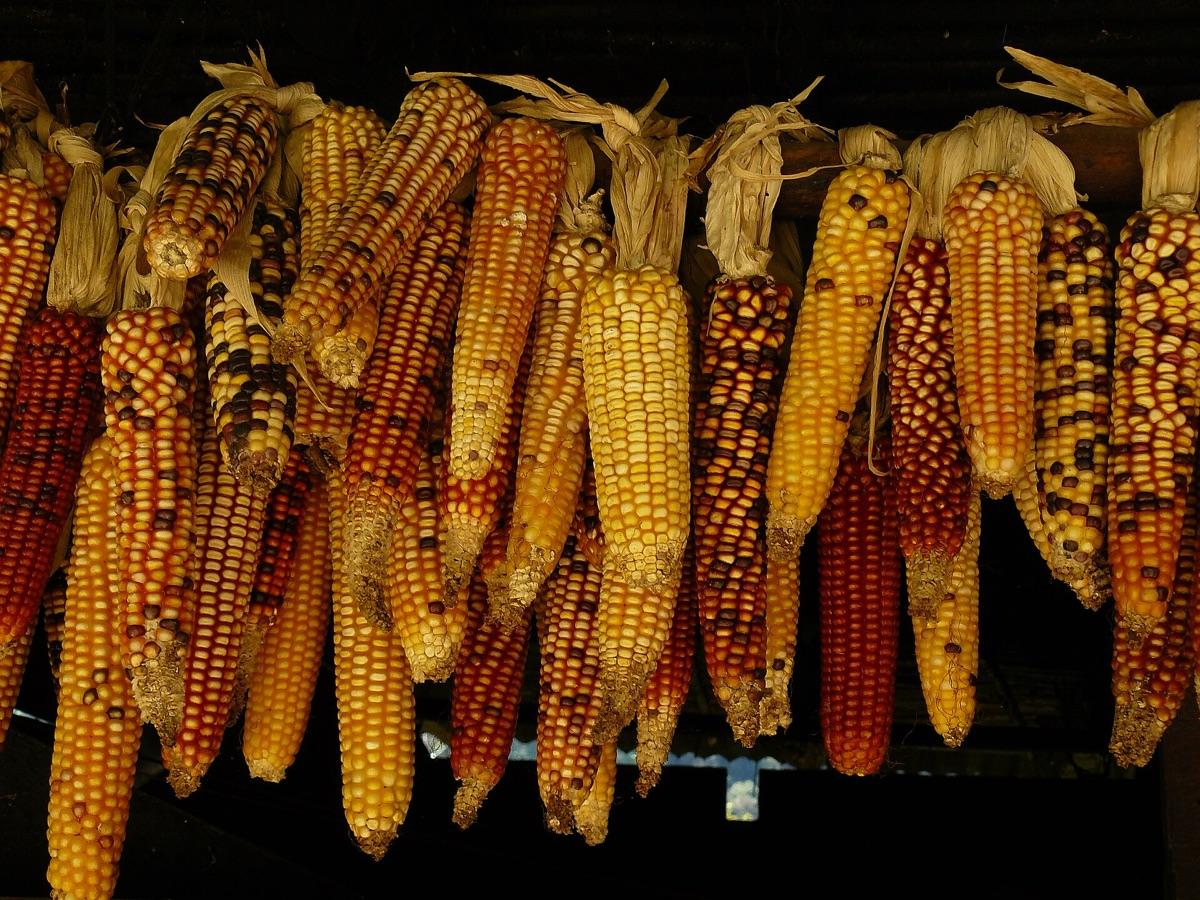
A mash bill is the grain recipe behind a whiskey, written as percentages. Bourbon has to be at least 51 percent corn, and most sit somewhere between roughly 60 and 80. The rest is rye or wheat plus a little malted barley, and those smaller numbers tell you far more about the flavour than the corn does. When Dramour shows a mash bill on a bourbon, these are the figures it's showing.
Corn gives bourbon its sweet, slightly oily middle. Once the barrel has added vanilla and caramel, a corn-heavy whiskey tends to taste soft and rich, sometimes with a hint of cornbread. Heaven Hill's standard recipe, used for Evan Williams and Elijah Craig, is 78 percent corn, 10 percent rye and 12 percent malted barley.
Rye is the spice: black pepper and cinnamon, sometimes clove or a little mint. Wild Turkey uses 13 percent, and Brown-Forman's recipe for Woodford Reserve and Old Forester goes to 18. There's no legal meaning to "high rye", but people tend to use it once rye passes about 20 percent. Four Roses sits at the far end: its B mash bill is 35 percent rye, and even its gentler E mash bill carries 20.
Wheated bourbons swap the rye for wheat, which gives a softer, bready sort of sweetness and less bite on the finish. Maker's Mark is the famous one, at 70 percent corn, 16 percent red winter wheat and 14 percent malted barley. Heaven Hill's Larceny and Old Fitzgerald use 68 percent corn, 20 percent wheat and 12 percent barley.
Malted barley rarely goes above about 14 percent, and Four Roses gets by on 5. It's there mainly for its enzymes, which turn the starch in the other grains into sugar the yeast can ferment. It can add a faint biscuity note, though you'd struggle to pick it out.
The grain recipe is only part of the picture. Yeast, distilling strength and years in the barrel all move the flavour too. Still, it's the most useful single clue on a bourbon. Try Maker's Mark and Woodford Reserve side by side, both around £30 to £35 and close in strength. The Maker's feels rounder in the middle, while the Woodford leaves a peppery tingle at the back of your mouth from its extra rye.
In The Snug
More to read
Craft · 2 min read
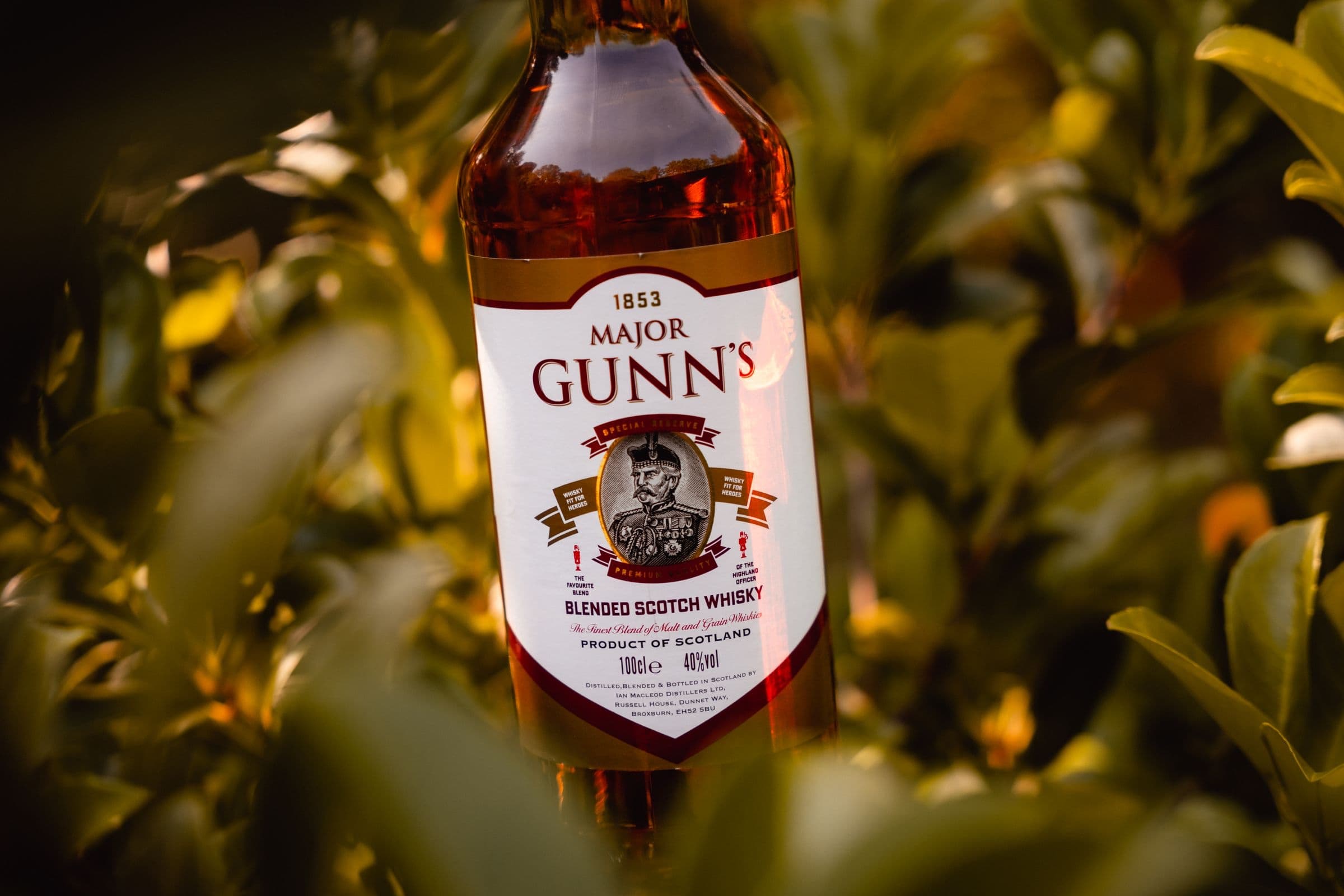
How to Read a Whisky Label
What each line on a Scotch label means, which ones the law requires, and which are optional extras.
Craft · 2 min read
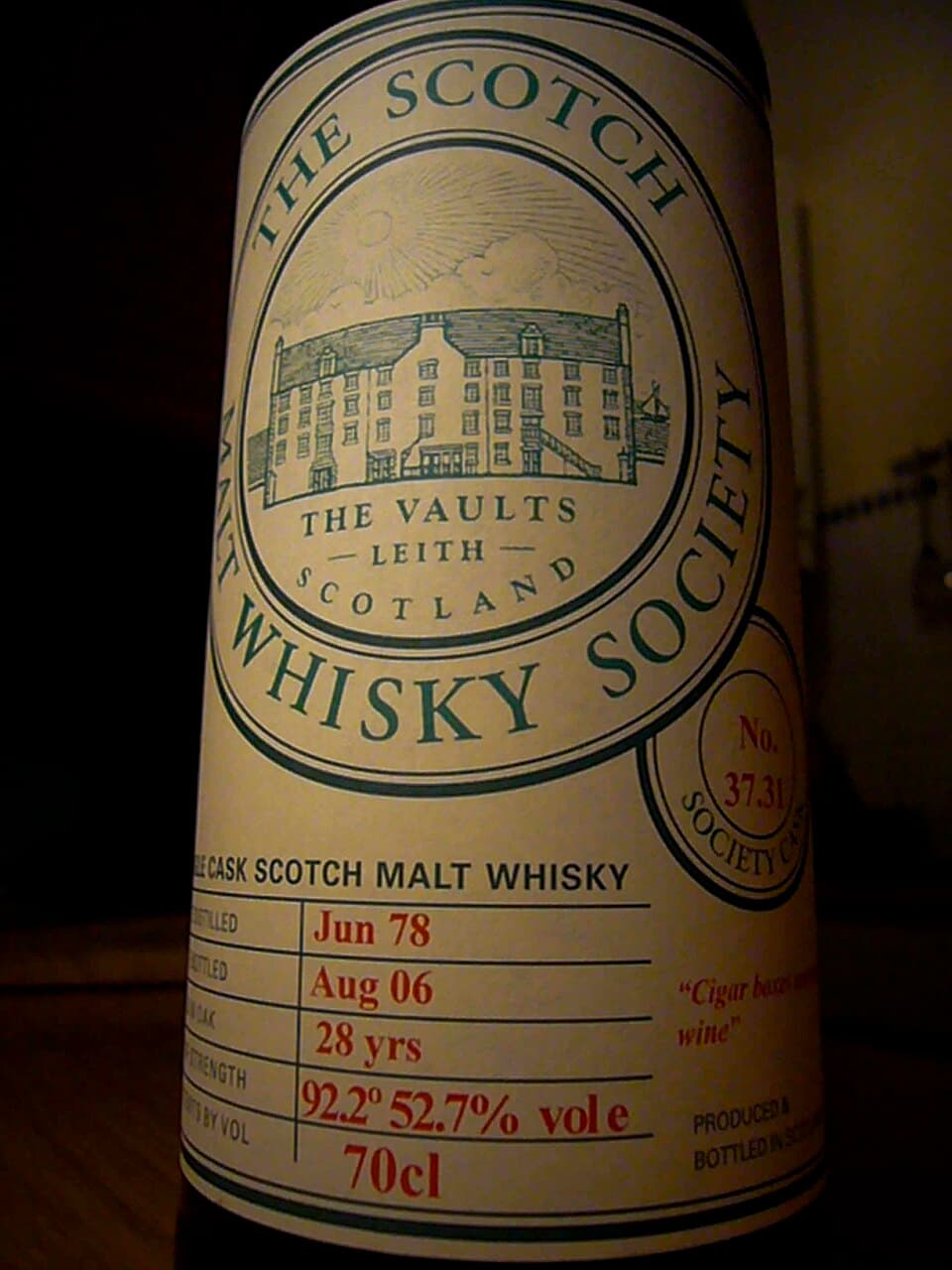
Understanding Age Statements
What the number on a Scotch label legally means, and what it means when there isn't one.
Craft · 2 min read
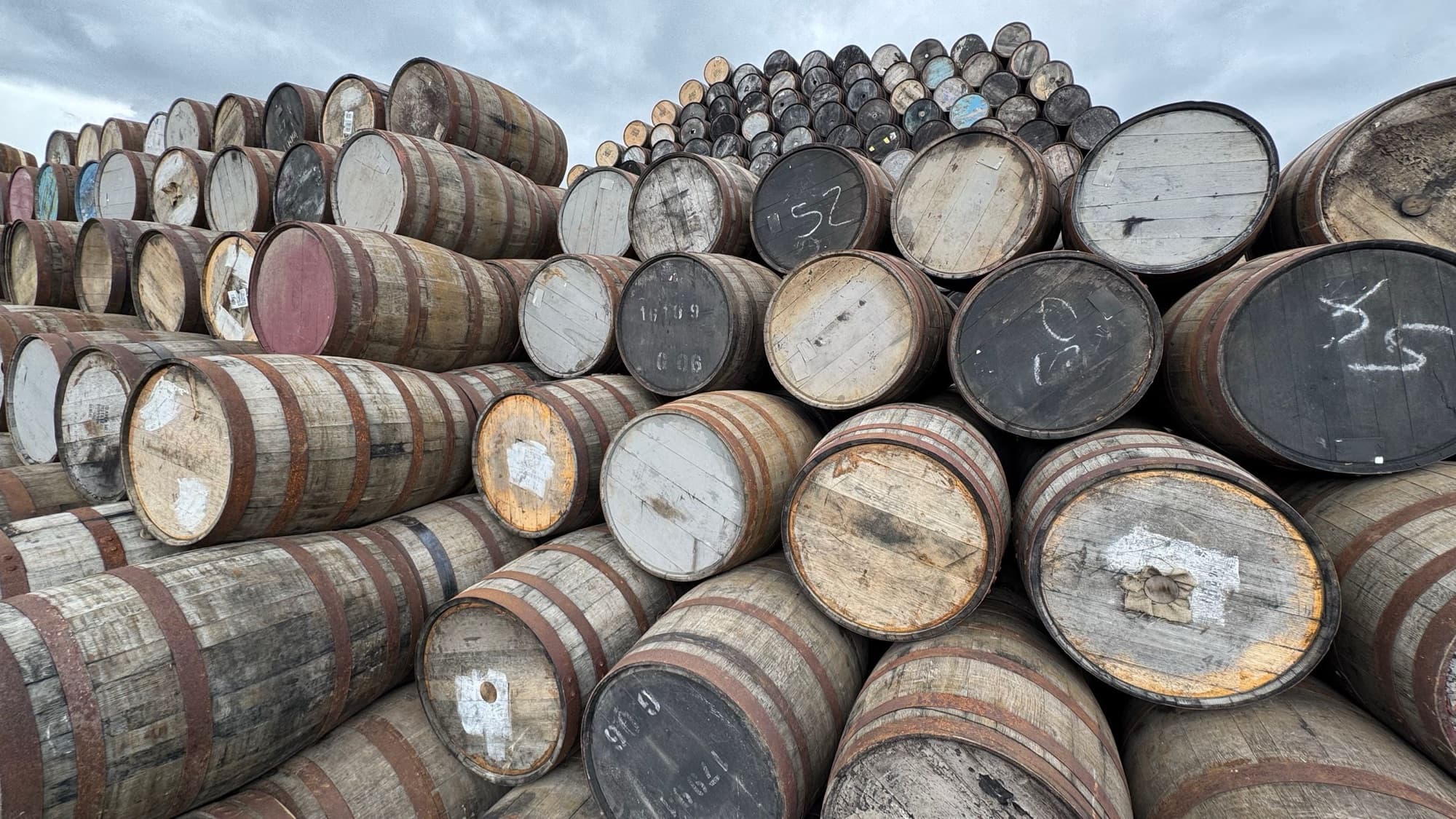
Cask Types and Their Influence
Ex-bourbon, sherry, port and virgin oak: what each kind of cask does to the spirit inside it.
Keep going in The Snug
Read it, then pour it.
The Snug in the Dramour app has every article read aloud, the Between Drams podcast and recipes from your shelf, and picks up where you left off. Ask Dramcierge for a bottle to taste what you've just read about.