The Snug
Articles
Craft · 2 min read
Inside the Cask: Oak, Char and Cooperage
What the type of oak, the char and the size of a cask do to a whisky, and how coopers keep casks going for decades.
Listen to this article
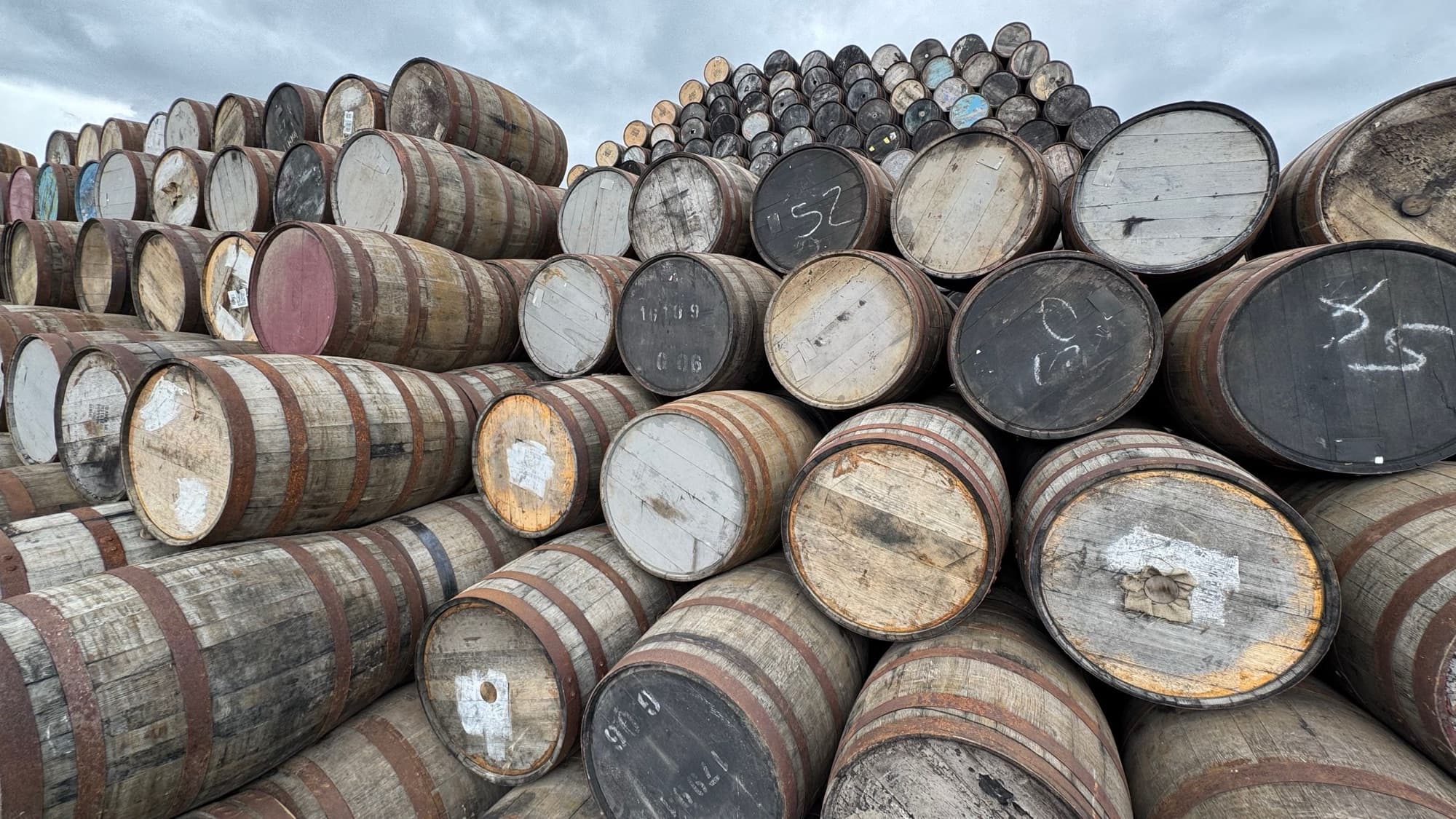
Every cask used for Scotch has to be oak, and by law it can hold no more than 700 litres. Within those rules there's plenty of variety. What the cask held before has its own article. This one is about the wood itself, starting with which oak it came from.
Most casks are American white oak, because the bourbon industry gets through so much of it. It's dense and tight-grained, rich in vanillin and in the lactones that taste of coconut. European oak, mostly from Spain and France, is more porous and carries far more tannin, so it gives drier spice, dried fruit and a darker colour. Many sherry casks are European oak, though plenty of bodegas now season American oak because it's cheaper.
Then there's heat. Bourbon barrels are charred, set alight inside for anything from about 15 seconds to nearly a minute. The charcoal helps strip out sulphur, and underneath it the heat caramelises sugars in the wood, which is where much of the vanilla and toffee comes from. Wine casks are usually toasted instead, heated gently so the wood browns without catching.
Size changes the speed, because a smaller cask puts more wood against each litre of spirit. A quarter cask holds about 125 litres, a bourbon barrel about 200, a hogshead about 250 and a sherry butt around 500. Small casks work fast but turn woody if left too long. Big butts work slowly and suit whisky that will sit for 20 years or more.
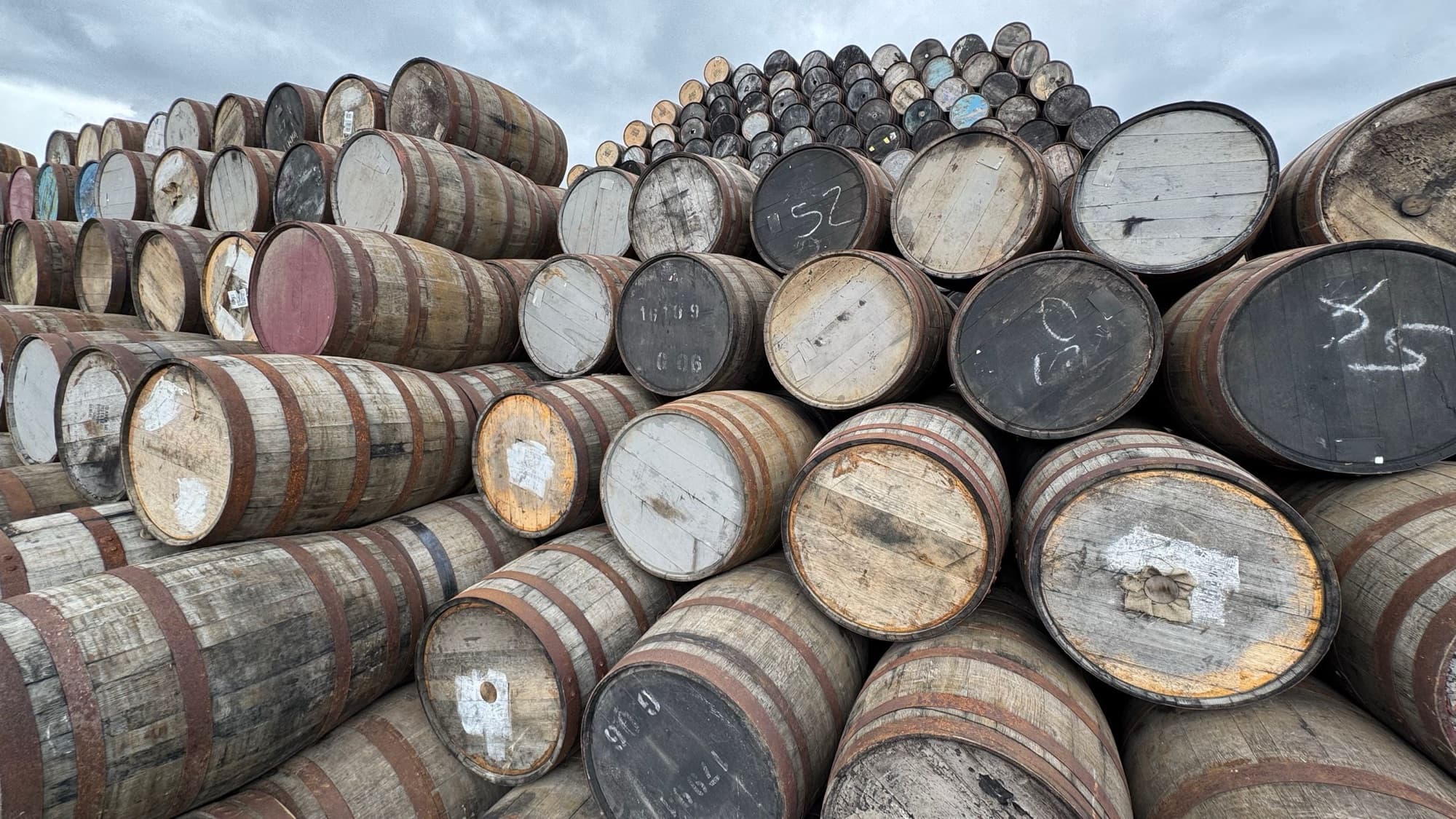
Casks are built without glue or nails. A cooper heats the staves, bends them into shape and holds them with steel hoops, with dried reed packed into the joints of the head to seal it. Bourbon barrels often cross the Atlantic as bundles of staves and are rebuilt in Scotland, frequently with extra staves and new ends to make hogsheads. Scottish coopers serve an apprenticeship of around four years.
A cask can work for decades. When it's tired, a cooper can scrape out the inside and char it again. The STR casks developed by the late Dr Jim Swan, red wine casks that are shaved, toasted and re-charred, are one version of this, used by Kavalan in Taiwan. For a cheap lesson in cask size, taste Laphroaig 10 next to Laphroaig Quarter Cask, both around £40. It's the same spirit, and the small casks make the second one sweeter and woodier.
In The Snug
More to read
Craft · 2 min read
How to Read a Whisky Label
What each line on a Scotch label means, which ones the law requires, and which are optional extras.
Craft · 2 min read
Understanding Age Statements
What the number on a Scotch label legally means, and what it means when there isn't one.
Craft · 2 min read
Cask Types and Their Influence
Ex-bourbon, sherry, port and virgin oak: what each kind of cask does to the spirit inside it.
Keep going in The Snug
Read it, then pour it.
The Snug in the Dramour app has every article read aloud, the Between Drams podcast and recipes from your shelf, and picks up where you left off. Ask Dramcierge for a bottle to taste what you've just read about.