The Snug
Articles
Craft · 2 min read
Independent Bottlers Explained
How casks end up with companies that never distilled them, and how to read the labels they put on them.
Listen to this article
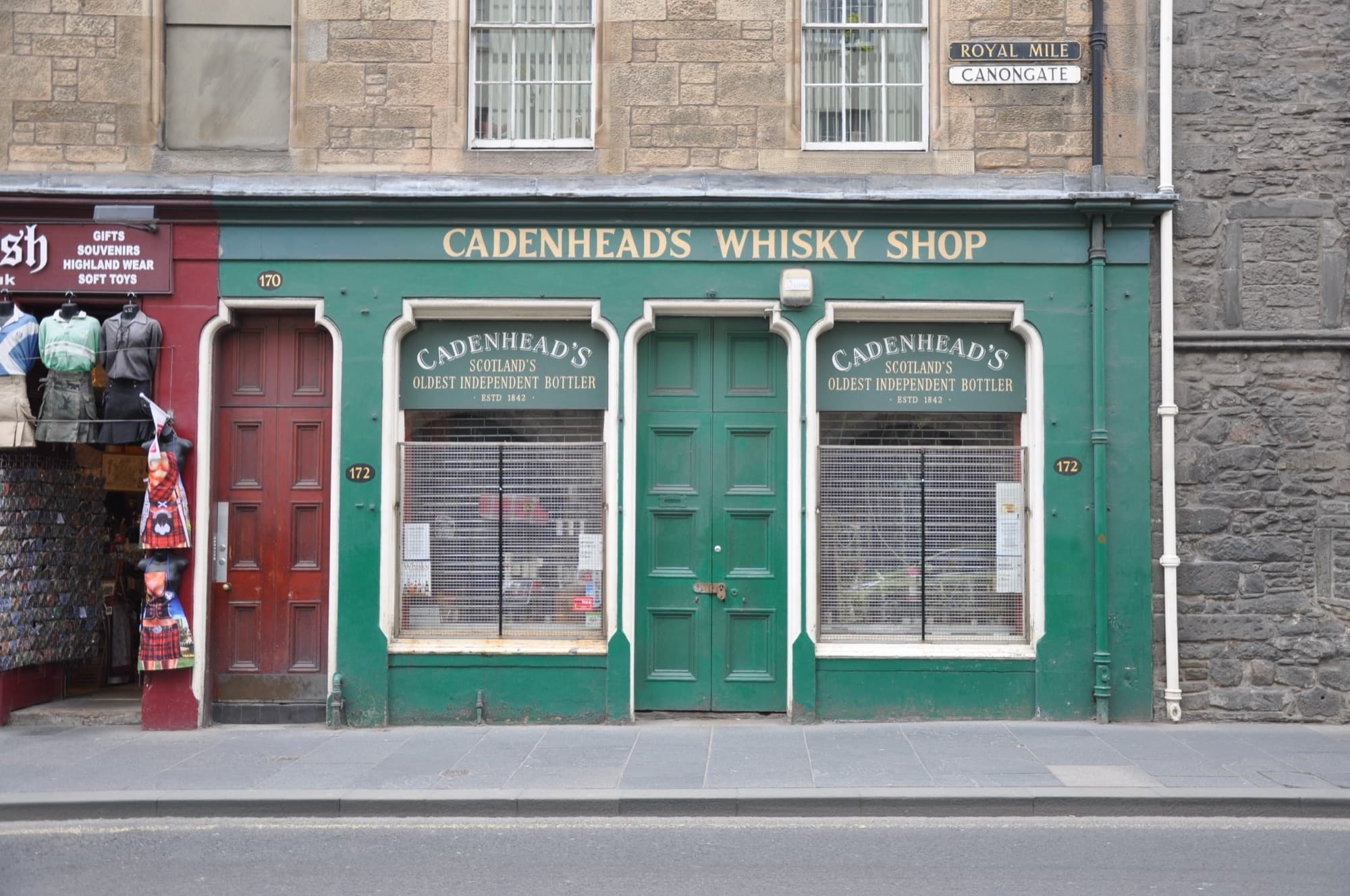
Most whisky is bottled by the company that made it. An independent bottler buys whisky, usually by the cask, and sells it under its own label. It's an old trade. In the nineteenth century grocers and wine merchants routinely bought casks from distilleries and bottled them for their customers, and some of today's best known bottlers started out exactly that way.
Whisky changes hands far more than most drinkers realise. Blending companies trade casks among themselves to get the range of malts they need, and casks a blender doesn't need can be sold on through brokers. Some bottlers buy new make spirit straight from a distillery and fill it into their own casks, so they control the wood from day one. Others buy mature casks at auction or from private owners. For the distillery, selling is a way to raise cash or clear stock that doesn't fit its own range.
Labels can be odd, because the distillery often has a say over its name. Some owners won't allow it at all, so you get bottles called Secret Speyside or named after a region or a made-up place. Others stop anyone selling their single malt by teaspooning it: adding a tiny amount of another distillery's whisky to each cask before it's sold, which makes it a blended malt in law. Burnside is widely understood to be teaspooned Balvenie, and Westport to be Glenmorangie.
Most independent releases are either a single cask, with a cask number and an outturn of a few hundred bottles, or a small batch of several casks vatted together. Either way, two bottles from the same distillery at the same age, from different bottlers, can taste nothing alike, because so much comes from the individual cask.
Independent labels usually tell you more than official ones. Look for the distillation and bottling dates, the cask type and number, the strength and the number of bottles. The better independents bottle without chill filtering or added colour, and many at cask strength.
The catch is that quality depends on the bottler's palate, and a dull cask is still dull with a smart label on it. Once you find a bottler whose picks you like, follow them. If a shop sells samples, a 3cl pour before committing to a £90 single cask is money well spent.
In The Snug
More to read
Craft · 2 min read
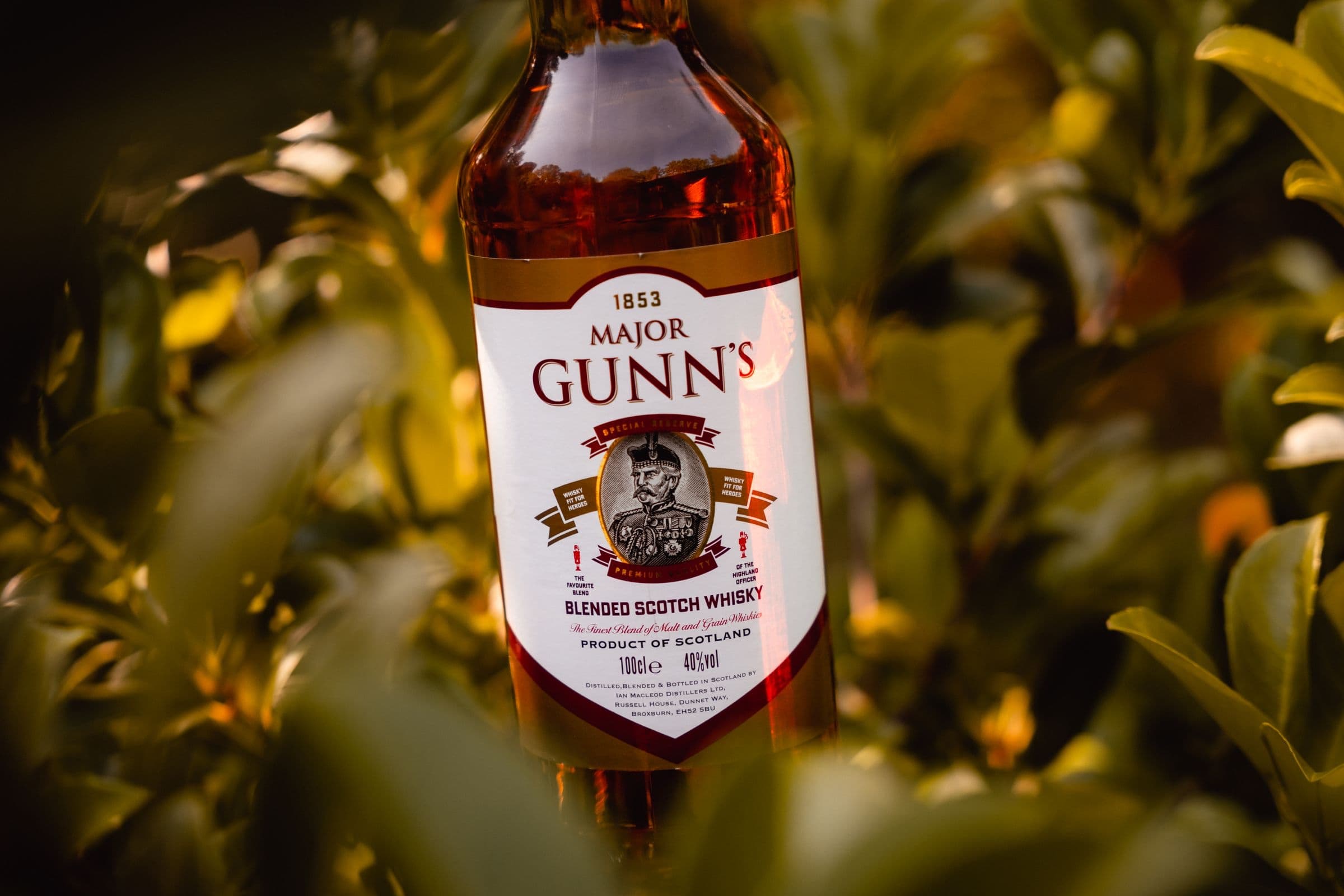
How to Read a Whisky Label
What each line on a Scotch label means, which ones the law requires, and which are optional extras.
Craft · 2 min read
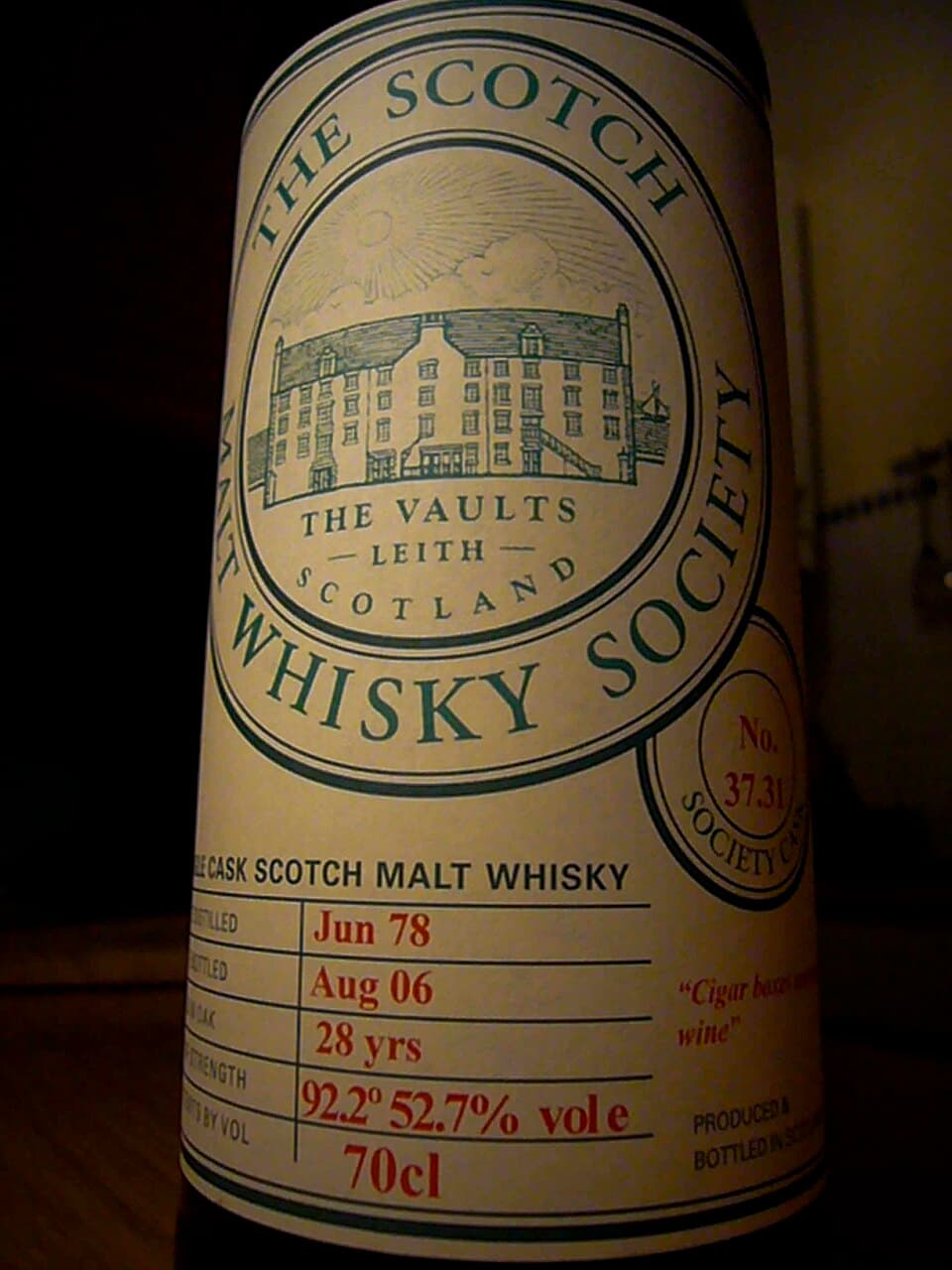
Understanding Age Statements
What the number on a Scotch label legally means, and what it means when there isn't one.
Craft · 2 min read
Cask Types and Their Influence
Ex-bourbon, sherry, port and virgin oak: what each kind of cask does to the spirit inside it.
Keep going in The Snug
Read it, then pour it.
The Snug in the Dramour app has every article read aloud, the Between Drams podcast and recipes from your shelf, and picks up where you left off. Ask Dramcierge for a bottle to taste what you've just read about.