The Snug
Articles
Tasting · 1 min read
Glassware: Shape Matters
Why a tulip-shaped glass shows you more than a heavy tumbler, and which one is worth buying.
Listen to this article
You can drink whisky out of anything, and for a whisky and soda on a summer evening a tumbler is fine. When you want to taste it properly, the shape of the glass makes a real difference, mostly because of what it does with the aroma.
The traditional choice in blending rooms is the copita, a small stemmed glass with a tulip-shaped bowl that narrows towards the rim. It came from the sherry trade, where it was used for nosing wine. The narrow top gathers the aroma and points it at your nose, and the stem keeps your hand from warming the whisky. Many blenders still use them.
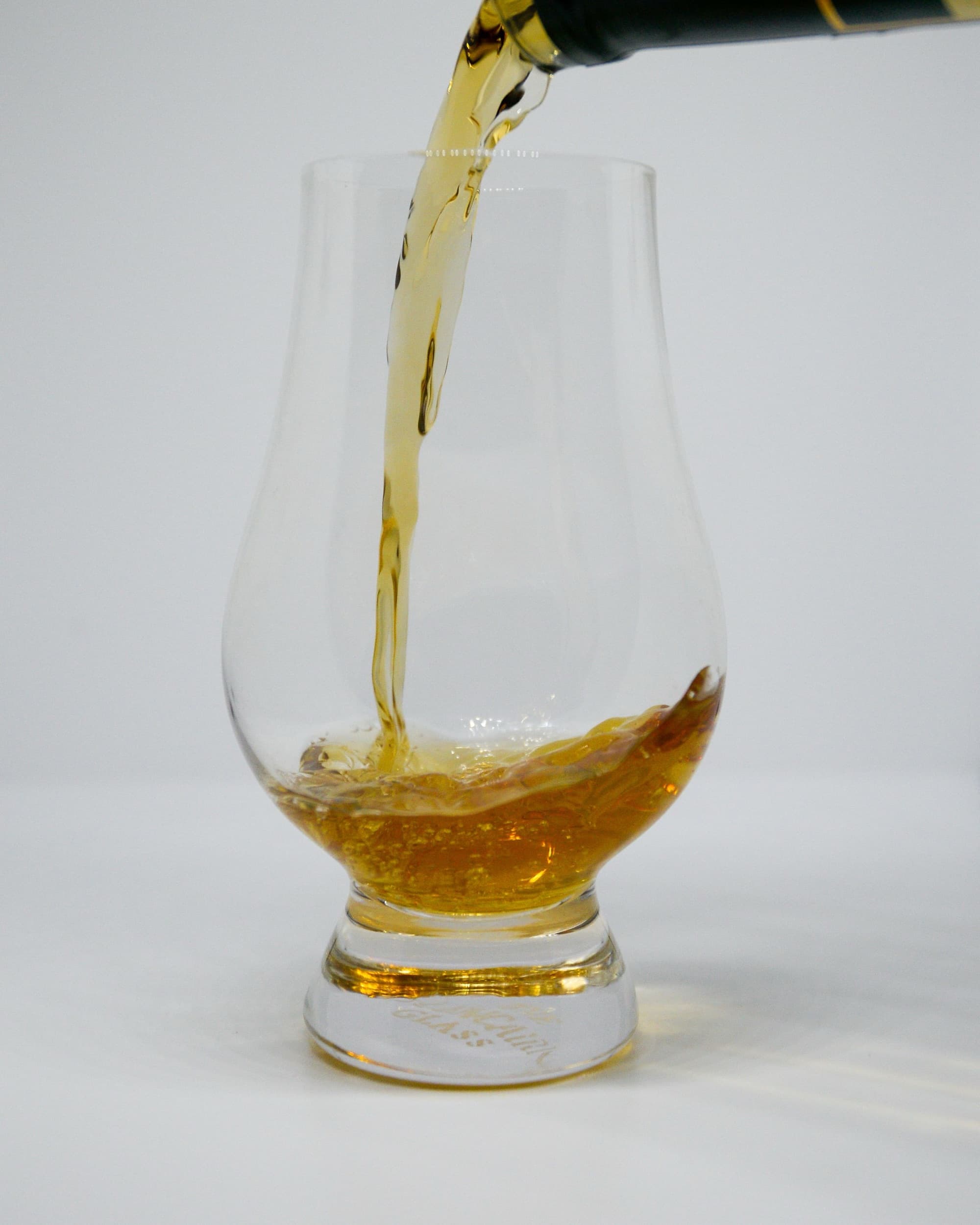
The Glencairn glass came along in 2001. Raymond Davidson of Glencairn Crystal designed it, with input from master blenders at five of the big whisky companies, and it won a Queen's Award for innovation in 2006. It's shorter and sturdier than a copita, with a solid base instead of a stem and a wide bowl that tapers to a narrower mouth. It's now the glass you're most likely to be handed at a distillery, and a pair costs around £15.
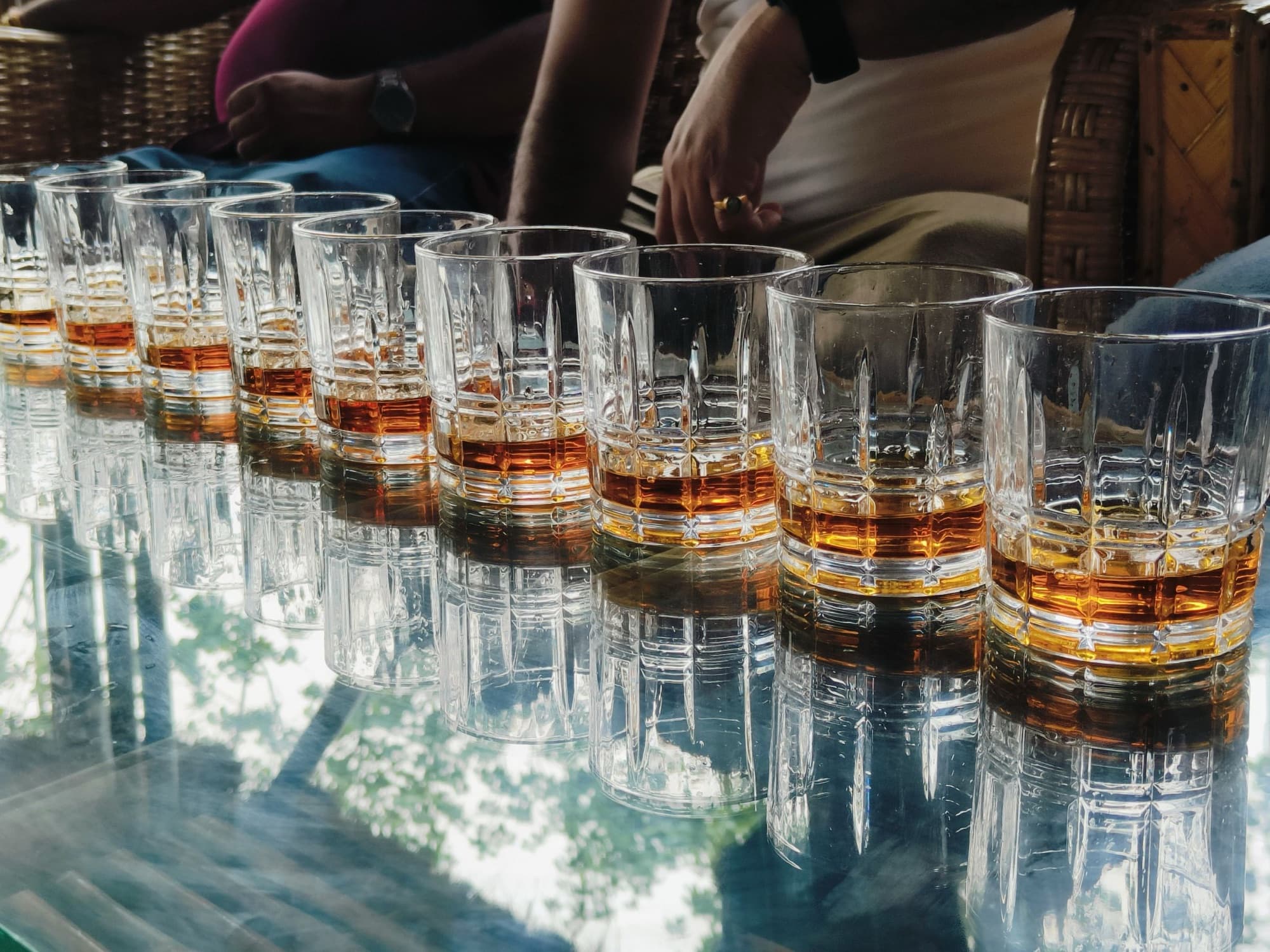
The heavy cut-crystal tumbler, or rocks glass, is lovely to hold and looks good on a sideboard, but its wide, straight sides let the aroma escape before it gets anywhere near you. It's the right glass for whisky over ice or an Old Fashioned. A tall highball glass is for whisky with soda or ginger ale, where you aren't nosing anything at all.
A quick test at home settles the argument. Pour the same whisky into a tumbler and a Glencairn, or a small white wine glass if that's what you have, and nose them one after the other. Something with plenty of fruit, like Glenmorangie 10 at around £40, shows the gap clearly, and most people notice it on the first sniff.
In The Snug
More to read
Tasting · 2 min read
How to Taste Whisky
A few simple habits that get more out of every glass, with no special kit beyond a little water.
Tasting · 2 min read
What Age Really Does to Whisky
Why older isn't automatically better, and how the cask and the climate decide when a whisky is at its best.
Tasting · 2 min read
Reading Between the Lines of a Whisky Label
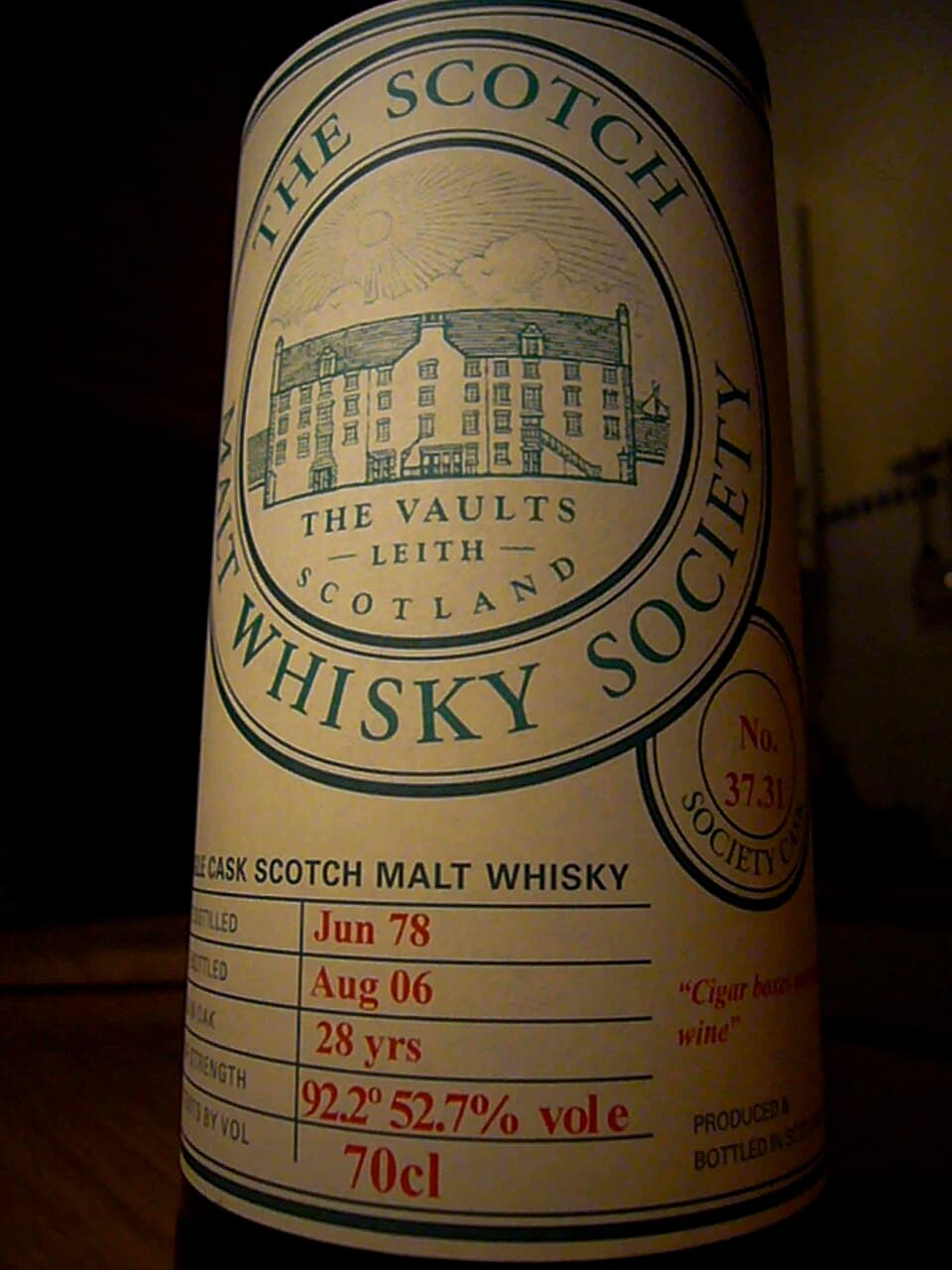
What a label leaves out, and the impressive words on it that have no legal meaning at all.
Keep going in The Snug
Read it, then pour it.
The Snug in the Dramour app has every article read aloud, the Between Drams podcast and recipes from your shelf, and picks up where you left off. Ask Dramcierge for a bottle to taste what you've just read about.