The Snug
Articles
Craft · 2 min read
Fermentation: Where Flavour Begins
Before the still or the cask, the washback is where much of a whisky's fruit first appears.
Listen to this article
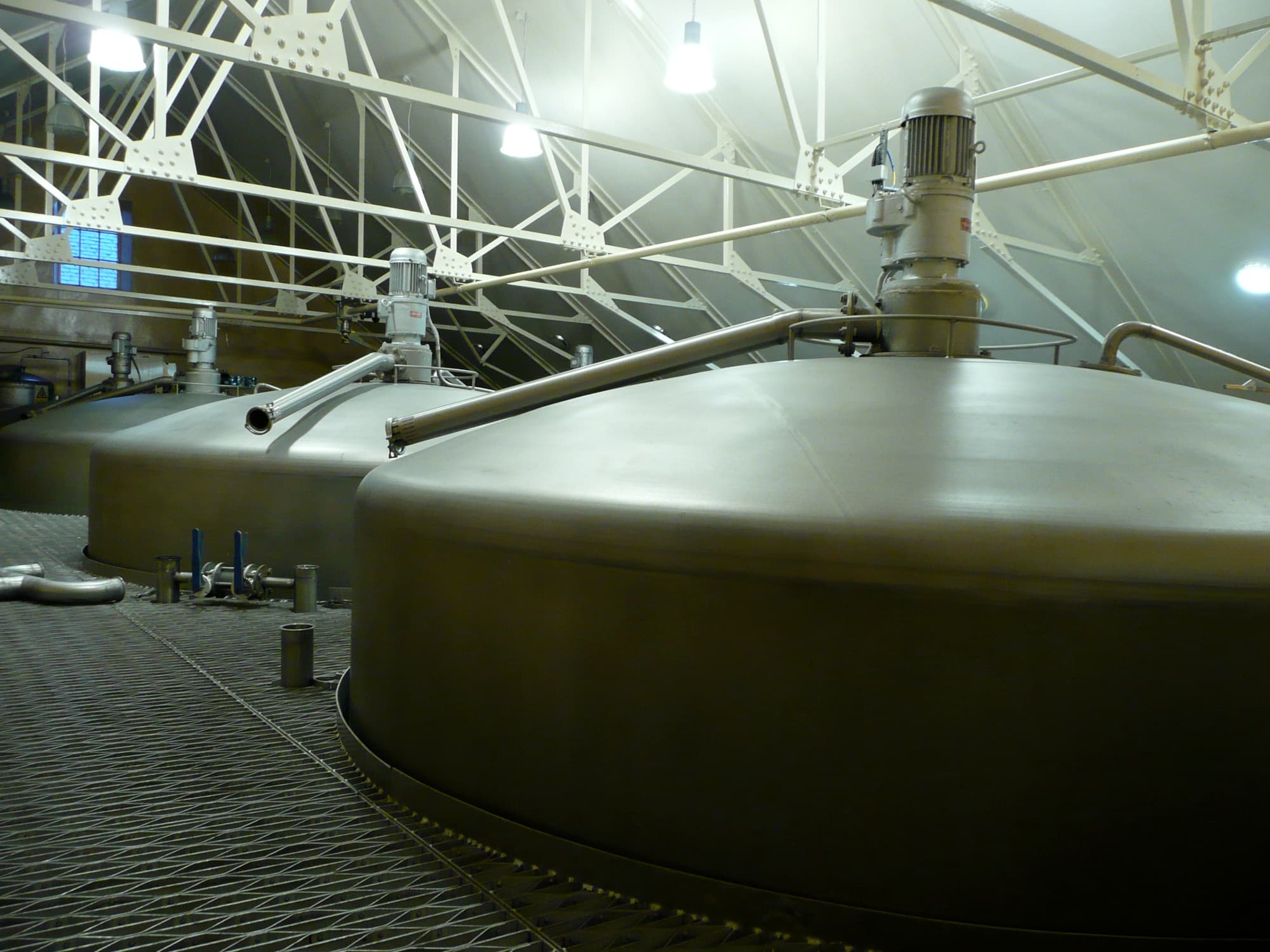
Fermentation gets less attention than stills or casks, but a lot of a spirit's character starts there. After mashing, the sugary liquid drained from the malt, called wort, is cooled and pumped into large vessels called washbacks. Yeast goes in, and over the next two to five days it turns the sugar into alcohol, carbon dioxide and a long list of flavour compounds. The result, the wash, is basically a strong beer without hops, at around 8 percent.
Washbacks are traditionally wooden, usually Oregon pine or larch, though many distilleries have switched to stainless steel because it's easier to clean. Wood harbours bacteria, and some distillers think that helps the flavour, while others say the material makes little difference as long as fermentation time stays the same. Springbank still uses larch, and Chichibu in Japan has washbacks made of mizunara oak.
The compounds that matter most are esters, which give fruit: pear, apple, banana, pineapple. The yeast makes them, and so do lactic acid bacteria that get going later, once the yeast is running out of steam. Those bacteria are the main reason fermentation length matters.
A short fermentation of around 48 hours tends to give a heavier, nuttier spirit that leans towards cereal. Give it 70 hours or more and the bacteria have time to work, which pushes the spirit towards lighter, fruitier notes. Springbank ferments for up to around 110 hours, and GlenAllachie has stretched some of its fermentations well past that. Shorter fermentations mean more spirit from the same equipment, so a long one is a choice that costs money.
Yeast plays a part too. Most Scotch distilleries now use a commercial distiller's yeast. For a long time many also added brewer's yeast from breweries, but that has largely died out. A few distilleries are now experimenting with different strains. Rum makers use wild and specialist yeasts more freely, which is part of why Jamaican rum can smell so fruity.
Fermentation is hard to taste in isolation, but distilleries that run long ones tend to say so on their websites and tours, so it's worth checking. If you get the chance on a visit, nose the wash in the washback. The fruit you smell there is often what turns up years later in the glass.
In The Snug
More to read
Craft · 2 min read
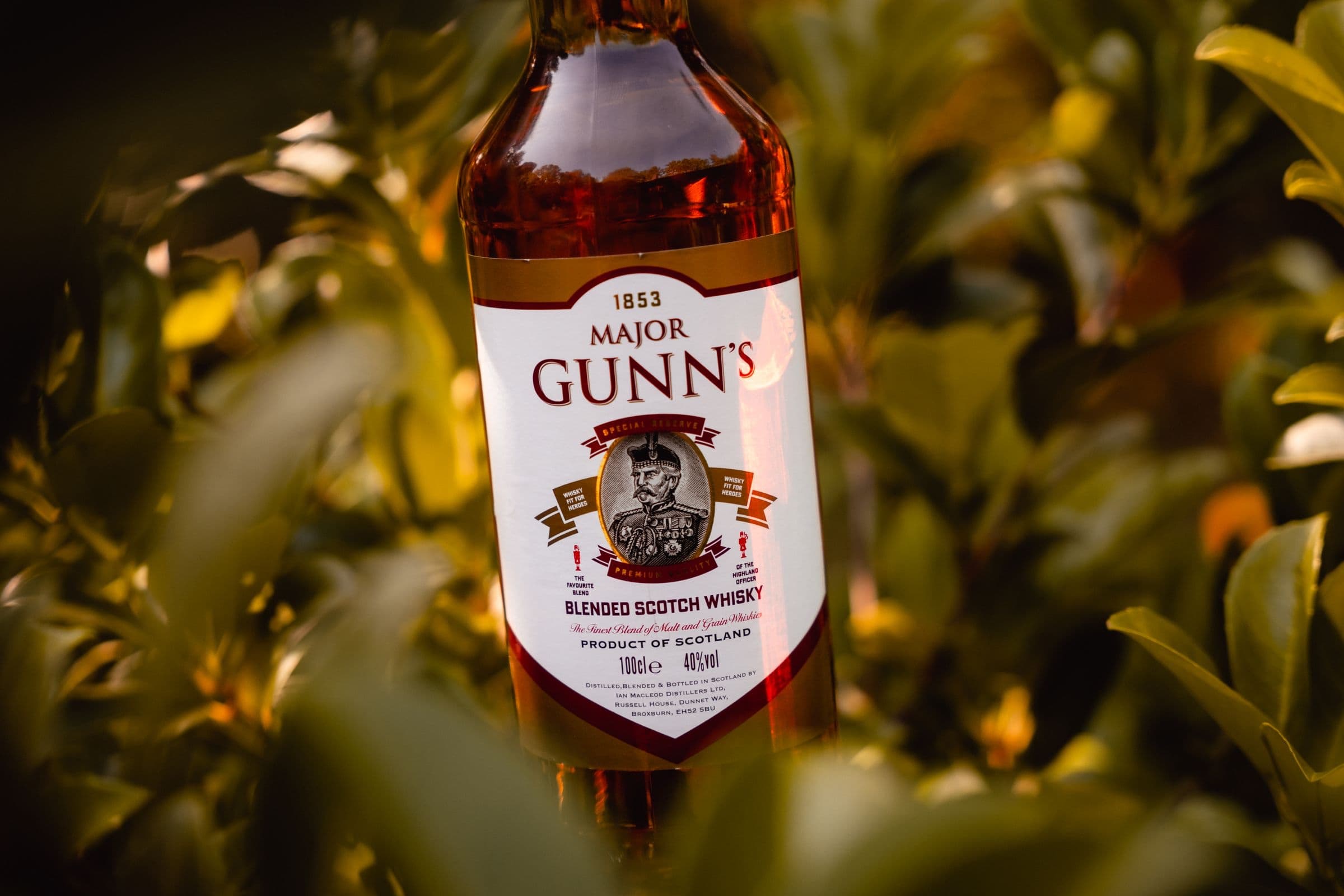
How to Read a Whisky Label
What each line on a Scotch label means, which ones the law requires, and which are optional extras.
Craft · 2 min read
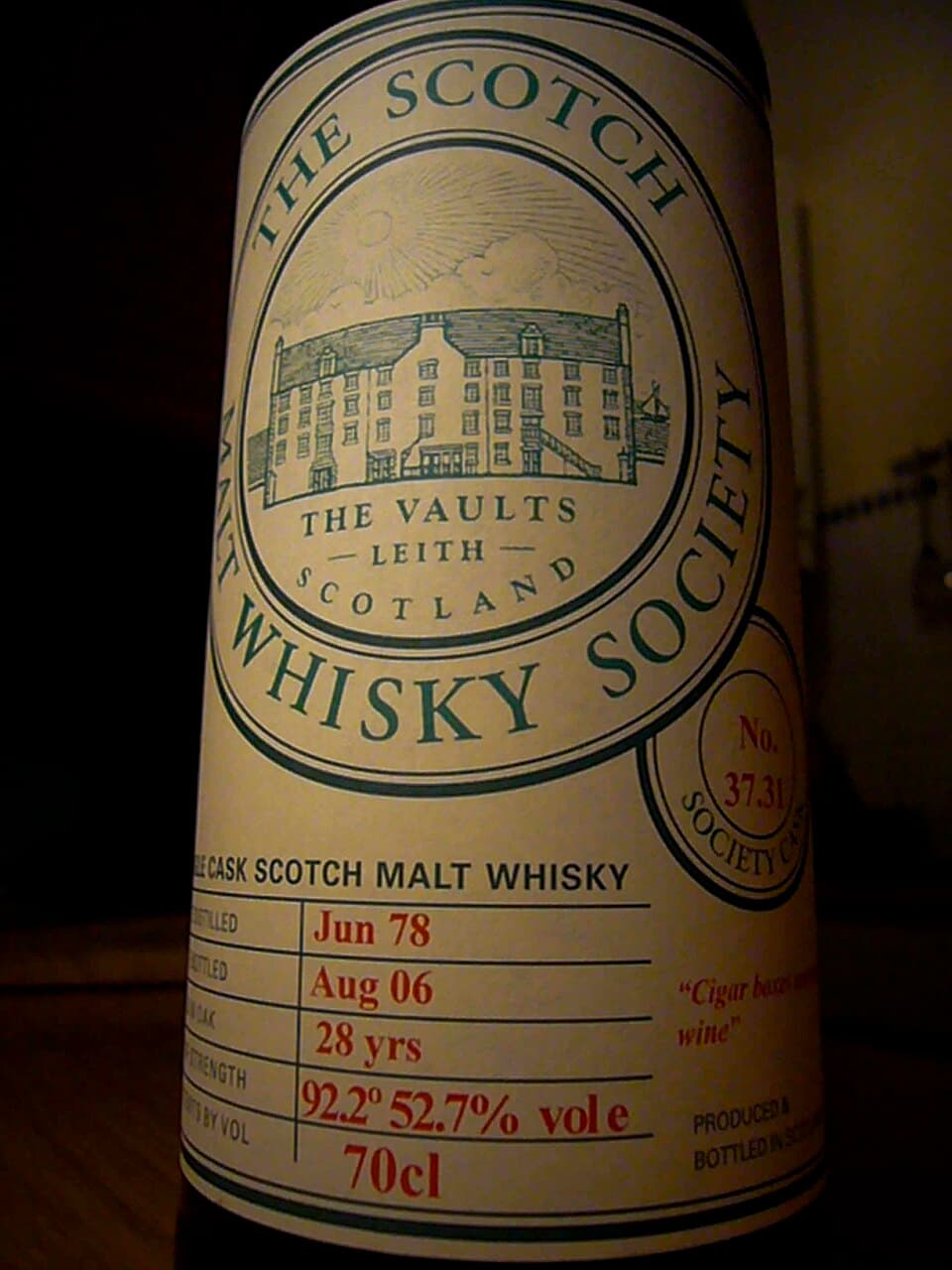
Understanding Age Statements
What the number on a Scotch label legally means, and what it means when there isn't one.
Craft · 2 min read
Cask Types and Their Influence
Ex-bourbon, sherry, port and virgin oak: what each kind of cask does to the spirit inside it.
Keep going in The Snug
Read it, then pour it.
The Snug in the Dramour app has every article read aloud, the Between Drams podcast and recipes from your shelf, and picks up where you left off. Ask Dramcierge for a bottle to taste what you've just read about.