
The Snug
Articles
Tasting · 2 min read
Building Your Flavour Map
Pick a few reference bottles, place everything else around them, and keep notes you'll actually use later.

Listen to this article
Flavour wheels, like the one from the Scotch Whisky Research Institute, are good for vocabulary, but they don't tell you what you like. More useful is a rough map in your head of where whiskies sit relative to each other. A well known version is the malt whisky flavour map Dave Broom drew up with Diageo: one axis runs from light to rich, the other from delicate to smoky, and every whisky gets a dot somewhere on the grid.
Start with three or four bottles you know well and treat them as fixed points. Glenlivet 12, around £35, sits light and delicate, all apples, pears and a bit of honey. Balvenie DoubleWood 12 is richer and sweeter, with sherry fruit on top. Ardbeg 10 sits far up the smoky end. Talisker 10 is somewhere in between, smoky but drier and peppery. Once you have those, every new dram has somewhere to go: smokier than Talisker, less than Ardbeg, and so on.
Then use the map to choose. If you love the dried fruit of Glenfarclas but find Ardbeg too much, stay in the rich, delicate corner and look at GlenDronach, Aberlour A'bunadh or Mortlach. If you want to try smoke gently, a lightly peated Highland malt like Ardmore Legacy (around £30) or a sherried peated dram like Bunnahabhain Toiteach a Dhà is a softer step than jumping straight to Laphroaig.
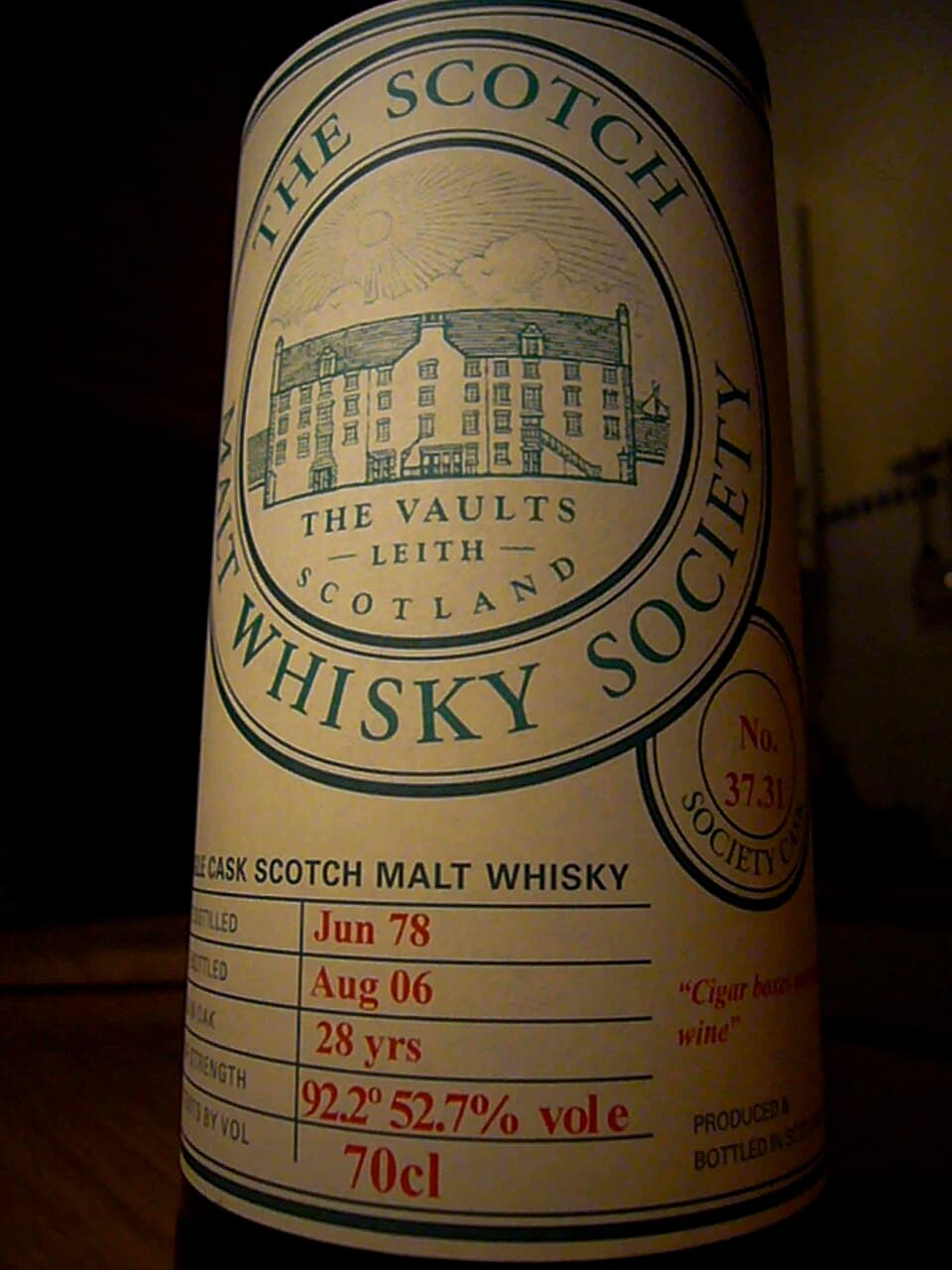
Notes help more than memory, and they don't need fancy words. "Christmas cake, toffee, bitter orange, finish fades quickly" is useful to read back in a year. "Complex and warming" tells you nothing. Score each bottle, even roughly, and note the cask if the label gives it. After twenty or thirty entries, patterns turn up that you'd never spot one dram at a time.
Dramour does some of that sorting for you. Your ratings feed the Your palate card on your profile, weighted towards the bottles you scored highest, and that profile drives your recommendations. Check it now and then. If your favourites keep coming from first-fill sherry casks, or from one region, that's a strong hint where to look next.
A good exercise for a quiet evening: pour three whiskies you think are similar, taste them blind, and place each on the grid before you check which is which.
In The Snug
More to read

Tasting · 2 min read
How to Taste Whisky
A few simple habits that get more out of every glass, with no special kit beyond a little water.
Tasting · 2 min read
What Age Really Does to Whisky
Why older isn't automatically better, and how the cask and the climate decide when a whisky is at its best.
Tasting · 2 min read
Reading Between the Lines of a Whisky Label
What a label leaves out, and the impressive words on it that have no legal meaning at all.
Keep going in The Snug
Read it, then pour it.
The Snug in the Dramour app has every article read aloud, the Between Drams podcast and recipes from your shelf, and picks up where you left off. Ask Dramcierge for a bottle to taste what you've just read about.