The Snug
Articles
Region · 2 min read
Scotland's Six Regions
Five official whisky regions, one unofficial one, and what each tends to taste like.
Listen to this article
The law recognises five whisky regions in Scotland: Highland, Lowland, Speyside, Islay and Campbeltown. Most books and shops add a sixth, the Islands, which legally count as Highland but get grouped together because their whiskies have a fair bit in common. A region tells you where a whisky was made, and it's a decent first guess at flavour. Plenty of bottles ignore the stereotype, so treat it as a starting point.
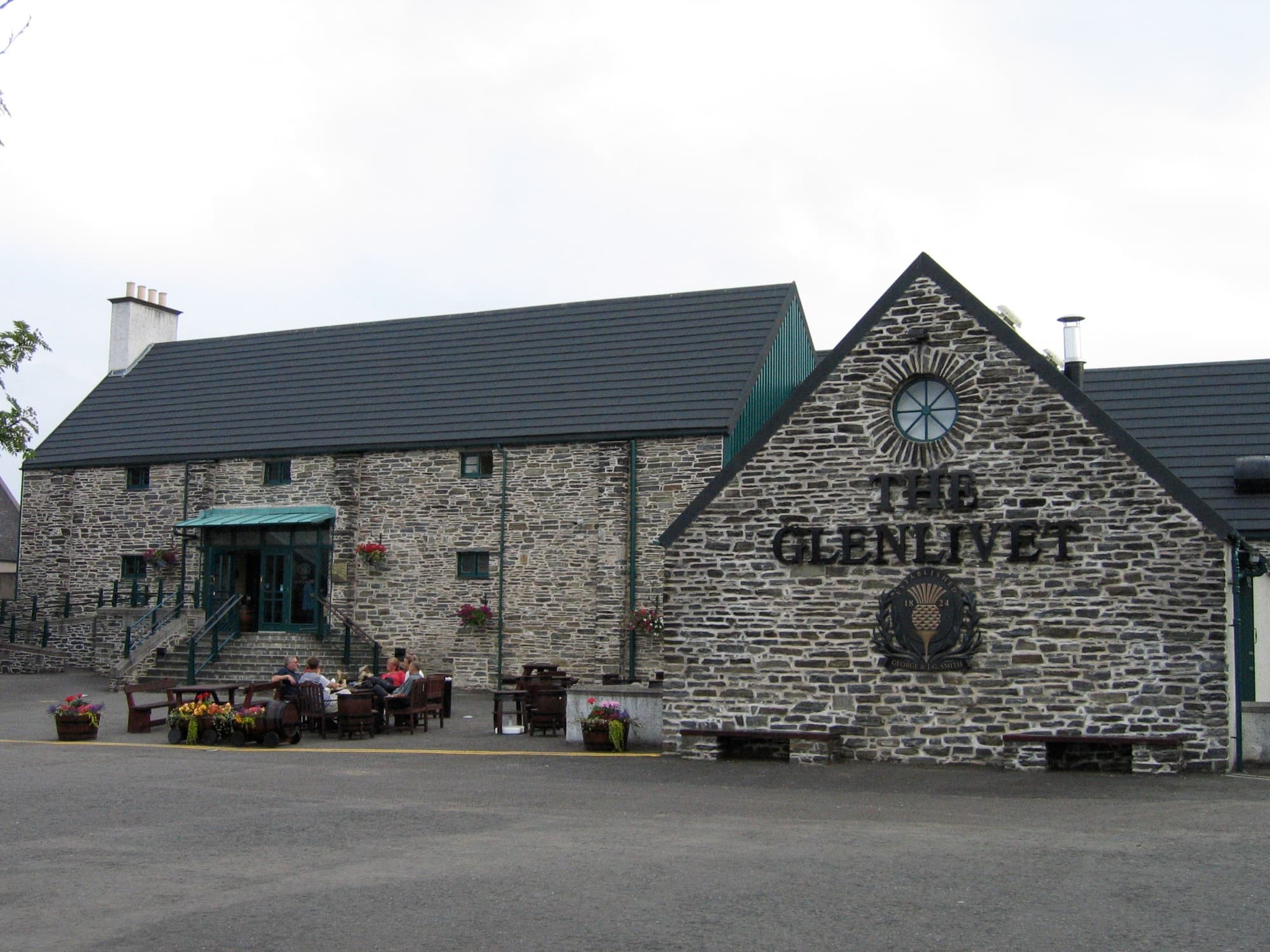
Speyside is the busiest whisky region anywhere, with roughly half of Scotland's malt distilleries packed around the River Spey in the north east. Glenfiddich, The Glenlivet and The Macallan are all here. The house style leans fruity and sweet, often with sherry casks involved, and peat is rare.
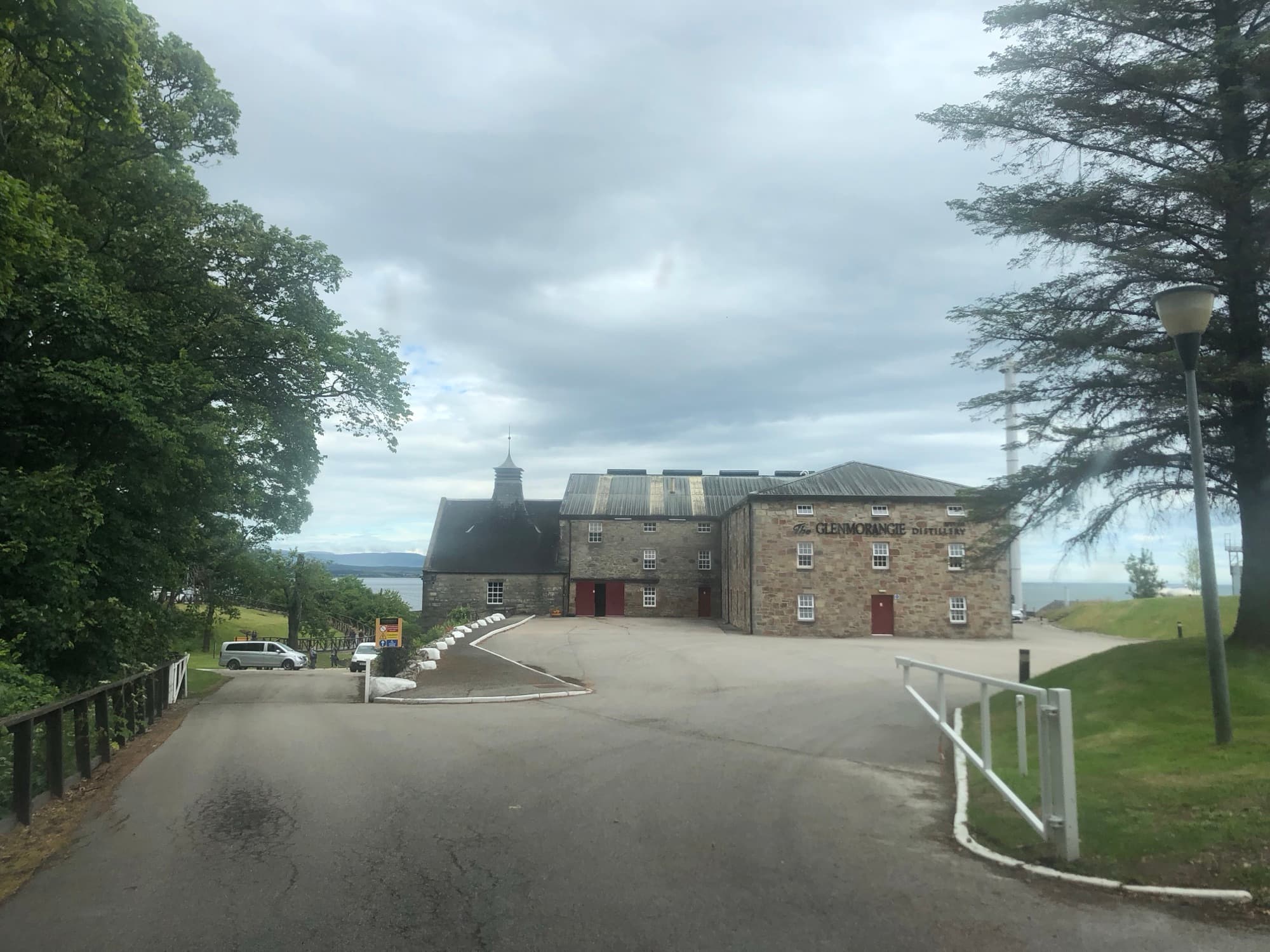
The Highlands are the largest region by area, which makes them the hardest to sum up. Glenmorangie in the far north is light and citrusy. Dalmore is rich and sherried. Oban, on the west coast, has a little salt and smoke. If someone tells you what Highland whisky tastes like, ask which part of the Highlands they mean.
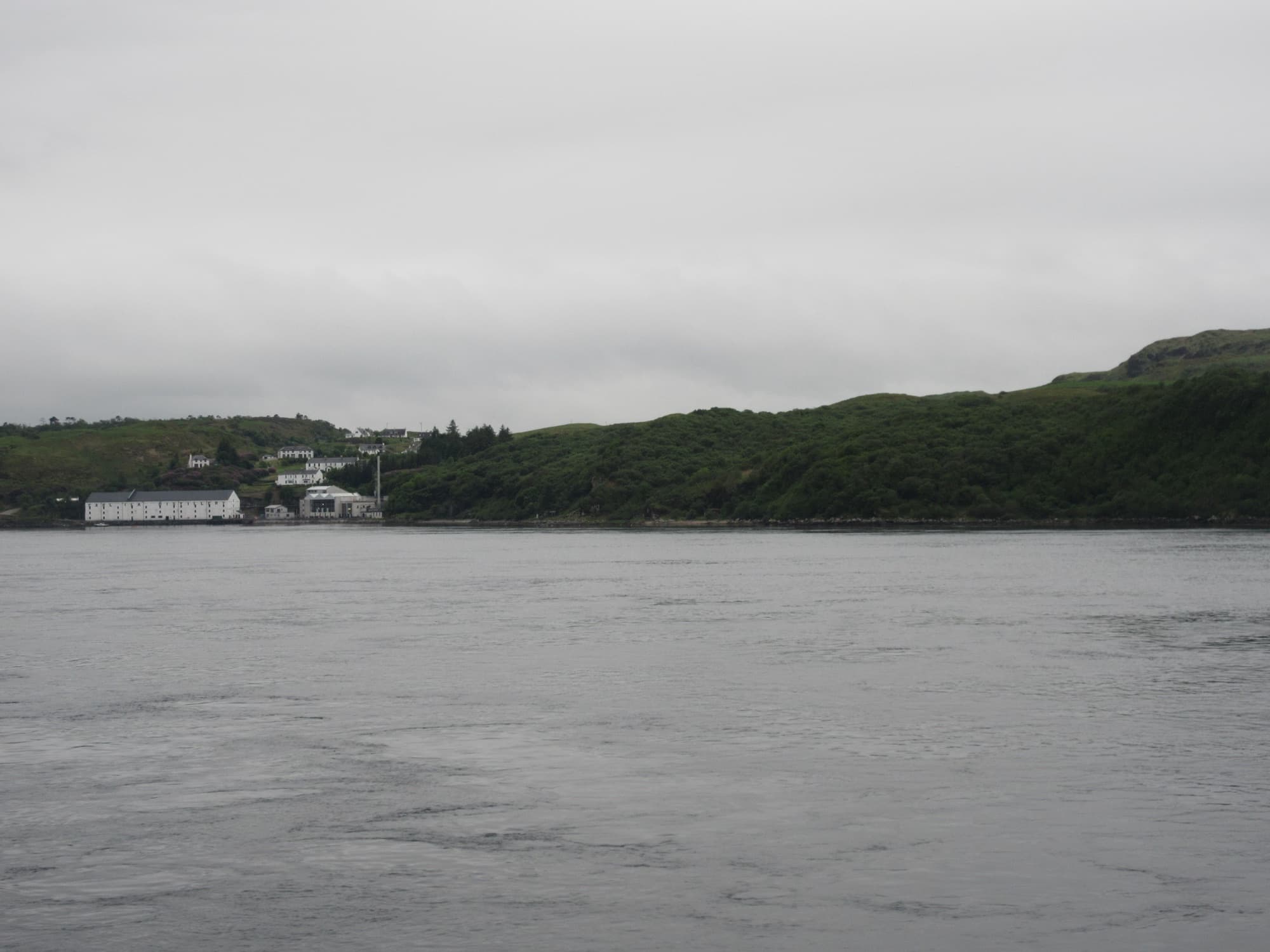
Islay is a single island off the west coast and the home of heavy peat smoke, with Laphroaig, Lagavulin and Ardbeg lined up along its south shore. The Islands, from Arran up to Orkney, sit somewhere between Islay and the mainland. Talisker on Skye is peppery and smoky, Highland Park on Orkney has a softer, heathery smoke, and Arran makes mostly unpeated malt.
The Lowlands cover the south, below a line drawn roughly from Greenock to Dundee. The whiskies tend to be light and grassy, and the region is growing again after losing most of its distilleries in the 20th century. Campbeltown, near the foot of the Kintyre peninsula, once had more than thirty distilleries and now has three: Springbank, Glen Scotia and Glengyle, which bottles its whisky as Kilkerran. Expect something a little oily and salty, often with a wisp of smoke.
The quickest way to learn the map is to taste across it. Glenlivet 12 (around £35), Talisker 10 (about £40), Laphroaig 10 (around £40) and Glen Scotia Double Cask (roughly £40) cover four very different corners of Scotland without costing much. Pour small measures side by side and the Laphroaig and the Glenlivet in particular will show you the two extremes of Scotch.
In The Snug
More to read
Region · 2 min read
Islay: The Peat Island
A small island off Scotland's west coast with eleven distilleries and much of the country's smokiest whisky.
Region · 1 min read
Speyside: The Heart of Scotch
The most crowded whisky region in the world, and the fruity style most people taste first.
Region · 2 min read
Japanese Whisky: A Short History
How a wine merchant and a Scottish-trained chemist started an industry the rest of the world took decades to notice.
Keep going in The Snug
Read it, then pour it.
The Snug in the Dramour app has every article read aloud, the Between Drams podcast and recipes from your shelf, and picks up where you left off. Ask Dramcierge for a bottle to taste what you've just read about.