The Snug
Articles
Region · 2 min read
Japanese Whisky: A Short History
How a wine merchant and a Scottish-trained chemist started an industry the rest of the world took decades to notice.
Listen to this article
Japanese whisky starts with two men. Shinjiro Torii ran a successful wine business in Osaka and wanted to make whisky at home. Masataka Taketsuru was a young chemist who went to Scotland in 1918, studied in Glasgow and worked at Longmorn in Speyside and Hazelburn in Campbeltown. He came home with detailed notebooks and a Scottish wife, Rita. Torii hired him, and in 1923 they started building Yamazaki, near Kyoto, Japan's first malt whisky distillery.
The partnership didn't last. Taketsuru wanted somewhere cooler and damper that felt more like Scotland, and in 1934 he set up on his own at Yoichi, on the coast of Hokkaido. His company became Nikka and Torii's became Suntory. They've been rivals ever since, and between them they still make most of the Japanese whisky in UK shops.
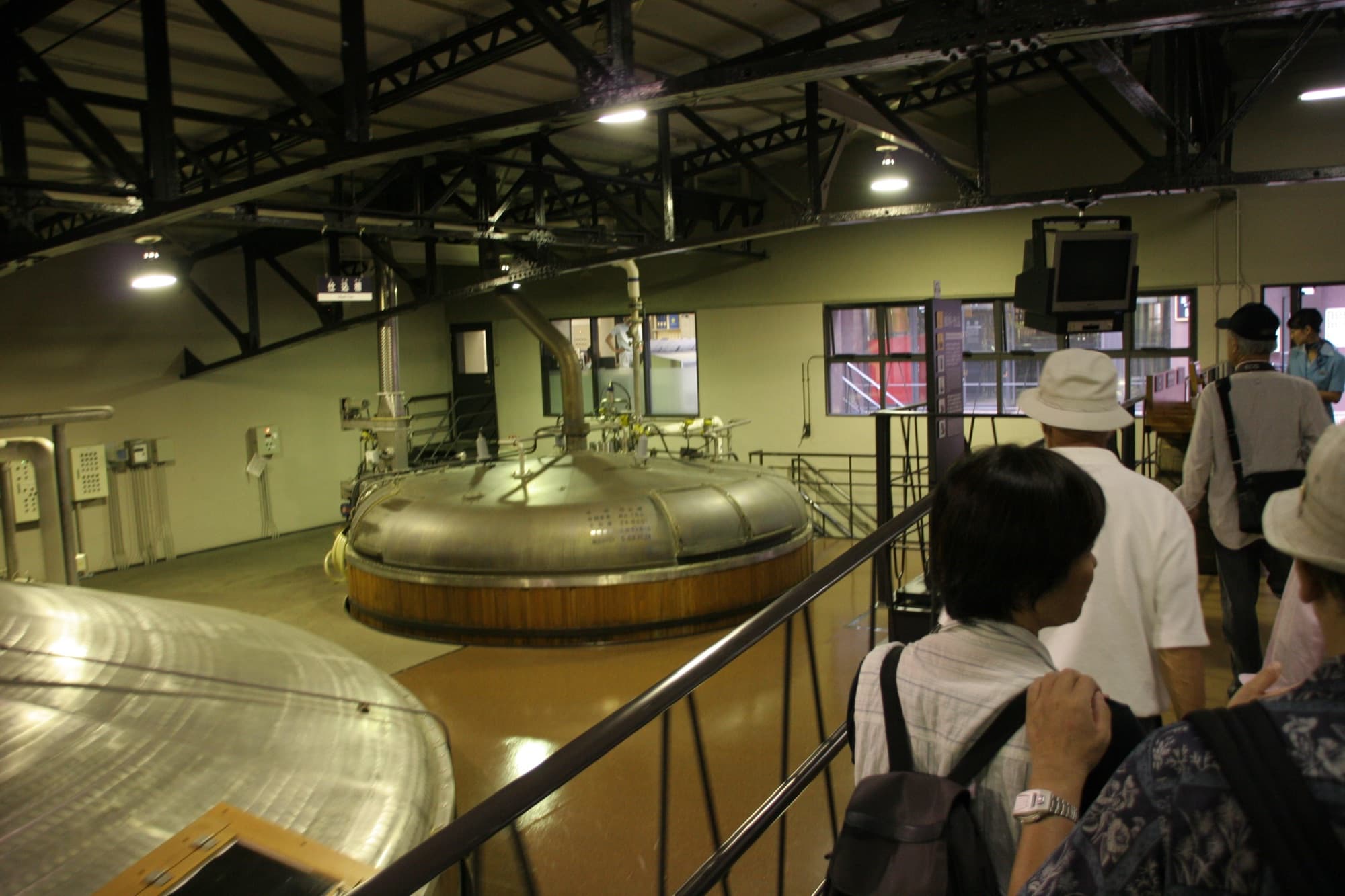
Each company has two main malt distilleries, and they're deliberately different. Suntory's Yamazaki makes a rich, fruity style, while Hakushu, opened in 1973 in forest at the foot of the Southern Alps, is greener and lighter, often lightly peated. Nikka's Yoichi still heats its stills with coal and makes a heavier, smoky malt. Miyagikyo, near Sendai, opened in 1969 and is softer and fruitier. Japanese firms rarely swap whisky with each other, so contrasting distilleries give their blenders more to work with.
For decades few people outside Japan paid attention. Then the awards arrived. Yoichi 10 took the top prize at Whisky Magazine's Best of the Best in 2001, Yoichi 20 was named the world's best single malt at the World Whiskies Awards in 2008, and Hibiki 21 has won best blend there several times. The real jolt came when Jim Murray named Yamazaki Sherry Cask 2013 his world whisky of the year.
The trouble was stock. Sales had slumped through the 1980s and 90s, distilleries had cut production, and the boom needed exactly the whisky that was never made. Nikka dropped the age statements from its Yoichi and Miyagikyo single malts in 2015, and Suntory pulled Hibiki 17 and Hakushu 12 in 2018. Prices for what was left went up and stayed there.
If you're starting out, Nikka From the Barrel (around £40 for 50cl) is the best value way in, and Hibiki Japanese Harmony, around £70, shows off Suntory's blending. Yamazaki 12 now costs well over £100, so try a measure in a bar before buying the bottle.
In The Snug
More to read
Region · 2 min read
Scotland's Six Regions
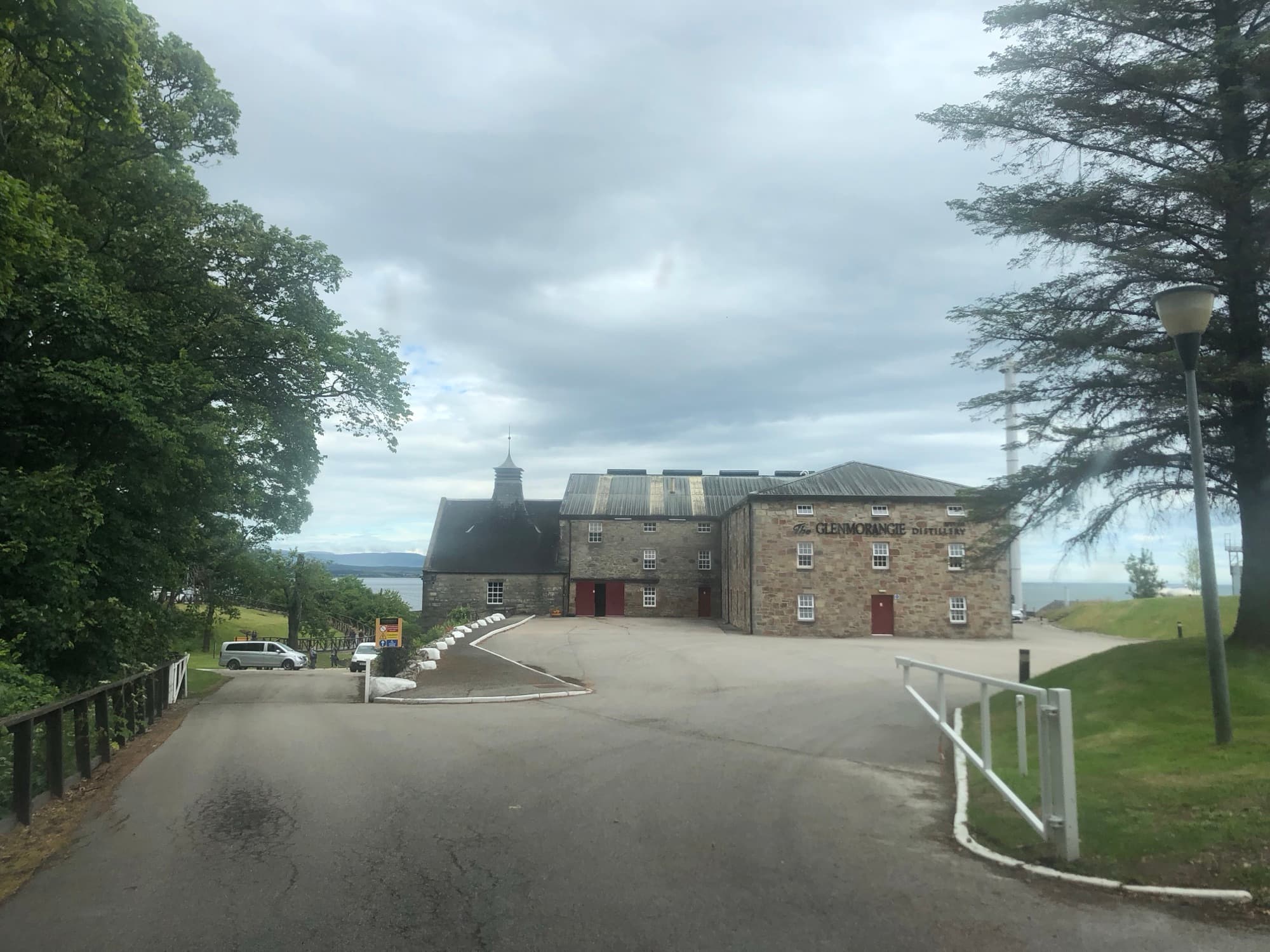
Five official whisky regions, one unofficial one, and what each tends to taste like.
Region · 2 min read
Islay: The Peat Island
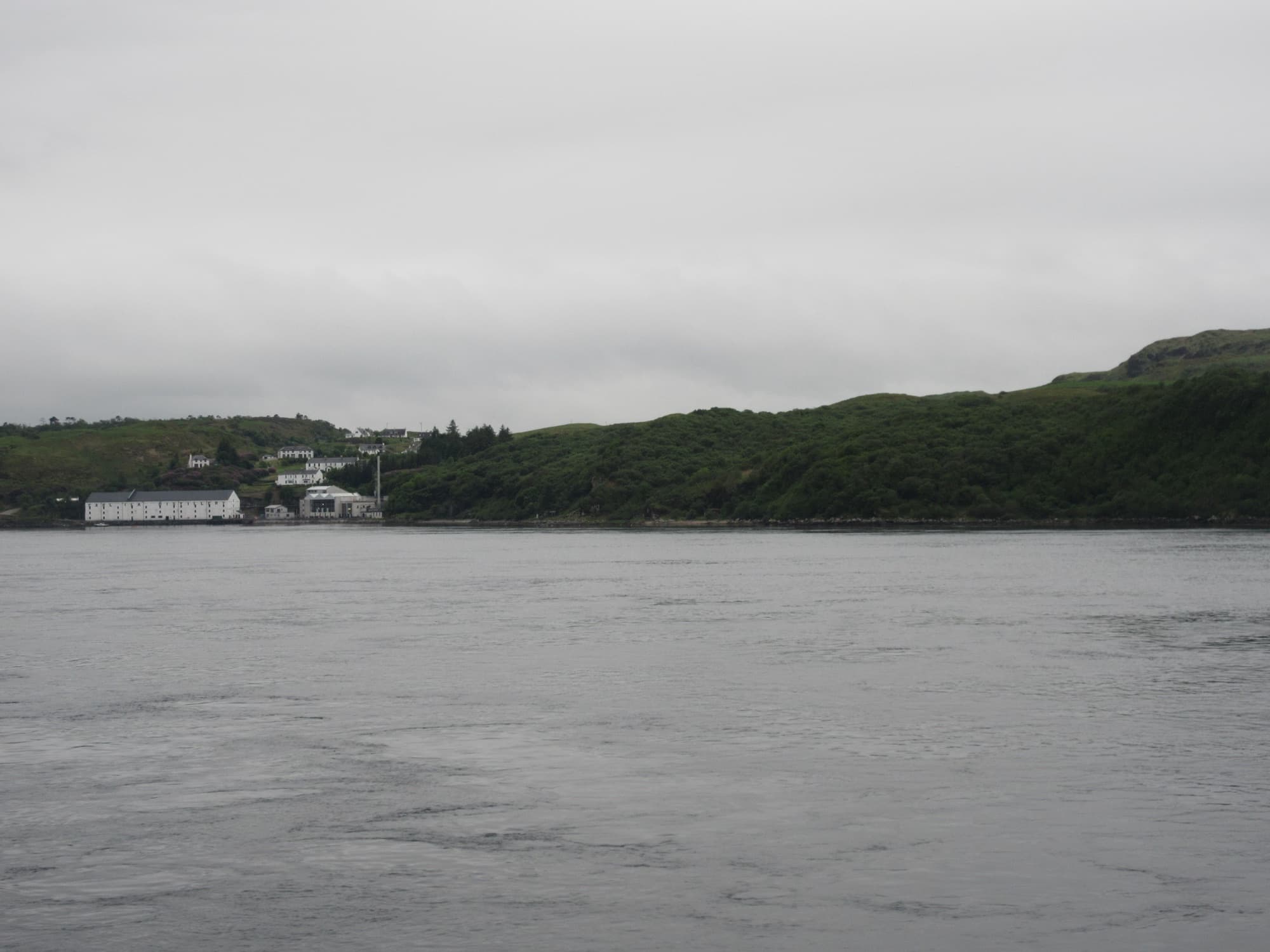
A small island off Scotland's west coast with eleven distilleries and much of the country's smokiest whisky.
Region · 1 min read
Speyside: The Heart of Scotch
The most crowded whisky region in the world, and the fruity style most people taste first.
Keep going in The Snug
Read it, then pour it.
The Snug in the Dramour app has every article read aloud, the Between Drams podcast and recipes from your shelf, and picks up where you left off. Ask Dramcierge for a bottle to taste what you've just read about.