The Snug
Articles
Region · 2 min read
Japanese Whisky: The Rules, the Oak and the New Distilleries
What the 2021 labelling standard means, why mizunara oak matters and where Chichibu fits in.
Listen to this article
For years, Japanese whisky on a label could mean almost anything. Japan's tax law let whisky be bulked out with other spirits, and some bottles were mostly Scotch or Canadian whisky shipped over in bulk, then blended and bottled in Japan. Nothing illegal about it, but people paying Japanese prices often had no idea.
In 2021 the Japan Spirits and Liqueurs Makers Association brought in a labelling standard, with a three-year grace period. To be called Japanese whisky now, it must use malted grain and water drawn in Japan. Mashing, fermentation and distillation must happen at a Japanese distillery, and the spirit must age in Japan for at least three years in wooden casks of no more than 700 litres, then be bottled in Japan at 40 percent or more. Since 2025 there's also an official logo for bottles that comply.
Two details are worth knowing. The grain itself can be imported, and most of it is. And the standard is a voluntary industry rule rather than law. Blends containing imported whisky are still sold, but they shouldn't call themselves Japanese whisky, and most now use vaguer wording.
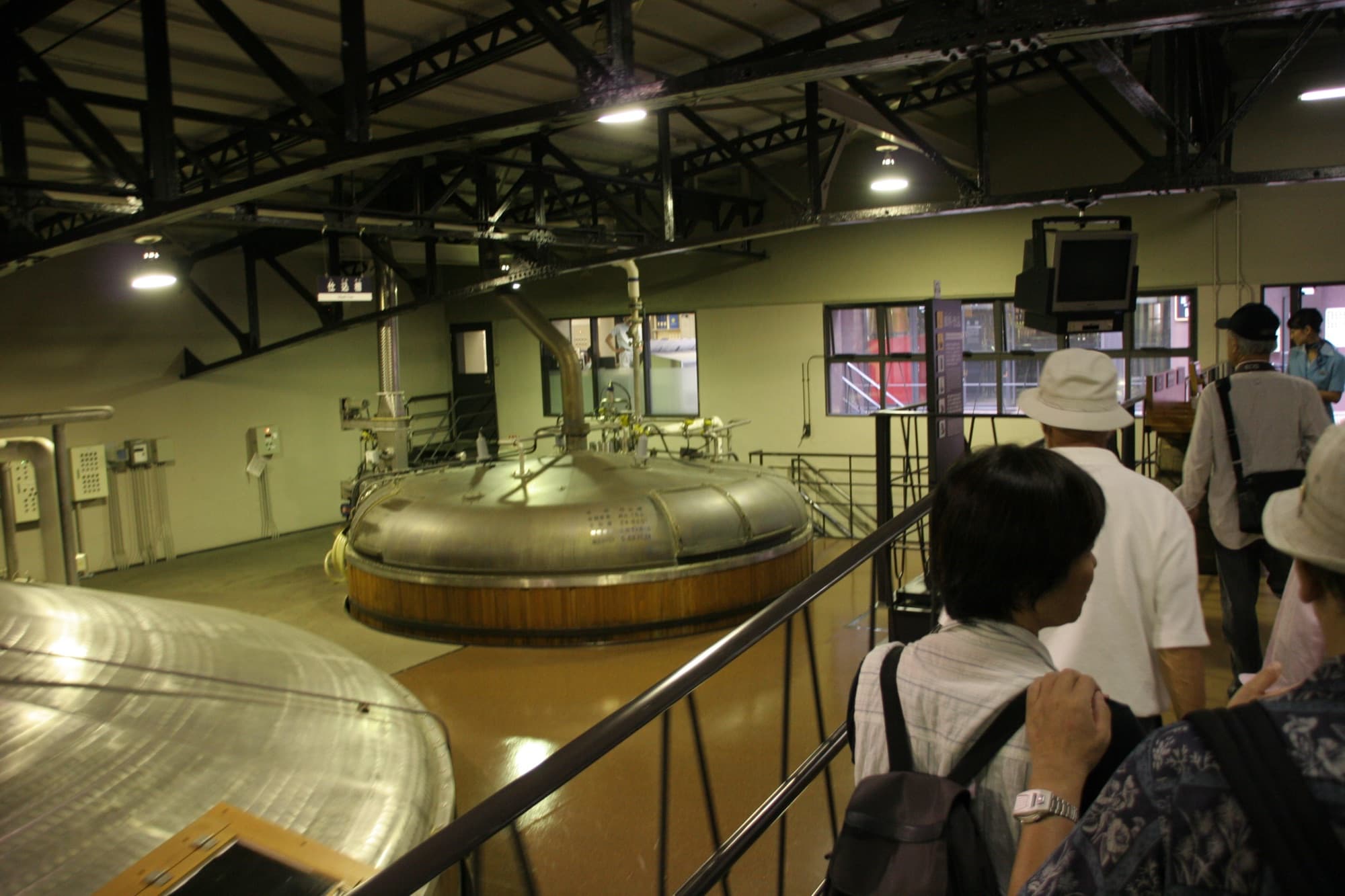
Production has its own habits. Scottish blenders swap casks with each other constantly, while Japanese distillers rarely do, so the big firms make a range of styles under one roof. Yamazaki runs stills of several shapes and sizes, and Nikka's Miyagikyo has Coffey column stills alongside its pot stills, which is where Nikka Coffey Grain comes from. A blend like Hibiki is built almost entirely from one company's own stock.
Mizunara, Japanese oak, came into use in the 1940s when imported casks were hard to get. It's awkward to work with and casks made from it leak easily. It also takes a long time to give much, but after 15 years or so it brings a perfumed note people describe as sandalwood or incense. Suntory still uses it in Yamazaki and Hibiki, and Scottish distilleries now do mizunara finishes too.
The newer distilleries were built with the rules in mind. Chichibu, opened by Ichiro Akuto in 2008, became the model: small and hands-on, with washbacks made of mizunara, and its releases sell out fast. Akkeshi in Hokkaido and Shizuoka both started distilling in 2016. When buying, check the back label for a named distillery. A cheap bottle that calls itself Japanese but names no distillery deserves suspicion.
In The Snug
More to read
Region · 2 min read
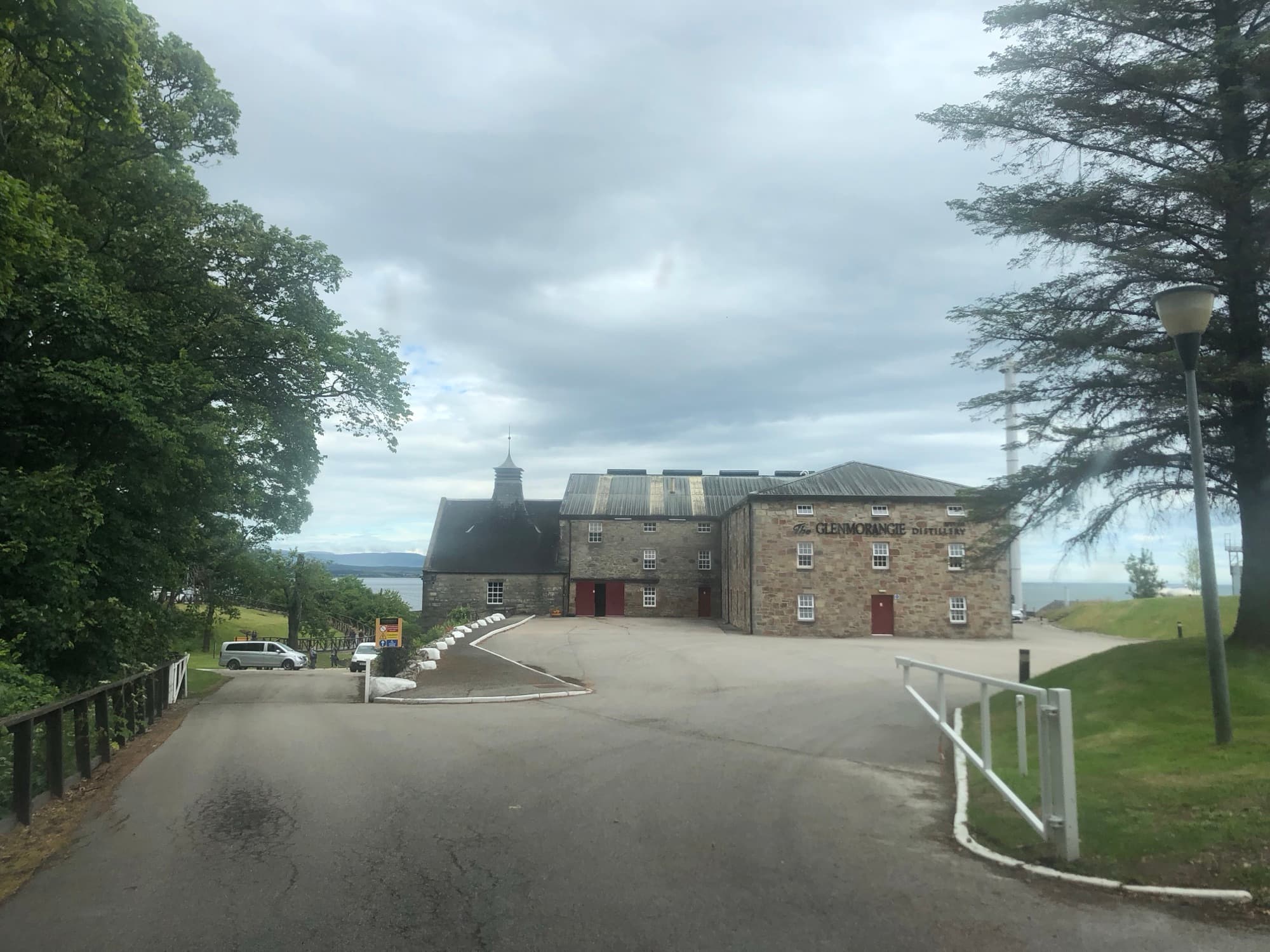
Scotland's Six Regions
Five official whisky regions, one unofficial one, and what each tends to taste like.
Region · 2 min read
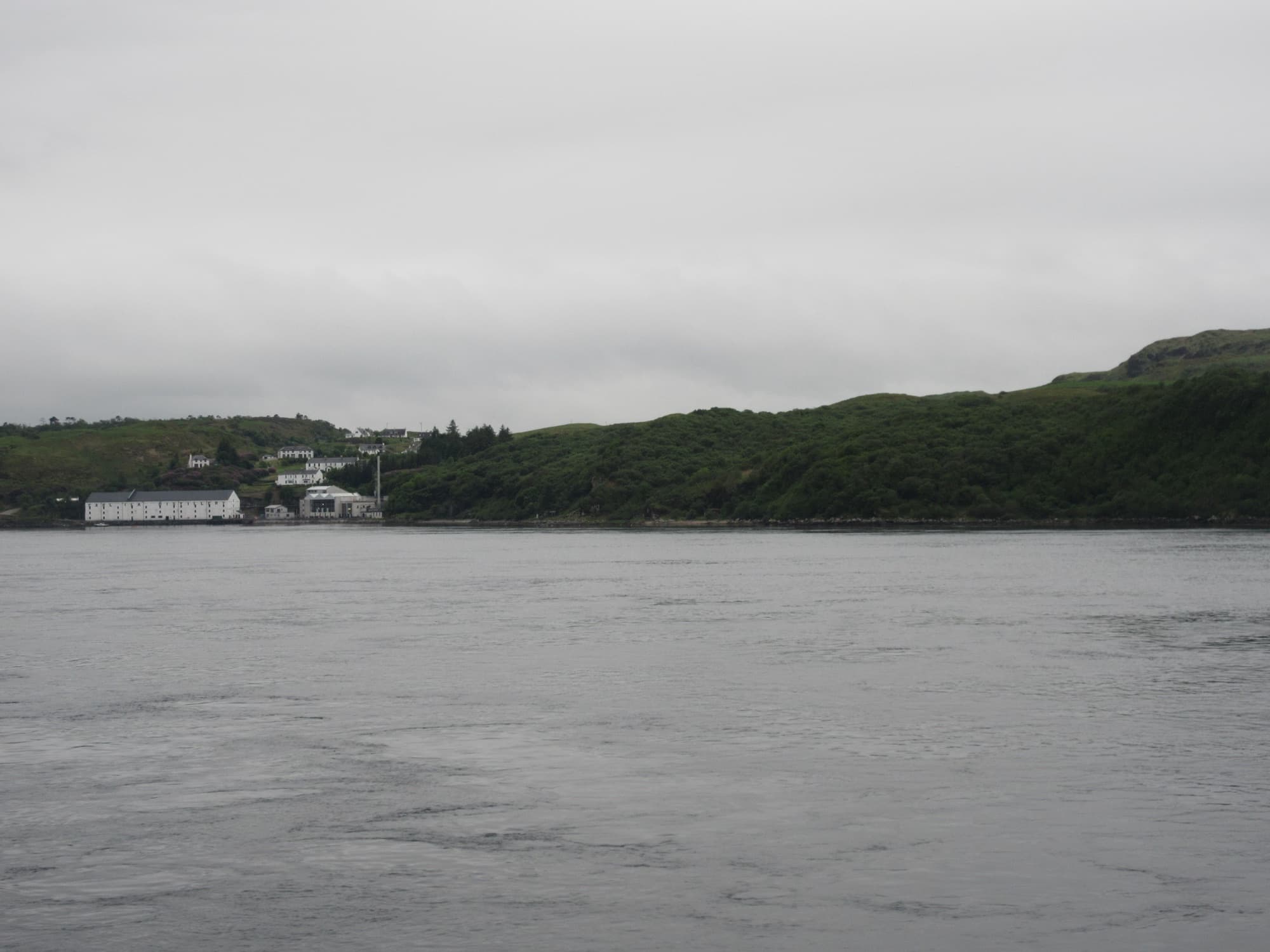
Islay: The Peat Island
A small island off Scotland's west coast with eleven distilleries and much of the country's smokiest whisky.
Region · 1 min read
Speyside: The Heart of Scotch
The most crowded whisky region in the world, and the fruity style most people taste first.
Keep going in The Snug
Read it, then pour it.
The Snug in the Dramour app has every article read aloud, the Between Drams podcast and recipes from your shelf, and picks up where you left off. Ask Dramcierge for a bottle to taste what you've just read about.